Coming soon
Coming soon
Selecteer type
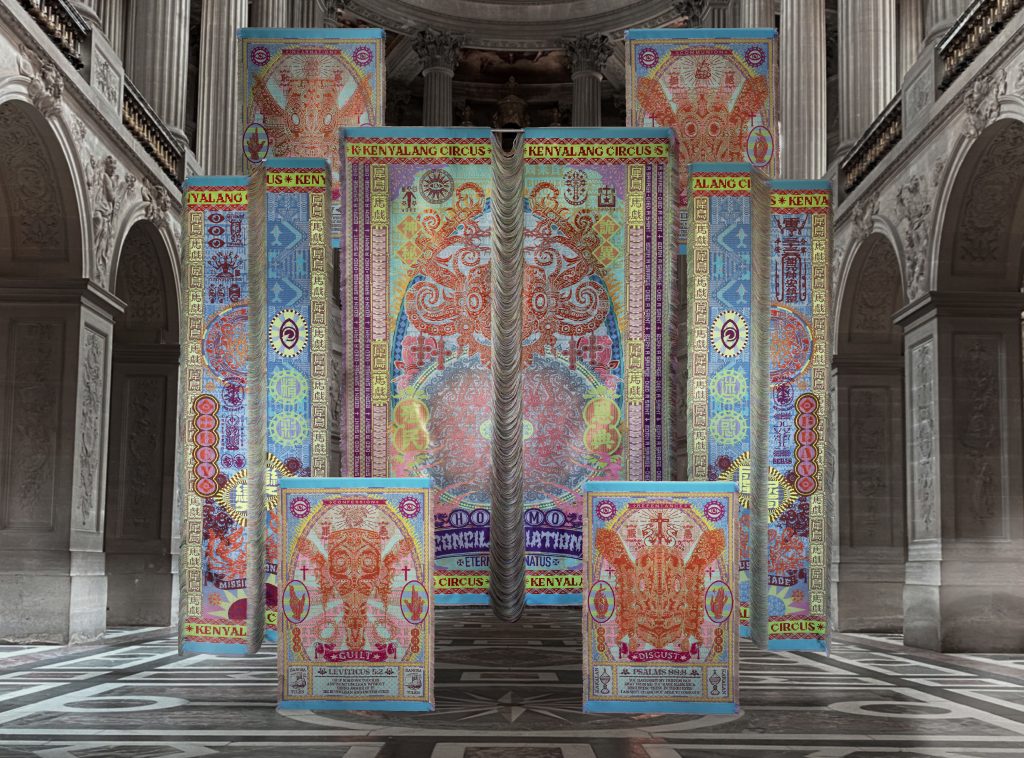
Moed, verhalen en een diepe verbondenheid met erfgoed vormen de kern van het werk van Marcos Kueh (1995), een Maleisische kunstenaar die deels in Nederland woont. Met een achtergrond in grafisch ontwerp en reclame, en een persoonlijke ontdekkingsreis in ambacht, slaan zijn geweven billboards een brug tussen eeuwenoude tradities en hedendaagse verhalen. In 2024 ontving Marcos een beurs van het Mondriaan Fonds, wat hem de vrijheid gaf om zijn praktijk verder te ontwikkelen. Binnenkort is zijn installatie te zien op de Prospects-sectie van Art Rotterdam, waar hij de complexiteit van zijn werk verkent in relatie tot dekolonisatie, persoonlijke groei en de verfijning van ambacht.
Wat is de rode draad in je werk?
“Mijn werk draait om storytelling,” begint Marcos. “Opgroeien in postkoloniaal Maleisië heeft mijn kijk op de wereld gevormd. Dekolonisatie als onderwerp voelt soms erg eurocentrisch, omdat veel academische theorieën zijn ontwikkeld binnen Europese instellingen. Toch werd de dekolonisatiebeweging zelf aangestuurd door de kracht en veerkracht van de gekoloniseerde landen. Hun stemmen zijn onmisbaar om de volledige complexiteit ervan te begrijpen.
Als iemand uit een voormalig gekoloniseerd land merk ik dat wij op een heel andere manier over dekolonisatie spreken. Welke taal gebruiken we om ons verleden met onszelf en met anderen te delen? Die vragen vormen de kern van mijn praktijk.”
Voor Marcos is textiel een brug tussen het verleden en het heden. “Lang voor pen en papier vertelden onze voorouders uit Borneo hun verhalen via textiel. Als hedendaags wever zie ik mijn werk als een voortzetting van die traditie. Ik vraag me af welke verhalen ik wil achterlaten voor mijn generatie en die na mij.”
Hoe ben je bij textiel terechtgekomen?
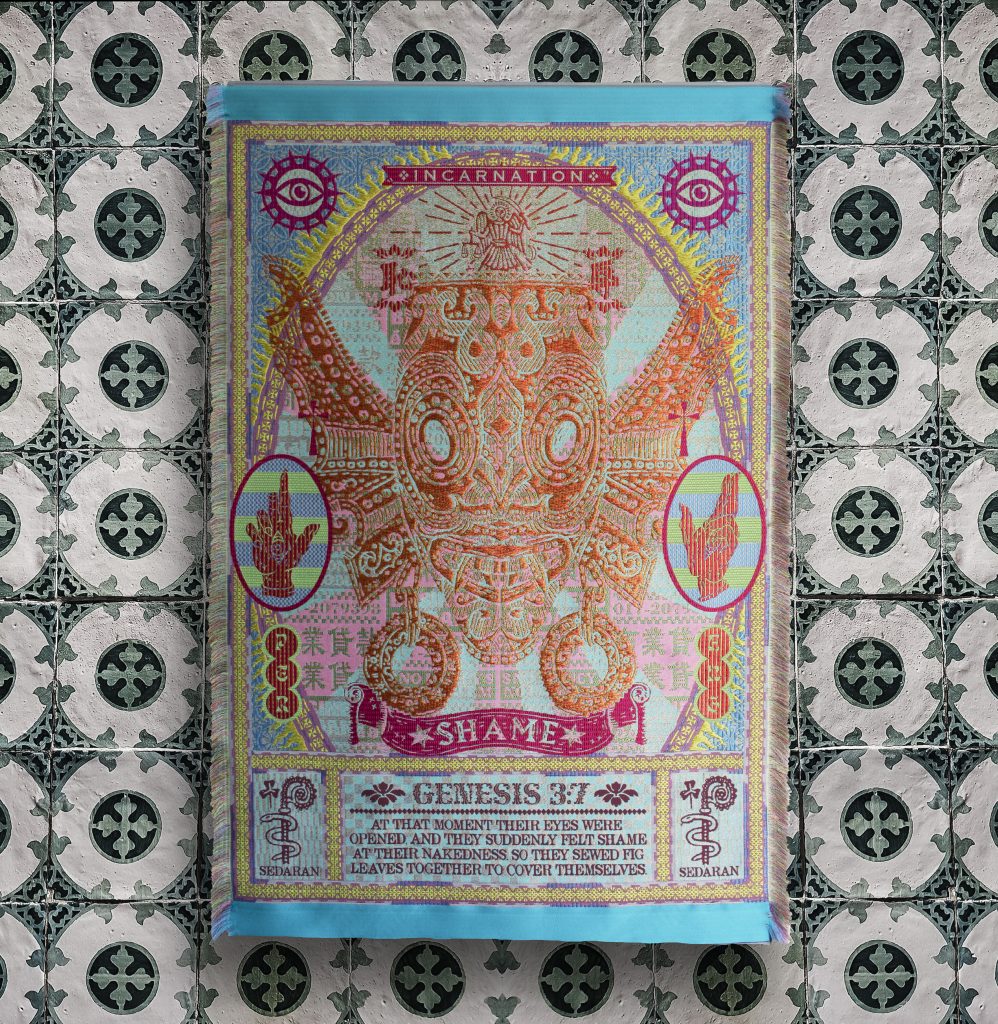
“Ik heb een achtergrond in grafisch ontwerp en reclame, maar ik ben altijd gefascineerd geweest door de lokale beeldcultuur. Vooral textiel heeft een enorme kracht om verhalen te vertellen. In het begin benaderde ik textiel puur academisch en verdiepte ik me in de geschiedenis en culturele betekenis ervan. Toch vroeg ik me af of de samenleving – en vooral mijn familie – me ooit als textielkunstenaar zou accepteren. In Borneo wordt textiel vaak geassocieerd met een lagere sociale klasse, en kiezen voor een carrière hierin voelde als een risico.”
De echte ommekeer kwam in Nederland, waar Marcos van theorie naar praktijk overstapte. Tijdens zijn studie aan de Koninklijke Academie van Beeldende Kunsten in Den Haag ontdekte hij de textielwerkplaats en bezocht hij het TextielMuseum. “Pas toen besefte ik de complexiteit van het ambacht. Werken met een weefgetouw vereist berekeningen, de juiste spanning, patroonontwikkeling en kennis van chemische verfstoffen. Dat veranderde mijn blik: de mensen in de dorpen zijn allesbehalve primitief; hun systemen zijn juist ongelooflijk verfijnd. Dat inzicht veranderde niet alleen hoe ik naar ambacht keek, maar ook hoe ik mezelf zag. Ik hoefde me niet langer te verontschuldigen voor waar ik vandaan kom.”
Hoe beïnvloedt dekolonisatie jouw werk?
“Toen ik op school voor het eerst over dekolonisatie sprak, barste ik vaak in tranen uit,” geeft Marcos toe. “Het is een academisch onderwerp, maar voor degenen die in dat systeem hebben geleefd, is het iets heel persoonlijks. Die emotionele lading beïnvloedt niet alleen hoe ik over dekolonisatie praat, maar ook hoe ik mijn werk presenteer. Mijn werk is gelaagd en biedt ruimte voor uiteenlopende interpretaties. Sommigen zien alleen de schoonheid van de stoffen en patronen, anderen duiken dieper in de verhalen erachter.”
Voor Marcos is gastvrijheid een andere manier om dekolonisatie te benaderen. “Gastvrijheid is een ambacht op zich. Hoe je mensen ontvangt en verwelkomt, is een vaardigheid. In mijn werk denk ik na over wie ik uitnodig in het gesprek en welke taal ik gebruik om hen erbij te betrekken. Verschillende culturen kijken anders naar verhalen en erfgoed, en ik wil dat mijn werk die openheid en toegankelijkheid weerspiegelt.”
Hoe combineer je traditionele ambacht met hedendaagse concepten?
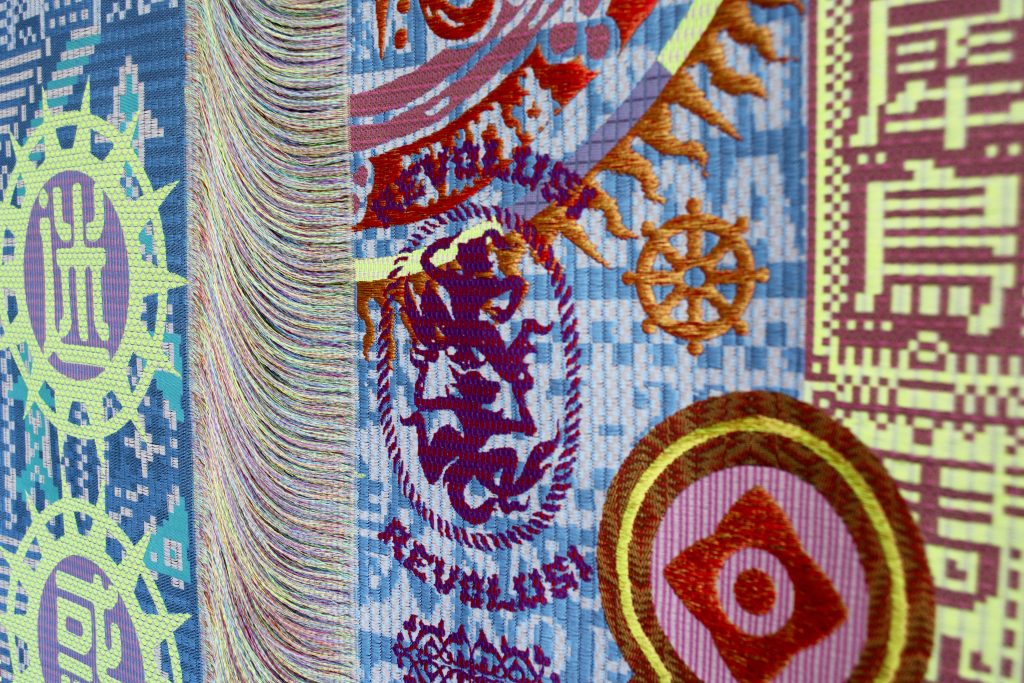
Marcos ziet sterke parallellen tussen inheemse tradities en moderne systemen zoals het kapitalisme. “In traditionele culturen is er een juiste tijd voor alles: verhalen over de oogst, het leven, de dood. Net zoals reclamecampagnes werken: je kiest het juiste moment om een verhaal te vertellen en de impact ervan te maximaliseren. In mijn werk onderzoek ik hoe deze werelden elkaar kruisen.”
Deze dualiteit komt tot uiting in zijn installaties, waarin textielwerken – zijn geweven billboards – vaak aan het plafond hangen. “Het voelt als een wandeling door het regenwoud,” legt Marcos uit. “Maar in plaats van bladeren en bomen word je omringd door geweven advertenties. Het is een speelse herinterpretatie: wat als Borneo, en niet New York, het culturele middelpunt van de wereld was?”
Waarom hangt je werk vaak boven ooghoogte?
“Daar had ik eigenlijk nooit eerder over nagedacht,” geeft Marcos toe. “In veel musea worden kunstwerken uit gekoloniseerde culturen op ooghoogte of lager gepresenteerd, alsof ze enkel curiositeiten zijn en geen culturele schatten. Misschien is mijn beslissing om mijn werk op te hangen wel een onbewuste reactie op dat perspectief.”
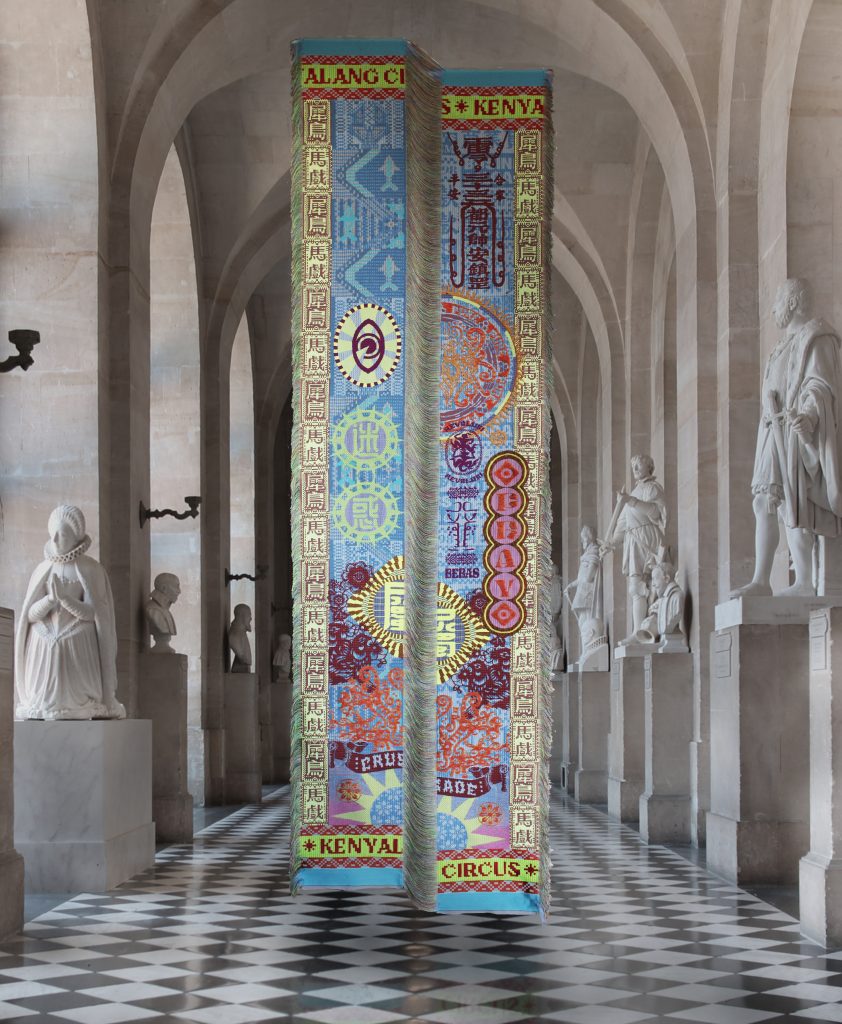
Veel van zijn installaties eindigen met een grote geweven poster die als een waterval valt, geïnspireerd door de verhalen van Borneo. “Daarin wordt verteld dat onze voorouders via watervallen afdalen naar de aarde om de levenden te bezoeken,” vertelt Marcos. “Door het werk op deze manier te presenteren, nodig ik mensen uit om letterlijk en figuurlijk op te kijken naar hun erfgoed.
Hoe heeft de beurs van het Mondriaan Fonds jou en je werk beïnvloed?
“De beurs gaf me moed,” zegt Marcos. “In postkoloniale landen leren we voorzichtig te zijn met middelen, kansen, eigenlijk met alles. Deze beurs voelde als een bevestiging om vrij te creëren. Het is ook emotioneel. Kunst draait niet alleen om middelen, maar ook om emotionele veerkracht. Wanneer iemand in je gelooft, motiveert dat je om het beste uit jezelf te halen, niet alleen voor jezelf, maar ook voor de samenleving.”
Wat ga je tonen op Art Rotterdam?
“Op Art Rotterdam’s Prospects presenteer ik een installatie die oorspronkelijk werd gemaakt voor Manifesta 15, waar het te zien was in een 17e-eeuwse kerk in Barcelona,” legt Marcos uit. “Opgroeien in een postkoloniaal land deed me afvragen of mijn interesse in het christendom voortkwam uit geloof, of uit de wens om dichter aan te leunen bij Westerse idealen. De installatie is een diep persoonlijke reflectie op die worsteling. Het werk is in tweeën gesplitst en symboliseert de voortdurende innerlijke strijd met identiteit als postkoloniale persoon: het verscheurd zijn tussen acceptatie en afwijzing, het gevoel van nooit compleet te zijn. Geplaatst tegenover de historische religieuze schilderijen van de kerk, fungeerde het werk ook als een bekentenis: ‘Met het geloof dat ons werd opgelegd, worstelen we nog steeds.’”
Geschreven door Emily Van Driessen
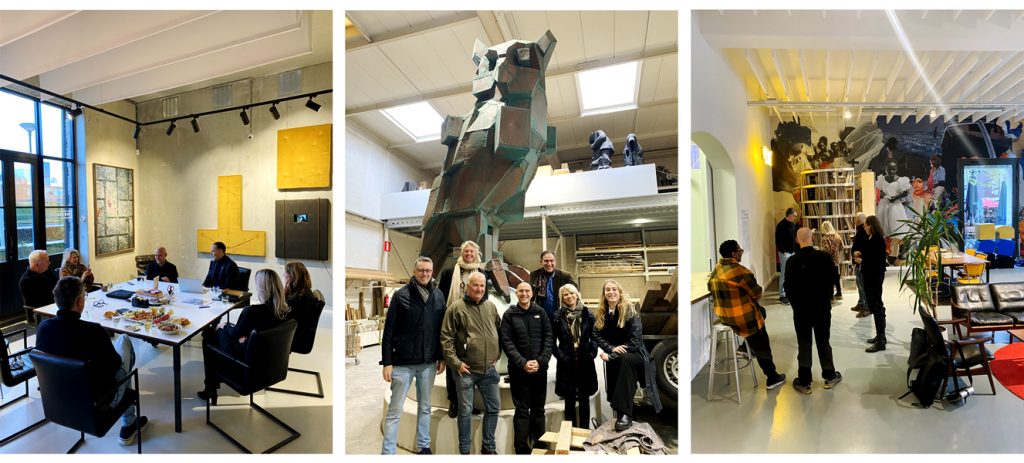
Met een nieuwe locatie in het vooruitzicht -Ahoy Rotterdam- verwelkomt Art Rotterdam ook een nieuwe hoofdsponsor: DHB Bank. Om onze nieuwe partner kennis te laten maken met de Rotterdamse kunstscene stond afgelopen 19 november een city trip voor DHB gepland met bezoeken aan Kunstinstituut Melly, Brutus, Atelier Van Lieshout, Roof-A Gallery en Galerie Weisbard. Zowel Manuela en Pienk, VIP managers van Art Rotterdam als Mustafa Beker, Head of Art Finance and Business Devolopment DHB Bank en MarCom team DHB Bank: Folkert Oosting en Martijn Blom, waren onder de indruk van de gastvrije ontvangsten op de diverse locaties, de interessante gesprekken en de uiteenlopende tentoonstellingsprogramma’s. Duidelijk is dat zowel Team Art Rotterdam als Team DHB uitkijkt naar de komende editie in Ahoy en het Art Rotterdam VIP programma in de stad.
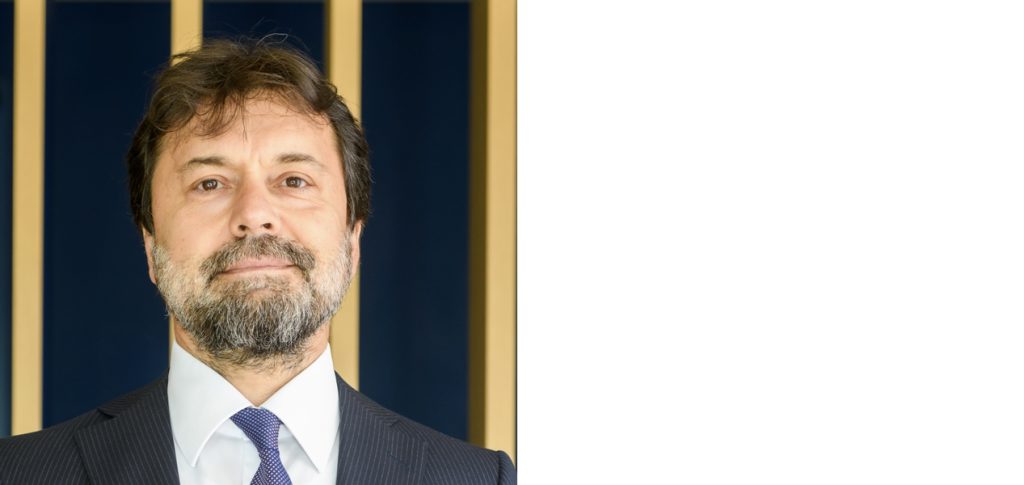
Okan Balköse, CEO van DHB Bank vertelt waarom de bank hoofdsponsor is: “Ik ben trots op ons partnership voor deze 26e editie van Art Rotterdam in Ahoy. Wij vinden het belangrijk dat kunst toegankelijk blijft voor iedereen. Hedendaagse kunst inspireert juist als de wereld verandert en je samen zoekt naar nieuwe mogelijkheden.”
DHB Bank is een Nederlandse spaarbank waar je online kunt sparen. Het hoofdkantoor is al ruim 30 jaar gevestigd in Rotterdam. De stad werd door de jaren heen haar thuishaven; mede daarom is DHB Bank de trotse hoofdsponsor van Art Rotterdam.
Tijdens Art Rotterdam, van 28 tot en met 30 maart 2025 in Rotterdam Ahoy, presenteert Prats Nogueras Blanchard uit Madrid en Barcelona het werk van Mercedes Azpilicueta in de New Art Section, die wordt gecureerd door Övül Ö. Durmuşoğlu. Azpilicueta is gefascineerd door vergeten stemmen en onderzoekt hoe kunst kan bijdragen aan het herschrijven van de geschiedenis vanuit een dekoloniaal en feministisch perspectief. Geschiedenis is voor Azpilicueta namelijk niet eenduidig: ze verweeft verhalen van feministische iconen, queer personen, ballingen en migranten — figuren die vaak buiten de gangbare geschiedschrijving vallen — tot complexe en multidimensionale installaties. Ze kijkt daarbij bijvoorbeeld naar de subjectiviteit van taal, geschiedenis, verhalen en objecten.
Azpilicueta’s multidisciplinaire praktijk omvat onder meer textiel, sculptuur, video, geluid, tekeningen en performance. Textiel speelt een centrale rol, waarbij ze traditionele technieken zoals borduren en weven combineert met moderne productiemethoden. Op die manier herwaardeert ze traditionele vormen van vrouwelijke arbeid en vergeten kennis, terwijl ze de invloed van machtsstructuren op persoonlijke verhalen onderzoekt. De Jacquardtapijten van Azpilicueta bestaan uit gelaagde composities van historische en hedendaagse illustraties, tekstfragmenten en abstracte vormen. Soms presenteert ze deze tapijten als sculpturen, waarmee ze de grenzen tussen disciplines laat vervagen.
Haar werkwijze is diep geworteld in onderzoek. Ze noemt zichzelf ook wel een ‘oneerlijke onderzoeker’ en beweegt vrijelijk tussen kunstgeschiedenis, populaire cultuur, mythologie, literatuur, protestculturen, straatcultuur en haar persoonlijke herinneringen. Azpilicueta vindt ook inspiratie in speculatieve en fictieve Latijns-Amerikaanse literatuur, waarin alternatieve werkelijkheden, toekomstvisies en magisch-realistische elementen een belangrijke rol spelen. Ook barokke kunst, die door kolonisatie zijn weg vond naar Latijns-Amerika en zich daar vermengde met lokale tradities, vormt een essentieel onderdeel van haar praktijk. Daarnaast voelt de kunstenaar zich aangetrokken tot oeroude kennisvormen die voornamelijk via vrouwen werden doorgegeven, maar door door de opkomst van religie, kapitalisme en moderne geneeskunde naar de achtergrond zijn verdrongen. Azpilicueta streeft daarbij niet naar een lineaire reconstructie, maar werkt via een proces van hercompositie, waarin historische feiten, fictie en persoonlijke herinneringen in elkaar overvloeien. Zo brengt ze een rijkdom aan stemmen, tijdperken en materialen samen.
Terugkerende thema’s in haar werk zijn dekolonialisme, feminisme en gender, diaspora en ontworteling, en de spanning tussen het persoonlijke en het collectieve lichaam. Haar associatieve werk ontmantelt vastgeroeste historische narratieven en schept ruimte voor nieuwe perspectieven. Deze perspectieven zijn affectief, dat wil zeggen dat de nadruk ligt op emotie, lichamelijke ervaringen en zintuiglijke waarneming als manieren om de wereld te begrijpen en te duiden. Op die manier erkent ze dat menselijke ervaringen niet alleen door rationele of intellectuele processen worden gevormd, maar ook door gevoelens zoals empathie, verlangen, pijn en verbondenheid. Tegelijkertijd biedt Azpilicueta’s werk een dissident perspectief, dat zich verzet tegen dominante opvattingen, structuren en machtsverhoudingen. Dit verzet vindt zijn oorsprong in feministische, dekoloniale en queer theorieën en streeft ernaar ruimte te scheppen voor alternatieve verhalen, identiteiten en vormen van kennis die niet binnen het gangbare discours passen. In het werk van Azpilicueta komen deze twee perspectieven samen en de kunstenaar biedt ons op die manier alternatieve manieren van begrijpen en ervaren. In het kader van haar expositie in het Fries Museum zei de kunstenaar: “[Ik] benader geschiedenis als iets meervoudigs, collectiefs en vloeibaars – een verhaal dat nooit vastligt, maar voortdurend wordt herschreven, herverteld, gedeeld en zelfs betwist.”
Deze werk- en denkwijze komt goed tot uiting in het wandtapijt ‘The Captive: Here’s a Heart for Every Fate’, dat deel uitmaakt van de collectie van het Van Abbemuseum. Dit werk is geïnspireerd op de 19e-eeuwse hervertelling van de legende van Lucía Miranda door de Argentijnse schrijfster Eduarda Mansilla. In de oorspronkelijke mythe wordt Lucía neergezet als een passieve ‘cautiva’, een Europese vrouw die in de 16e eeuw door de lokale Argentijnse bevolking gevangen werd genomen en uiteindelijk door de kolonisten werd ‘gered’. Mansilla doorbreekt dit koloniale narratief door Lucía een actieve rol te geven, waarbij ook haar gevoelens en verlangens een rol krijgen. Ze benadrukt de solidariteit die Lucía opbouwt met de vrouwen waarmee ze samenleeft; ze wisselen kennis uit en ontwikkelen samen een eigen taal. Dit perspectief humaniseert de Argentijnse bevolking en toont hun kracht en streven naar onafhankelijkheid, zonder Lucía in een slachtofferrol te plaatsen. Azpilicueta liet zich voor dit werk inspireren door de verfijnde patronen van 19e-eeuwse kostuums en korsetten. Daarnaast verwijst het werk naar een schilderij uit dezelfde periode van de Argentijnse kunstenaar Ángel Della Valle, waarbij ze bewust speelt met genderrollen. Ook verwerkt Azpilicueta een interpretatie van een schilderij van de Uruguayaanse kunstenaar Juan Manuel Blanes, waarin de tegenstelling tussen het ‘barbaarse’ en het ‘beschaafde’ op allegorische wijze wordt verbeeld. Met haar werk stelt Azpilicueta kritische vragen over deze geconstrueerde tegenstellingen en de koloniale denkbeelden die daaraan ten grondslag liggen.
Voor andere werken verdiepte Azpilicueta zich onder meer in de constructie van mannelijkheid binnen de koloniale mode van het Nieuwe Spanje en de esthetiek van bondagecultuur. Daarnaast onderzocht ze de rol van vrouwen in baroktuinen, straatjargon en historische gebeurtenissen zoals de door vrouwen geïnitieerde ‘Aardappeloproer’ van 1917 in Amsterdam. Ook historische figuren, zoals de luitenant-non Catalina de Erauso, die in 1599 in mannenkleding uit een Baskisch klooster ontsnapte en een militaire carrière begon in Spaans-Amerika, vormen een belangrijke inspiratiebron in haar werk.
De kunstenaar beschrijft het tot stand komen van haar geweven werken als een choreografie zonder duidelijk eindpunt, waarbij composities voortdurend worden aangepast en verfijnd, eerst op papier, dan op een computer en daarna op een weefgetouw. Het daadwerkelijke werk wijkt daarbij altijd enigszins af van het originele idee. In een interview met Voice Mag beschreef ze het werken met Jacquardtapijten als “schilderen met draden”, waarbij maximaal twaalf kleuren garen een rijk kleurenpalet van 125 tinten opleveren.
De materialen die Azpilicueta gebruikt, dragen hun eigen verhalen en geschiedenissen met zich mee. In haar installaties verweeft ze stoffen, keramiek, latex, leer en was met objecten die verwijzen naar ‘vrouwelijke’ arbeid en subalterne kennis: vormen van kennis die binnen onze machtsstructuren en kennisinstituten lang zijn gemarginaliseerd, ondergewaardeerd of onderdrukt. Azpilicueta omarmt het gebruik van technieken als borduren, naaien en quilten, die we traditioneel associeren met huiselijke of ambachtelijke kennis, en plaatst deze in een hedendaagse context. Op die manier pleit Azpilicueta voor een herwaardering van deze praktijken, die anders dreigen te verdwijnen. Door ambachtelijke en industriële technieken met elkaar te combineren, onderzoekt ze hoe traditie en innovatie elkaar kunnen versterken. De praktijk van Azpilicueta wordt gekenmerkt door samenwerking met ambachtslieden, performers en onderzoekers. Haar textielwerken komen vaak tot stand in gespecialiseerde ateliers, zoals het TextielLab in Tilburg.
Azpilicueta haalt ook inspiratie uit nieuwe materialistische theorieën, waarin materie en materialiteit een actieve rol spelen in het vormgeven van de wereld. In haar werk vertaalt zich dit naar een doordachte omgang met materialen en technieken, die niet slechts als middelen dienen, maar als actieve, dynamische elementen binnen haar praktijk. Deze benadering nodigt de kijker uit om materialen niet alleen te zien als dragers van betekenis, maar als veranderlijke entiteiten die onze perceptie van verleden en heden beïnvloeden. Azpilicueta werkt met gerecyclede en natuurlijke materialen, die een extra laag aan betekenis toevoegen aan haar objecten. Deze materialen dragen sporen van hun vorm en gebruik, maar verwijzen ook naar bredere thema’s, zoals de circulatie van grondstoffen en de overdracht van kennis, thema’s die vaak nauw verweven zijn met de uitbuiting van mens en natuur.
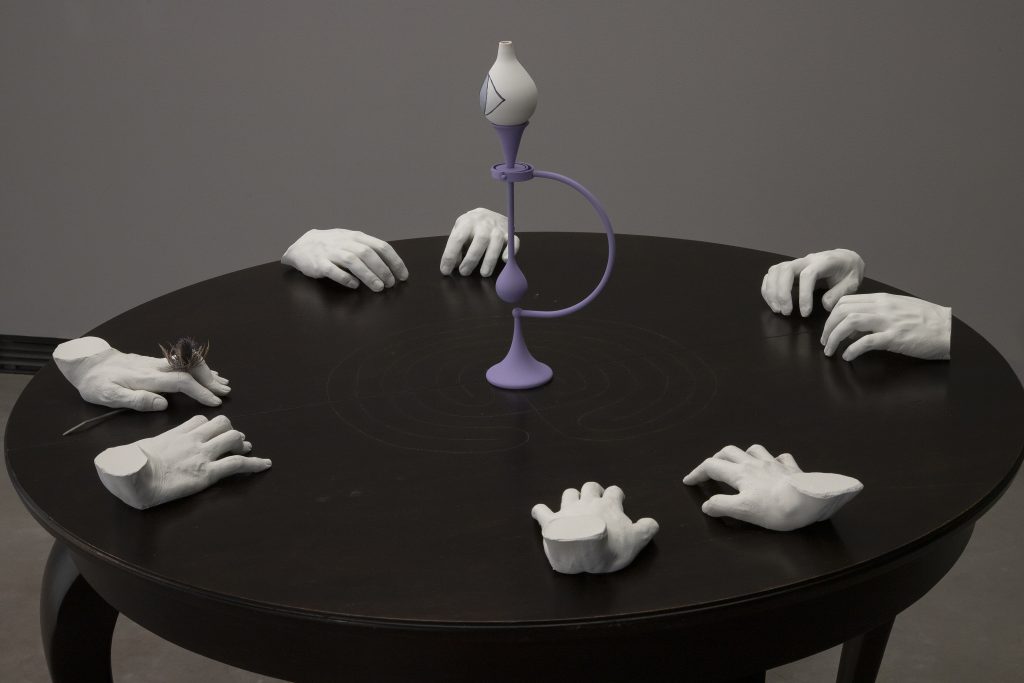
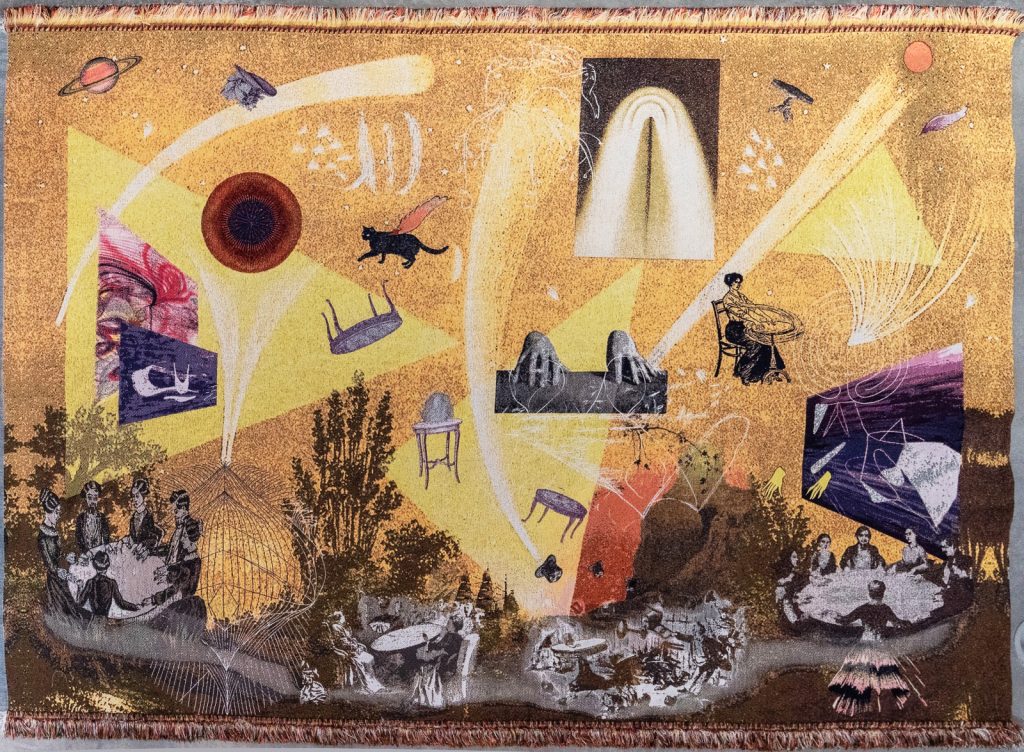
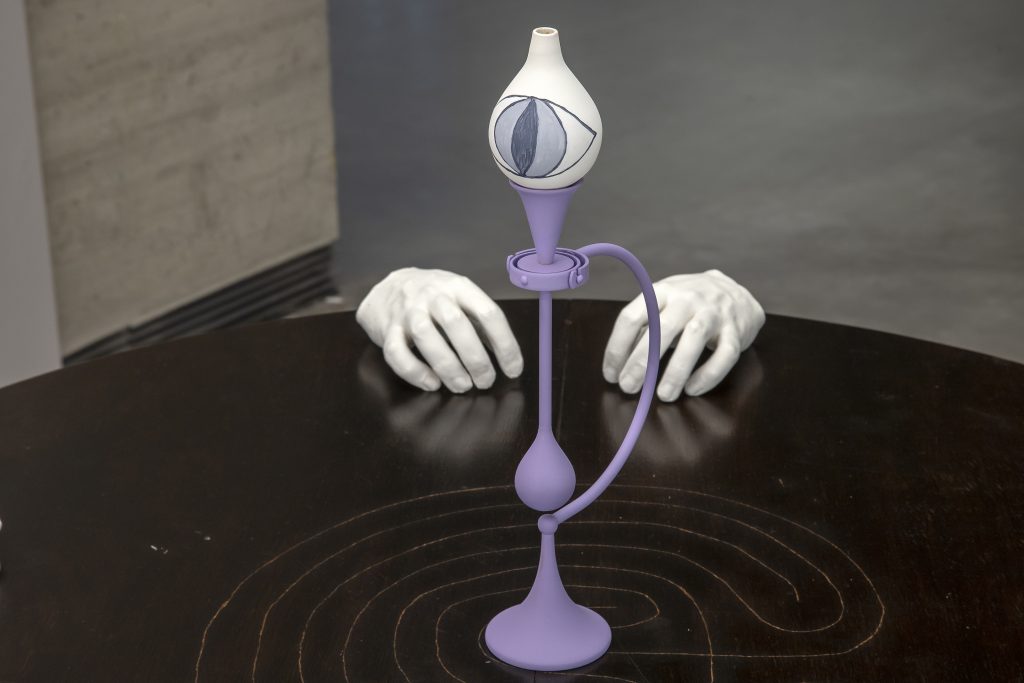
Azpilicueta’s presentatie op Art Rotterdam omvat onder meer de installatie ‘La Fuerza Colectiva’, waarin een theatrale tafel met sculpturale elementen een dialoog aangaat met de ruimte én de kijker. Omringd door gipsen handen roept de tafel associaties op met een spirituele of ceremoniële bijeenkomst, zoals seances of rituelen rond vrouwelijke lichamen en gedeelde ervaringen. De decoratieve motieven op het tafelblad en de vaas met oogmotief verwijzen naar rituelen van vrouwelijke kennisoverdracht en collectief geheugen, geïnspireerd door het werk van Amalia Domingo Soler, een 19e-eeuwse schrijfster, activiste en spiritist. Deze elementen keren terug in het monumentale Jacquard-tapijt ‘Las Mesas Danzantes’, een dynamische visuele collage waarin zwevende objecten zoals stoelen en tafels verschijnen. Het tapijt bevat ook spirituele en abstracte tekeningen en schilderijen die Azpilicueta in haar vroege twintiger jaren in Buenos Aires maakte, wat een diepe persoonlijke laag aan het werk toevoegt. Daarnaast verwijst het werk naar de baanbrekende 19e-eeuwse abstracte kunstenaar Georgiana Houghton, wier verkenning van abstractie zelfs voorafgaat aan Kandinsky, die traditioneel wordt beschouwd als de ‘grondlegger’ van de abstracte schilderkunst. Bovendien zijn abstractie en spiritisme vanaf het begin nauw met elkaar verbonden, onder meer in het werk van Hilma af Klint. Azpilicueta onderzoekt deze verbinding door contrasterende stijlen en technieken te combineren, waarbij historische prenten samenkomen met delicate, handgetekende en abstracte vormen. Zo ontstaat een tijdelijke, bijna dromerige ruimte waarin de toeschouwer beweegt tussen verleden en heden, tussen realiteit en fictie.
Mercedes Azpilicueta werd in 1981 geboren in La Plata, Argentinië, maar woont en werkt al enige jaren in Nederland. Ze studeerde aan de Universidad Nacional de las Artes in Buenos Aires en behaalde haar Master aan het Dutch Art Institute/ArtEZ in Arnhem. In 2015-2016 was ze artist-in-residence aan de prestigieuze Rijksakademie van Beeldende Kunsten in Amsterdam. Haar werk was onder meer te zien in het Van Abbemuseum, het Stedelijk Museum, het Fries Museum, het Barbican Center en Gasworks in Londen, het IMMA in Dublin, het Museo de Arte Moderno de Buenos Aires, CentroCentro in Madrid, Kunstverein Göttingen en tijdens de Busan Biennale. In 2021 werd Azpilicueta genomineerd voor de Prix de Rome en in 2017 ontving ze de Pernod Ricard Fellowship.
Tijdens Art Rotterdam zal het werk van Mercedes Azpilicueta te zien zijn in de New Art Section, gepresenteerd door Prats Nogueras Blanchard uit Madrid en Barcelona.
Geschreven door Flor Linckens
During Art Rotterdam 2025, the NN Art Award will be presented for the ninth time. This prize celebrates talented artists who have graduated from a Dutch institution and are showcasing their work at the fair. The award not only offers recognition but also supports artists in developing and presenting their practice. The winner of the NN Art Award will be announced during the festive award ceremony in Kunsthal Rotterdam on Friday, March 28, 2025 at 20:00 hours; work by all nominees will be on display here until May 11.
A partnership with impact
Since 2017, Nationale-Nederlanden (part of NN Group) has partnered with Art Rotterdam, presenting an annual award to outstanding contemporary art talent with an innovative and authentic artistic voice. The selected works often address societal themes and demonstrate remarkable technical execution. The award is not limited to emerging talent but also recognises artists who are further along in their careers. With multidisciplinary selection criteria, all media types are eligible to be included in the NN Art Award.
A springboard for artists
The winner will receive €10.000, intended to further develop their practice and reach a wider audience. Also this year, the nominees will have the unique opportunity to exhibit their work at Kunsthal Rotterdam. The exhibition will run from 15 March to 11 May 2025. Last year, more than 110.000 people visited the exhibition. Also, all four nominees will be featured in an article on GalleryViewer.com. In addition, Nationale-Nederlanden purchases work from one or more of the nominees for its corporate collection.
Spotlight on talent and excellence in education
The NN Art Award underscores the exceptional quality of art education in the Netherlands. Artists from around the world are drawn to prestigious institutions such as the Rijksakademie, De Ateliers, the Jan van Eyck Academie and the Piet Zwart Institute.
Looking back on 2024
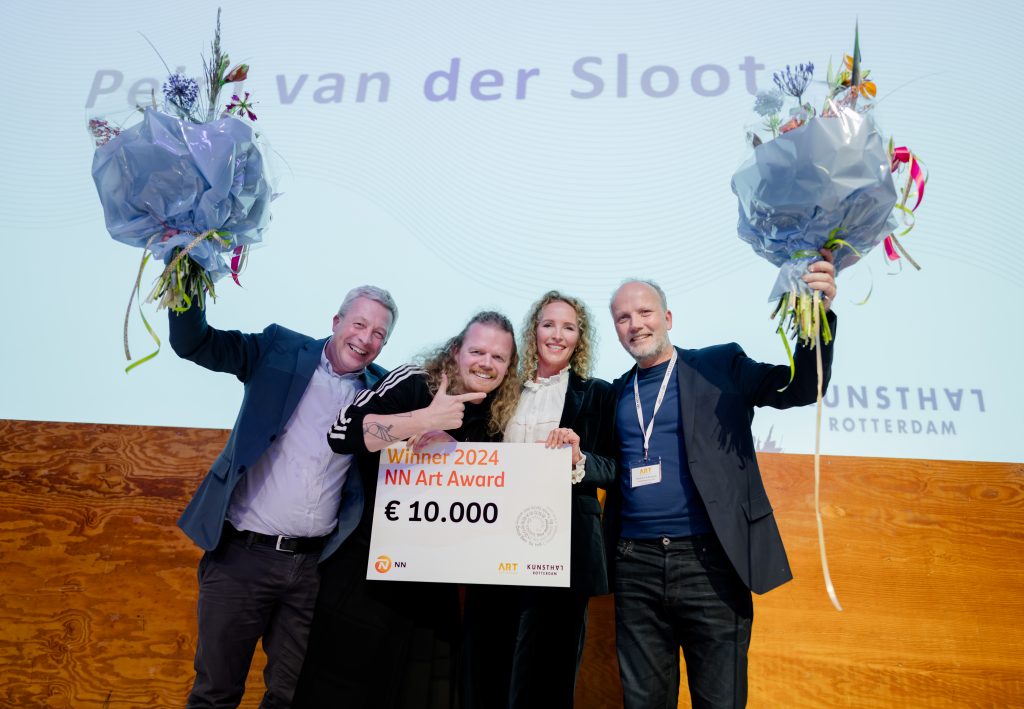
Last year’s award went to Peim van der Sloot, represented by Brinkman & Bergsma. Van der Sloot reflected: “Winning the NN Art Award in 2024 was a surprising and fantastic start to the year. It allowed me to deepen my practice by creating new work, which I was able to present on international stages, including an art fair in Los Angeles. I am incredibly grateful for these opportunities; it was undoubtedly one of the highlights of my year. I also had the time to explore certain themes more deeply, such as my new series paying homage to pointillism. These works, inspired by light and nature in Amsterdam, will be on view in a solo exhibition at Huize Frankendael from February onwards. We will organise a special tour and dinner for GalleryViewer readers, and everyone is welcome to join.”
The jury and selection
Each year, a rotating jury of art professionals selects four nominees and ultimately chooses the winner. The jury combines various disciplines including art journalists, curators, museum directors, artists, collectors and the curator of the NN Art Collection.
This year’s jury consists of:
• Marianne Splint, Director of Kunsthal Rotterdam
• Peim van der Sloot, artist and winner of the NN Art Award 2024
• Nadine van den Bosch, curator, author, and co-founder and director of Young Collectors Circle
• Miluska van ’t Lam, Editor-in-Chief of Harper’s Bazaar
• Maartje de Roy van Zuydewijn, curator of the NN Art Collection
Galleries who exhibit at the fair can nominate artists for the award. Additionally, the curator of the Prospects section of the Mondriaan Fund will also submit five proposals this year, selecting the most promising talent featured in the exhibition. The four nominees for the NN Art Award 2025 will be announced mid February.
Festive award ceremony at Kunsthal Rotterdam
The winner of the NN Art Award will be announced during the festive award ceremony in Kunsthal Rotterdam on Friday, March 28, 2025 at 20:00 CET. During this festive evening, all exhibitions, including the NN Art Award exhibition, can be viewed freely by the guests present.
About Nationale-Nederlanden
Nationale-Nederlanden (part of NN Group) is an international financial services provider with a long-standing tradition of supporting art and culture.
Tijdens Art Rotterdam 2025 wordt voor de negende keer de NN Art Award uitgereikt, een prijs voor talentvolle kunstenaars die een opleiding hebben afgerond aan een Nederlands instituut en werk tonen op de beurs. Deze stimuleringsprijs biedt niet alleen erkenning, maar ondersteunt kunstenaars ook in het ontwikkelen en presenteren van hun werk. De winnaar van de NN Art Award wordt bekendgemaakt tijdens de feestelijke prijsuitreiking in Kunsthal Rotterdam op vrijdag 28 maart 2025 om 20.00 uur; werk van alle genomineerden is hier tot en met 11 mei te zien.
Een partnerschap met impact
Sinds 2017 is Nationale-Nederlanden (onderdeel van NN Group) partner van Art Rotterdam en reikt sindsdien ieder jaar een stimuleringsprijs uit aan uitzonderlijk hedendaags kunsttalent met een innovatieve en authentieke beeldtaal. Vaak weerspiegelt het werk maatschappelijke vraagstukken en wordt het gekenmerkt door een interessante technische uitvoering. De prijs richt zich niet alleen op nieuw talent, maar ook op kunstenaars die al een volgende stap in hun carrière hebben gezet. De selectiecriteria zijn multidisciplinair, waardoor alle media in aanmerking komen.
Een opstap voor kunstenaars
De winnaar ontvangt een geldbedrag van €10.000, bedoeld om zijn werk verder te ontwikkelen en een breder publiek te bereiken. Dit jaar krijgen de genomineerden wederom de unieke kans om hun werk te tonen in Kunsthal Rotterdam. De tentoonstelling, die dit jaar loopt van 15 maart tot en met 11 mei 2025, trok vorig jaar meer dan 110.000 bezoekers. Verder worden alle vier de genomineerden uitgelicht in een artikel op GalleryViewer.com. Daarnaast verwerft Nationale-Nederlanden werk van één of meerdere genomineerden voor de NN Kunstcollectie.
Focus op toptalent en hoogwaardige opleidingen
De NN Art Award benadrukt de kwaliteit van de kunstopleidingen in Nederland. Kunstenaars van over de hele wereld vinden hun weg naar prestigieuze instituten zoals de Rijksakademie, De Ateliers, de Jan van Eyck Academie en het Piet Zwart Instituut.
Terugblik op 2024
Tijdens de vorige editie ging de prijs naar Peim van der Sloot, vertegenwoordigd door Brinkman & Bergsma. Van der Sloot: “Het winnen van de NN Art Award in 2024 was een verrassend en geweldig begin van het jaar. Het heeft me in staat gesteld mijn praktijk verder te verdiepen door nieuw werk te creëren, dat ik op internationale podia heb kunnen tentoonstellen, waaronder op een kunstbeurs in Los Angeles. Daar ben ik ontzettend dankbaar voor; het was één van de hoogtepunten van het jaar. Ik heb daarnaast de tijd gehad om bepaalde onderwerpen dieper te onderzoeken, zoals de nieuwe reeks werken waarin ik een ode breng aan het pointillisme. Deze werken zijn geïnspireerd door licht en natuur in de stad Amsterdam. Deze reeks zal vanaf februari te zien zijn in een solotentoonstelling in Huize Frankendael. We zullen dan een speciale rondleiding met diner organiseren voor de lezers van GalleryViewer, waarbij iedereen welkom is.”
De jury en selectie
Een jaarlijks wisselende jury van kunstprofessionals selecteert vier genomineerden en kiest de uiteindelijke winnaar. De jury bestaat telkens uit een combinatie van disciplines: kunstjournalisten, conservatoren, museumdirecteuren, kunstenaars, kunstverzamelaars en de conservator van de NN Kunstcollectie.
Dit jaar bestaat de jury uit:
• Marianne Splint, directeur van Kunsthal Rotterdam
• Peim van der Sloot, kunstenaar en winnaar van de NN Art Award 2024
• Nadine van den Bosch, curator, auteur en medeoprichter en directeur van Young Collectors Circle
• Miluska van ’t Lam, hoofdredacteur van Harper’s Bazaar
• Maartje de Roy van Zuydewijn, conservator van de NN Kunstcollectie
Galeriehouders die op de beurs staan kunnen kunstenaars aandragen voor de award. Ook de curator van de Prospects sectie van het Mondriaan Fonds zal dit jaar weer vijf voorstellen indienen: een selectie van het meestbelovende talent in de tentoonstelling. De vier genomineerden voor de NN Art Award 2025 worden half februari bekendgemaakt.
Feestelijke uitreiking in Kunsthal Rotterdam
De winnaar van de NN Art Award wordt bekendgemaakt tijdens de feestelijke prijsuitreiking in Kunsthal Rotterdam op vrijdag 28 maart 2025 om 20.00 uur. Tijdens deze feestelijke avond zijn alle tentoonstellingen, inclusief de NN Art Award tentoonstelling, vrij toegankelijk te bezichtigen voor de aanwezige gasten.
Over Nationale-Nederlanden
Nationale-Nederlanden (onderdeel van NN Group) is een internationale financiële dienstverlener met een rijke traditie in het ondersteunen van kunst en cultuur.
At Art Rotterdam, taking place from 28 to 30 March 2025 at Rotterdam Ahoy, Prats Nogueras Blanchard from Madrid and Barcelona will present the work of Mercedes Azpilicueta. Her work will be shown in the New Art Section, curated by Övül Ö. Durmuşoğlu. Azpilicueta is fascinated by unheard voices and explores how art can contribute to rewriting history from a decolonial and feminist perspective. For Azpilicueta, history is anything but singular: she interweaves the stories of feminist icons, queer individuals, exiles and migrants — figures often overlooked in mainstream historiography — into complex and multidimensional installations. In doing so, she examines the subjectivity of language, history, narratives and objects, questioning their established meanings.
Azpilicueta’s multidisciplinary practice spans textiles, sculpture, video, sound, drawings and performance. Textiles hold a central place in Azpilicueta’s practice, where she seamlessly blends traditional techniques like embroidery and weaving with contemporary production methods. That way, she revalues traditional forms of female labour and overlooked knowledge while investigating the impact of power structures on personal narratives. Her Jacquard tapestries feature layered compositions of historical and contemporary imagery, text fragments and abstract forms. At times, she presents these tapestries as sculptures, blurring the boundaries between artistic disciplines.
Her approach is deeply rooted in research. Azpilicueta describes herself as a “dishonest researcher,” freely navigating between art history, popular culture, mythology, literature, protest cultures, street culture and personal memories. Azpilicueta also draws inspiration from speculative and fictional Latin American literature, in which alternative realities, future visions and magical realism play a key role. Baroque art, brought to Latin America through colonisation and merged with local traditions, also plays an essential role in her practice. Additionally, the artist is drawn to older forms of knowledge that has been primarily passed down through women, but has often been marginalised by the rise of religion, capitalism and modern medicine. Rather than pursuing a linear reconstruction, Azpilicueta engages in a process of recomposition, where historical facts, fiction, and personal memories seamlessly blend together. In this way, she brings together a wealth of voices, time periods and materials.
Recurring themes in her work include decolonialism, feminism and gender, diaspora and displacement, and the tension between the personal and the collective body. Her associative practice dismantles entrenched historical narratives, creating space for new perspectives. These perspectives are affective, emphasising emotion, bodily experiences and sensory perception as ways to understand and interpret the world. Azpilicueta acknowledges that human experiences are shaped not only by rational or intellectual processes but also by feelings such as empathy, longing, pain and connection. At the same time, her work offers a dissident perspective that challenges dominant views, structures and power dynamics. This form of resistance finds its roots in feminist, decolonial and queer theories, striving to carve out space for alternative narratives, identities and forms of knowledge that fall outside the established discourse. In her work, these two perspectives converge and Azpilicueta offers us alternative ways of understanding and experiencing history. Reflecting on her exhibition at the Fries Museum, the artist stated: “[I] approach history as something multiple, collective, and fluid — something that is never definite but is constantly being rewritten, retold, shared and even contested.
This approach is beautifully reflected in the tapestry “The Captive: Here’s a Heart for Every Fate”, that is part of the Van Abbemuseum collection. Inspired by the 19th-century retelling of the legend of Lucía Miranda by Argentine writer Eduarda Mansilla, the piece challenges the original colonial narrative. In the traditional myth, Lucía is portrayed as a passive ‘cautiva,’ a European woman captured by the local Argentine population in the 16th century and ultimately ‘rescued’ by the colonisers. Mansilla subverts this narrative by giving Lucía an active role, while allowing space for her feelings and desires. She highlights the solidarity Lucía builds with the women she lives with, exchanging knowledge and developing their own language. This perspective humanises the Argentine population, showcasing their strength and pursuit of independence without reducing Lucía to a victim. For this work, Azpilicueta drew inspiration from the intricate patterns of 19th-century costumes and corsets. Additionally, the work references a painting by Argentine artist Ángel Della Valle from the same period, but she deliberately reverses gender roles in some cases. Azpilicueta also reinterprets a painting by Uruguayan artist Juan Manuel Blanes, where the allegorical contrast between the ‘barbaric’ and the ‘civilised’ is visually explored. Azpilicueta raises critical questions about these constructed dichotomies and the colonial ideologies underlying them.
Azpilicueta’s research for other works extends to the construction of masculinity in colonial New Spain, the aesthetics of bondage culture. She also delves into the role of women in Baroque gardens, street slang and historical events such as the women-led ‘Potato Riots’ of 1917 in Amsterdam. Historical figures, such as the lieutenant nun Catalina de Erauso, who escaped a Basque convent disguised as a man in 1599 and pursued a military career in Spanish America, also serve as significant sources of inspiration in her work.
The artist describes the formation of her woven artworks as an open-ended choreography, with compositions continuously being adapted and refined — first on paper, then on the computer, and finally on a weaving loom. The final work often deviates from the original concept. In an interview with Voice Mag, she described working with Jacquard tapestries as “painting with threads,” using up to twelve colours of yarn to achieve a rich palette of 125 hues.
The materials Azpilicueta uses carry their own stories and histories. In her installations, she weaves textiles, ceramics, latex, leather and wax with objects that reference ‘female’ labour and subaltern knowledge — forms of knowledge that have long been marginalised, undervalued or suppressed within dominant power structures and institutions. Azpilicueta embraces techniques such as embroidery, sewing and quilting — traditionally associated with domestic and craft-based knowledge — and repositions them in a contemporary context. In doing so, she challenges institutional hierarchies and advocates for a renewed appreciation of these practices, which are at risk of being lost. By combining artisanal and industrial techniques, she explores how tradition and innovation can coexist and reinforce each other. Azpilicueta’s practice is characterised by collaborations with artisans, performers and researchers, with her textile works often produced in specialised studios such as the TextielLab in Tilburg.
Azpilicueta also draws inspiration from new materialist theories, which emphasise the active role of matter and materiality in shaping the world. In her work, this translates into a thoughtful engagement with materials and techniques that serve not merely as tools but as active, dynamic elements within her practice. This approach invites viewers to perceive materials not just as carriers of meaning but as mutable entities that influence our understanding of both past and present. Azpilicueta works with recycled and natural materials, which add an additional layer of meaning to her objects. These materials bear traces of their form and use, while also pointing to broader themes such as the circulation of resources and the transmission of knowledge — topics often closely intertwined with the exploitation of people and nature.
Azpilicueta’s presentation at Art Rotterdam includes the installation “La Fuerza Colectiva”, in which a theatrical table with sculptural elements interacts with both space and viewer. Surrounded by plaster hands, the table evokes associations with a spiritual or ceremonial gathering, such as séances or rituals centered around female bodies and shared experiences. The decorative motifs on the tabletop and the vase with an eye motif allude to rituals of female knowledge transmission and collective memory, drawing inspiration from the work of Amalia Domingo Soler, a 19th-century writer, activist and spiritist. These elements reappear in the large-scale Jacquard tapestry “Las Mesas Danzantes”, a dynamic visual collage featuring floating objects such as chairs and tables. The tapestry incorporates spiritual and abstract drawings and paintings that were created by Azpilicueta in her early 20s in Buenos Aires, adding a deeply personal layer to the work. It also references the pioneering 19th-century abstract artist Georgiana Houghton, whose exploration of abstraction actually predates Kandinsky — who is traditionally considered the ‘creator’ of abstract painting. Furthermore, abstraction and spiritism have been closely linked from their inception, for instance in the work of Hilma af Klint. It’s a connection that Azpilicueta explores through contrasting styles and techniques, merging historical prints with delicate hand-drawn and abstract shapes. The resulting work creates a temporary, almost dreamlike space in which the viewer moves between past and present, reality and fiction.
Mercedes Azpilicueta was born in 1981 in La Plata, Argentina, and has been living and working in the Netherlands for several years. She studied at the Universidad Nacional de las Artes in Buenos Aires and earned her Master’s degree at the Dutch Art Institute/ArtEZ in Arnhem. In 2015-2016, she was an artist-in-residence at the prestigious Rijksakademie van Beeldende Kunsten in Amsterdam. Her work has been exhibited in institutions such as the Van Abbemuseum, the Stedelijk Museum, the Fries Museum, the Barbican Centre and Gasworks in London, IMMA in Dublin, the Museo de Arte Moderno de Buenos Aires, CentroCentro in Madrid, Kunstverein Göttingen and during the Busan Biennale. In 2021, Azpilicueta was nominated for the Prix de Rome, and in 2017 she received the Pernod Ricard Fellowship.
The work of Mercedes Azpilicueta will be featured at Art Rotterdam in the New Art Section, presented by Prats Nogueras Blanchard from Madrid and Barcelona.
Written by Flor Linckens
With a new location in prospect -Ahoy Rotterdam- Art Rotterdam also welcomes a new main sponsor: DHB Bank. To introduce our new partner to the Rotterdam art scene, a city trip for DHB was planned last November 19, with visits to Kunstinstituut Melly, Brutus, Atelier Van Lieshout, Roof-A Gallery and Galerie Weisbard. Both Manuela and Pienk, VIP managers of Art Rotterdam, and Mustafa Beker, Head of Art Finance and Business Devolopment DHB Bank and MarCom team DHB Bank: Folkert Oosting and Martijn Blom were impressed by the hospitable receptions at the various locations, the interesting conversations and the diverse exhibition programs. It is clear that both Team Art Rotterdam and Team DHB are looking forward to the upcoming edition in Ahoy and the Art Rotterdam VIP program in the city.
Okan Balköse, CEO of DHB Bank, shares why the bank is the main sponsor: “As a bank with deep roots in the city, we are proud of our partnership for the 26th edition of Art Rotterdam at Ahoy. Our support reflects our belief in the importance of keeping art accessible to everyone. Contemporary art challenges us to see the future differently, just as savings opens the door to new possibilities and space to look ahead.”
DHB Bank is a Dutch savings bank where you can save online. Its headquarters have been located in Rotterdam for over 30 years.
Over the years, the city has become its home base, which is why DHB Bank is the proud main sponsor of Art Rotterdam.
During Art Rotterdam, for the first time in Rotterdam Ahoy, the 13th edition of Prospects will take place featuring the work of no fewer than 116 starting artists. The Mondriaan Fund organizes the Prospects exhibition annually to boost the visibility of starting artists. Its proximity to Art Rotterdam allows art professionals and collectors, as well as a wide range of art lovers, to become acquainted with the work of these promising artists.
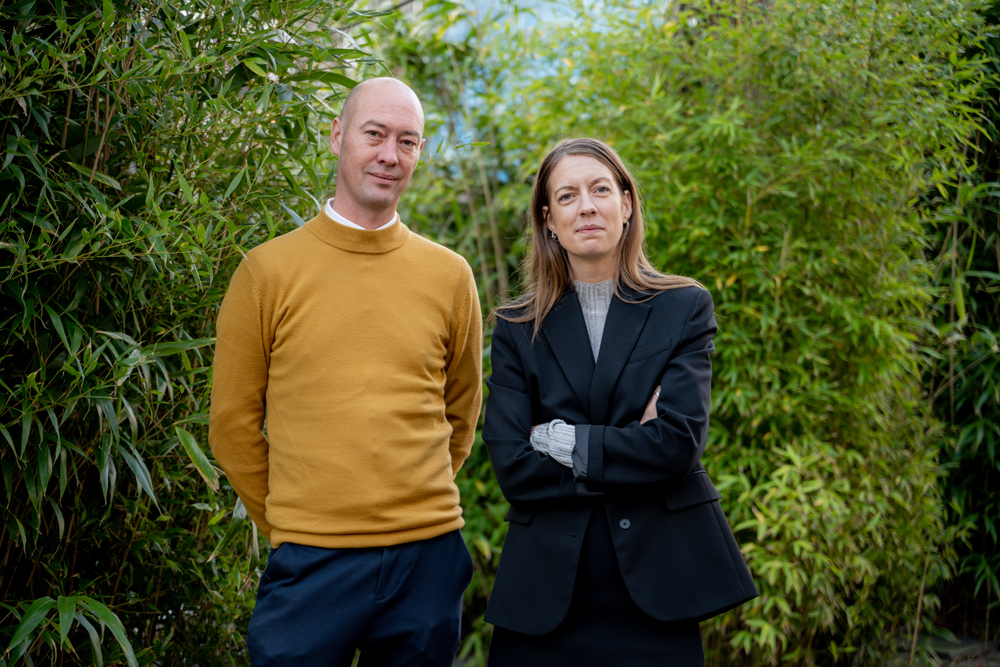
”The new location at Rotterdam Ahoy presents exciting opportunities as we host the largest edition of Prospects to date. Selected on merit for their exceptional talent, this dynamic and eclectic group of artists spans recent graduates to seasoned participants in prominent international exhibitions. This 13th edition celebrates a wide range of perspectives, with works that delve into themes of identity, belonging, and our evolving relationship with nature and history, while also pushing the formal boundaries of contemporary media. It is a privilege to bring together such a diverse group, reflecting the richness of today’s art landscape in the Netherlands.”
Tijdens Art Rotterdam, voor het eerst in Rotterdam Ahoy, vindt de 13e editie plaatst van Prospects met het werk van maar liefst 116 startende kunstenaars. Het Mondriaan Fonds organiseert de tentoonstelling Prospects jaarlijks om de zichtbaarheid van startende kunstenaars een extra impuls te geven. Door de nabijheid van Art Rotterdam kunnen kunstprofessionals en verzamelaars, maar ook een brede groep geïnteresseerden kennismaken met het werk van deze veelbelovende kunstenaars.
Curatoren Johan Gustavsson & Louise Bjeldbak Henriksen over de 2025 editie:
”De nieuwe locatie in Rotterdam Ahoy biedt vernieuwende mogelijkheden voor de grootste editie van Prospects tot nu toe. De dynamische en eclectische groep kunstenaars, geselecteerd op basis van hun uitzonderlijke talent, omvat pas afgestudeerden tot doorgewinterde deelnemers aan vooraanstaande internationale tentoonstellingen. Deze 13e editie viert een breed scala aan perspectieven, met werken die zich verdiepen in thema’s als identiteit, saamhorigheid en onze veranderende relatie met de natuur en geschiedenis, terwijl ze ook de formele grenzen van de hedendaagse media verleggen. Het is een voorrecht om zo’n diverse groep in een tentoonstelling bij elkaar te mogen brengen, die de rijkdom van het hedendaagse kunstlandschap in Nederland weerspiegelt.”
At Art Rotterdam (28-30 March 2025 at Rotterdam Ahoy), Wouters Gallery from Brussels will showcase the work of Elen Braga in the New Art Section, curated by Övül Ö. Durmuşoğlu. Braga’s art captivates viewers with its striking visual appeal, which can often be misleading at first glance: her works may initially appear playful and vibrant, yet a closer look tends to reveals a layered complexity, marked by sharp and critical reflection. In her practice, Braga weaves political themes, power dynamics and personal memories into compelling narratives.
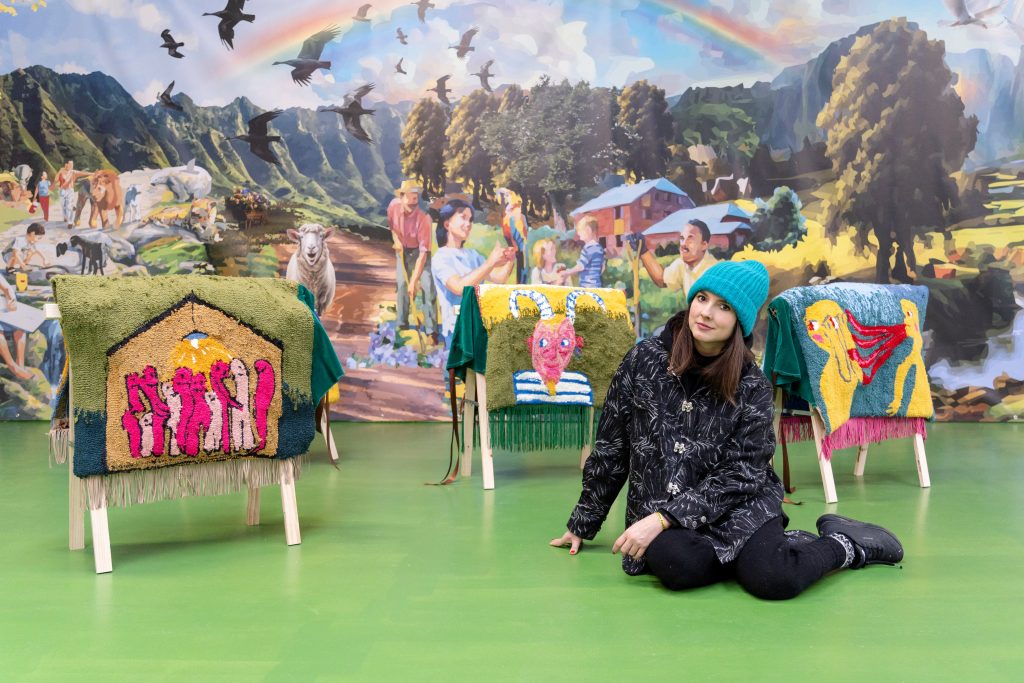
Elen Braga is known for her multidisciplinary and conceptually rich approach, encompassing installation, sculpture, video, textile and performance. Her work delves into themes such as strength, power dynamics, ambition and resilience, blending personal experiences and local narratives with universal themes and current events. Drawing inspiration from mythology, mass culture, folklore, religion and cultural traditions from both Belgium and Brazil, Braga explores how these continue to shape our daily actions and beliefs. At times, she reinterprets historical events as acts of resistance against official narratives. The artist is particularly intrigued by the paradoxes and ambiguities that emerge in her work, always aiming to spark a dialogue.
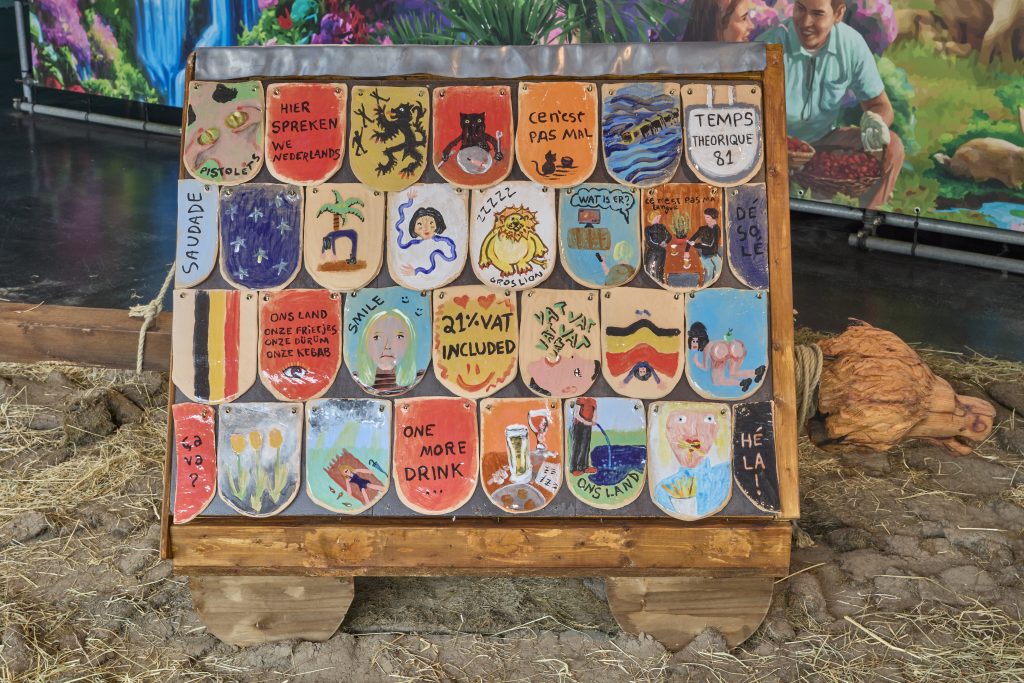
Braga often draws on her own life and experiences — such as surviving a childhood bus accident — to create intimate connections between the personal and the political, or even the collective. Her work is usually deeply attuned to the context of the locations where it is displayed and is frequently presented in the public space.
The artist works with unconventional materials such as textiles (including hand-tufted tapestries), ceramics, metal, language and even her own body. For Braga, the process of creation is nearly as significant as the outcome: a ritual shaped by dedication, perseverance and self-imposed challenges. Physical exertion plays a vital role in that, as she frequently explores the physical and mental limits of her body and integrates these into her work. A notable example is her monumental tapestry “Elen ou Hubris” (2020), which measured 24 metres in length, weighed 200 kilograms and was displayed for just five hours at the triumphal arch of the Cinquantenaire in Brussels. Conceptually, the piece explored the tension between ambition and overconfidence (hubris), connecting mythological and biblical narratives with personal reflections on pride and discipline. The work took nearly two years to complete.
For an earlier artwork, “Tão quente que era que pouco mais era morte” (“So Hot That a Degree More Would Mean Death”) (2015), Braga travelled to Death Valley in the United States, where she performed with a structure of twelve aluminium plates, inscribed with her interpretations of passages from Dante’s Inferno. This performance underscored her ongoing fascination with the duality of human strength and fragility.
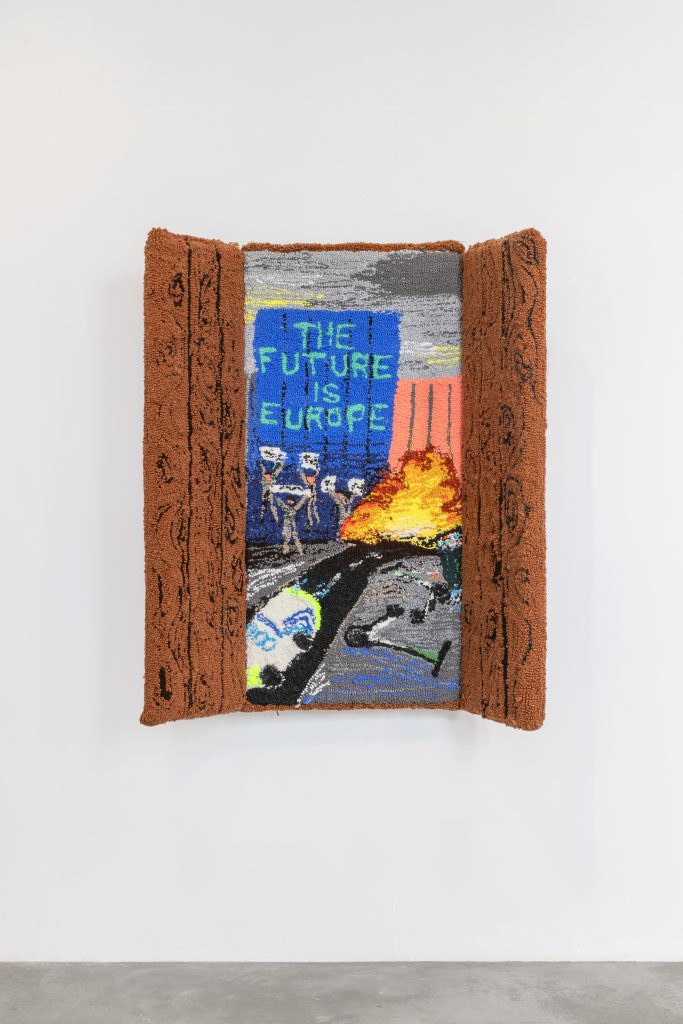
For a recent exhibition at Wouters Gallery, Braga explored the increasingly blurred boundaries between public and private spheres. Translating the concepts of a café and a love hotel into textile installations, she questioned the consumption of love in a digital age.
Elen Braga was born in 1984 in Maranhão, Brazil, into a family of very modest means. Her mother’s work with textiles profoundly influenced her understanding of how craft and identity can intersect in meaningful ways. Raised in a strict religious environment, Braga even gained a degree of recognition as a gospel singer in Brazil. As a child, she also participated in beauty pageants, an intriguing contrast to her religious upbringing, which discouraged overt displays of vanity. Although religion initially provided her with a sense of structure and security, Braga began questioning her beliefs as a teenager. Through art, she found a new way to make sense of the world and express herself. Her first experiments in performance art emerged from a desire to push boundaries — both physical and conceptual. The techniques she developed as a gospel singer later proved invaluable in her performances.
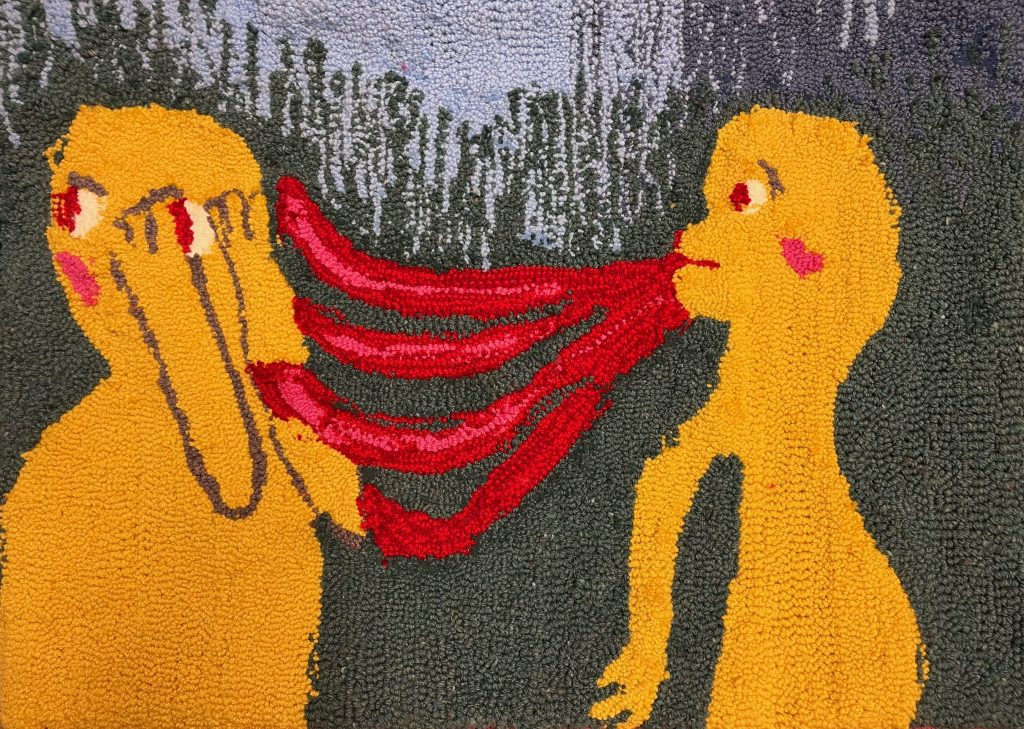
Since 2016, Braga has been based in Belgium. In 2018, she completed a post-master’s degree at a·pass (Advanced Performance and Scenography Studies) in Brussels. She has participated in several residency programmes, including MORPHO, Central Saint Martins and Buitenplaats Brienenoord. Her work was exhibited at institutions such as WIELS, M HKA and Centre Pompidou-Kanal in Brussels and was recently part of a group show at Mu.ZEE in Ostend. Until the end of January, her work will also be on view at CC Strombeek. In 2025, her first monograph will be published by MER Books.
The work of Elen Braga’s will be featured in the New Art Section at Art Rotterdam, presented by Wouters Gallery from Brussels.
Written by Flor Linckens


