Coming soon
Coming soon
Selecteer type
Tijdens Art Rotterdam treft u het werk van honderden kunstenaars van over de hele wereld. In deze reeks lichten we een aantal kunstenaars uit die bijzonder werk tonen tijdens de beurs.
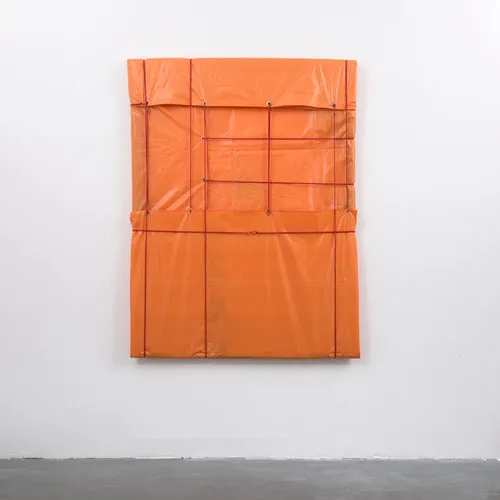
De Braziliaanse kunstenaar Mano Penalva studeerde sociale communicatie en sociale wetenschappen in Rio de Janeiro, met een specialisatie in de antropologie. Daarnaast volgde hij jarenlang kunstvakken aan de Escola de Artes Visuais. Hij is bovenal gefascineerd door materiële cultuur: een overkoepelende term die onder meer in de antropologie wordt gebruikt om te verwijzen naar het totaal aan tastbare objecten uit hedendaagse culturen en culturen uit het verleden. Hoe worden deze producten gemaakt, verspreid en gebruikt?
De kunstenaar onderzoekt deze materiële cultuur in relatie tot gedragsveranderingen en globalisering. Zijn voorkeur gaat daarbij vooral uit naar alledaagse objecten die tot handelswaar gemaakt zijn en zowel een lokaal als globaal karakter hebben — als gevolg van een steeds intensiever, industriëler en internationaler wordend productieproces. Penalva is geïnteresseerd in de manieren waarop objecten maar ook beelden zich exponentieel verspreiden over de wereld. Deze uitwisseling kan ook iets onthullen over de sociaaleconomische en culturele realiteit van een bepaald volk of een achterliggende koloniale geschiedenis.
Penalva verzamelt alledaagse voorwerpen die hij vindt op straat of tijdens zijn vele reizen langs grote wereldsteden, waarbij hij vooral de populaire straatmarkten niet overslaat. De kunstenaar maakte voor eerdere werken onder meer gebruik van het zeildoek dat gebruikt wordt in deze kraampjes. Hij verzamelt en koopt materialen als borduurwerk, appliqué patches, netten, jutezakken, nylon strips, haken, borstels en veiligheidsgordels. Voor een recente reeks uit 2021 gebruikte Penalva raffia verpakkingszakken die worden gebruikt voor onder andere meel, kunstmest, post en bruine suiker.
Deze voorbeelden van materiële cultuur eigent de kunstenaar zichzelf vervolgens toe, waarna hij het uit hun originele context haalt om zo tot nieuwe, poëtische betekenissen te komen. Verkoopstrategieën spelen daarin ook een rol. Voor het werk ‘Maiz’ maakte Penalva bijvoorbeeld een maiskolf van Cheetos (chips), in het formaat van een populaire maissoort die in Mexico wordt verkocht maar wordt geïmporteerd uit de Verenigde Staten. Hij fotografeerde dat object en drukte er vervolgens drieduizend ansichtkaarten van af, die hij uitdeelde aan lokale souvenirverkopers in Mexico-Stad. Zij mochten de opbrengsten van de verkoop vervolgens houden. De kunstenaar probeert hiermee iets te vertellen over materiële cultuur, maar ook over de effecten van globalisering.
Penalva werkt voor zijn praktijk in verschillende media, waaronder schilderkunst, fotografie, video, sculptuur en installatie. Zijn werk wordt soms vereenzelvigd met de Braziliaanse cultuur omdat hij veel gebruik maakt van karakteristieke lokale items, maar door nieuwe toepassingen krijgt het materiaal een grenzeloos karakter. De kunstenaar is bovendien geïntrigeerd door het idee dat een object of woord verschillende betekenissen kan hebben in verschillende culturen. Hij zoekt naar objecten die deze grenzen overstijgen en daarmee een symbool worden voor globalisering, om ze vervolgens in een nieuwe context te plaatsen. Een terugkerend thema is de tegenstelling tussen het (private) huiselijke leven en het meer vluchtige (publieke) leven op straat, en de manieren waarop die onze waarden en gewoonten beïnvloeden.
De afgelopen jaren rondde Penalva onder meer residenties af in Mexico, Miami, Brussel, New York en Brazilië. Zijn werk werd wereldwijd tentoongesteld, onder meer in Brussel, Mexico, Barcelona, Venetië, Parijs en New York. Tijdens Art Rotterdam is zijn werk te zien in de booth van Galerie Felix Frachon.
During Art Rotterdam, you will see the work of hundreds of artists from all over the world. In this series, we highlight a number of artists who will show remarkable work during the fair.
Some stories are so good that it is probably best not to check the details or facts too closely. In a way, the same can be said of the poetic work of Dutch video artist Guido van der Werve. His work is well worth the effort, but as soon as you try to explain what you are seeing, it eludes you. Five years after a serious traffic accident, he is back with his first feature film. At Art Rotterdam, Grimm Gallery will be presenting part of it: Act 10 – spice of life, death drive.
In his films, Van der Werve explores the limits of the physically possible. He has run several marathons around his house in Finland, completed a triathlon of more than 1,700 kilometres in order to bring soil from the garden of his childhood home to the final resting place of Chopin, his favourite composer, in Paris, and in a single day, ran from New York to Valhalla (NY) where Rachmaninov is buried. He also ran a marathon in under three hours – a major achievement. Until 2016, Van der Werve was able to incorporate all his interests in his films. But that spring, he was involved in a serious traffic accident in Berlin.
After a month, Van der Werve (NL, 1977) awoke from a coma and the long recovery process began. Unwittingly, he had trained himself to withstand the impact of such a blow. The artist vanished from the public eye for five years while working on his first feature film. Nummer achttien – the breath of life is about the rehabilitation process in which he had to relearn everything – from walking to talking and from playing chess to playing the piano – but above all, had to become reacquainted with himself.
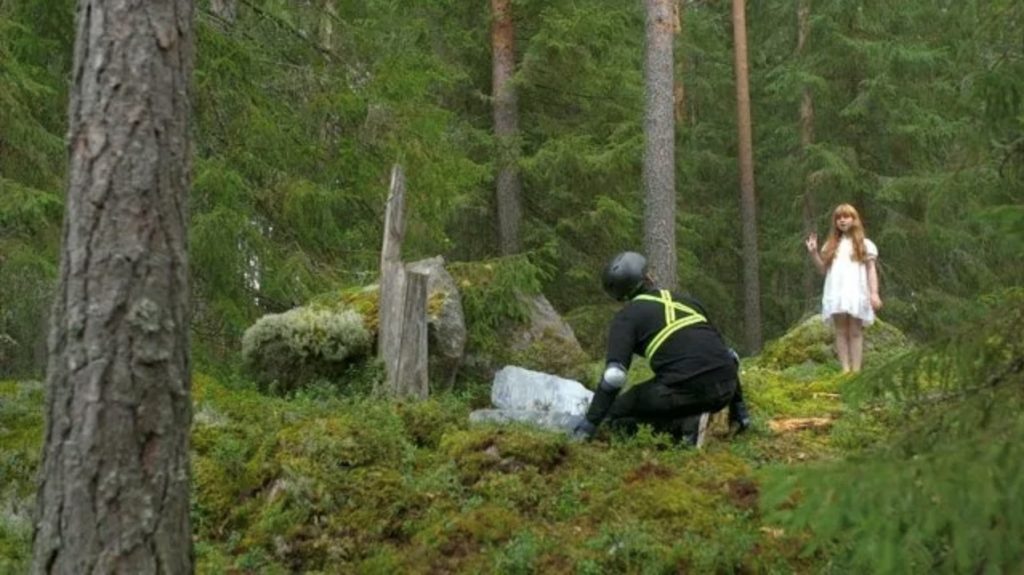
The full-length feature film will premiere in theatres in early September and will consist of 12 self-contained musical video artworks. At Art Rotterdam, Grimm Gallery is showing Act 10 – spice of life / death drive in which the artist contemplates suicide, mourns the death of his father and reflects on the loss of the planet. While looking for mushrooms in the woods around his house in the Finnish countryside, Van der Werve finds two flat stones on which he engraves his own Ten Commandments. For example, every race and sexual orientation are equal, education, sports and culture must be freely accessible to everyone, people have no ownership rights over flora and fauna and happiness is overrated. He places the stones on the grave of his father, who passed away in 2013.
Van der Werve gained international fame with films in which he records his performances. In them, he addresses themes such as loneliness, uprooting and homesickness, the futility of existence and the insignificance of man in relation to nature. Nummer achttien is a highly personal project, but considering Act 10, it is also typically Van der Werve, with music performed on the spot by an orchestra and choir, gallows humour and themes such as our relationship to nature and death.
The Icebreaker
In 2007, Van der Werve made his breakthrough with Nummer acht – everything is going to be alright. This ten-minute film is about an icebreaker approaching us from the distance on an endless expanse of ice. Van der Werve walks right in front of it with a stoic look. You can hear the ice breaking and the ship’s engine roaring, but the lack of further reference points makes it difficult for the viewer to determine exactly how many meters are between Van der Werve and the bow of the icebreaker.
It is an iconic image that makes you watch with bated breath. Behind Van der Werve, the world collapses and if he does not keep moving, he is bound to collapse with it. Add to this the extremely austere camerawork, consisting of a single shot that only registers what is happening at a great distance, so that you immediately realise that Van der Werve is facing this ordeal all alone – and by extension, the rest of us.
A five-second idea
The ideas for his films often come to him out of nowhere and from a certain state of mind. So, don’t expect a conclusive argument or iron-clad logic from Van der Werve. On the contrary, his work can best be described as romantic or poetic: if you try to fully understand it, it will elude you and you’ll ruin it. In a recent interview with the Dutch daily newspaper NRC, he said, “I am not a verbal person, but I am conceptual. And by conceptual I mean apophenia, which means that I see parallels or patterns between things that aren’t there. Often a simple five-second idea underlies a work. Such an idea originates from a certain intuitive state of mind. In Finland, I once hung over the edge of a ferry and saw the ice break. It was not the best time in my life and I was in a dystopic mood. I wondered what it would be like to walk on that breaking ice. That’s how Nummer acht was born.”
Although the ideas for his films arise in a few seconds, their implementation often takes quite a lot of time. To settle the eternal question once and for all of whether his work is performance or video art, he decided from his very first film to hire a professional film crew. This is part of the reason why this film is still rock solid 20 years later.
Another constant in his films is the use of classical music. Orchestras are regularly featured in his work, which not only stems from his love of music from the Romantic era, but also because, according to Van der Werve, music has a more direct emotional effect on the audience than images. “To me, music is a way to make my work poetic. I want to create an atmosphere and I absolutely do not want to verbally explain what my work is about. It’s not rational decisions I make, but something intuitive. I consider it the artist’s job to raise things to a higher intuitive level.” Van der Werve has been composing the musical scores for his films since 2007.
Nummer twee
Van der Werve’s films are certainly not all doom and gloom because they also rely on irony and gallows humour, such as the small advertising plane trailing a banner with the text It was not enough in Nummer vier or the monotonously recited short text at the start of Nummer twee: In the morning I can’t get up, in the afternoon I am bored, in the evening I am tired and at night I can’t sleep.
Van der Werve wrote the text while studying Russian in Saint Petersburg. For a homework assignment, he had to write a personal ad. The result was not very appealing. That afternoon, he witnessed a fatal car accident, and in the evening, he attended a ballet performance. He incorporated these events into a film that takes place at a single location: the street in which he grew up.
For Dutch viewers, the contrast between the fatal accident, classical ballet and completely interchangeable street with buildings from the 1970s is immediately clear. There’s something absurdist, magically realistic, about it. A traffic fatality and a ballet, death and beauty in a place where nothing seems to ever happen, a place synonymous with predictability and boredom.
Tijdens Art Rotterdam tref je het werk van honderden kunstenaars van over de hele wereld. In deze reeks lichten we een aantal kunstenaars uit die bijzonder werk tonen tijdens de beurs.
Sommige verhalen zijn zo goed dat het beter is om ze niet helemaal te checken, want dan blijft er niks van over. Dat geldt ook voor het poëtische werk van de Nederlandse videokunstenaar Guido van der Werve. Zijn werk kan je het beste ondergaan, maar zodra je het wilt verklaren, ontglipt het je. Vijf jaar na een ernstig verkeersongeluk is hij terug met zijn eerste lange speelfilm. Op Art Rotterdam toont Grimm Gallery alvast een deel, Act 10 – spice of life, death drive.
In zijn films verkent videokunstenaar Guido van der Werve de grenzen van wat fysiek mogelijk is. Zo rende hij meerdere marathons om zijn huis in Finland, volbracht hij een ruim 1700 kilometer lange triatlon om aarde uit de tuin van het geboortehuis van zijn lievelingscomponist Chopin te brengen naar diens laatste rustplaats in Parijs, en rende hij in een dag van New York naar Valhalla (NY) waar Rachmaninov begraven ligt. Ook liep hij een marathon onder de drie uur – een prestatie van formaat. Tot 2016 kon Van der Werve al zijn interesses kwijt in zijn films, totdat hij dat voorjaar betrokken raakte bij een ernstig verkeersongeluk in Berlijn.
Na een maand ontwaakte Van der Werve (NL, 1977) uit een coma en begon het lange revalidatieproces. Zonder het te weten had hij zichzelf getraind om zo’n klap te boven te kunnen komen. De kunstenaar verdween vijf jaar uit de publiciteit en werkte ondertussen aan zijn eerste lange speelfilm. Nummer achttien – the breath of life gaat over het revalidatieproces waarbij hij alles opnieuw moest leren – van leren lopen tot spreken en van hardlopen tot piano spelen -, maar waarbij hij vooral zichzelf opnieuw moest leren kennen.
De volledige speelfilm gaat begin september in de bioscoop in première en bestaat uit 12 op zichzelf staande muzikale videokunstwerken. Op Art Rotterdam toont galerie Grimm Act 10 – spice of life /death drive waarin de kunstenaar zelfmoord overweegt, rouwt om het overlijden van zijn vader en stilstaat bij de teloorgang van de aarde. Tijdens het paddenstoelen zoeken in de bossen rond zijn huis op het Finse platteland vindt Van der Werve twee platte stenen waarop hij zijn eigen Tien Geboden zet. Zo zijn ieder ras en seksuele geaardheid gelijk, moeten onderwijs, sport en cultuur gratis toegankelijk zijn voor iedereen, hebben mensen geen rechten over flora en fauna en is geluk overschat. Hij plaatst de stenen op het graf van zijn in 2013 overleden vader.
Van der Werve verwierf internationale bekendheid met films waarin hij zijn performances vastlegt. Daarin behandelt hij thema’s als eenzaamheid, ontworteling en heimwee, de futiliteit van het bestaan en de nietigheid van de mens ten opzichte van de natuur.
Nummer achttien is een zeer persoonlijk project, maar afgaand op Act 10 is het ook een typische Van der Werve met muziek die ter plekke wordt uitgevoerd door een orkest, zwarte humor, en geijkte thema’s als onze verhouding tot de natuur en de dood.
De IJsbreker
In 2007 brak Van der Werve door met Nummer acht – everything is going to be alright. Een film van ongeveer 10 minuten waarin op een eindeloze ijsvlakte in de verte een ijsbreker op ons afkomt. Vlak daarvoor loopt Van der Werve met een stoïcijnse blik. Je hoort het ijs breken en de motor van het schip ronken, maar doordat verdere referentiepunten ontbreken, is het voor de kijker moeilijk vast te stellen hoeveel meter er precies zit tussen Van der Werve en de boeg van de ijsbreker.
Een iconisch beeld waarnaar je met ingehouden adem kijkt. Achter Van der Werve stort de wereld in en als hij niet doorloopt wordt het geheid zijn ondergang. Voeg daarbij de uiterst sobere cameravoering, bestaande uit een enkel shot dat op grote afstand slechts registreert wat er gebeurt, waardoor je direct beseft dat Van der Werve er alleen voor staat – en in het verlengde daarvan wij allemaal.
Een vijf-seconden ideetje
De ideeën voor zijn films ontstaan vaak terloops en vanuit een bepaalde gemoedstoestand.
Verwacht dan ook geen sluitend betoog of ijzeren logica bij Van der Werve. Het is eerder romantisch of poëtisch: als je zijn werk probeert te doorgronden, ontglipt het je en maak je het kapot. In een recent interview met NRC zei hij daarover: “Ik ben niet verbaal ingesteld, maar wel conceptueel. Met conceptueel bedoel ik apofenie: dat je tussen dingen parallellen of patronen ziet die er niet zijn. Vaak ligt er een simpel vijf-seconden-ideetje ten grondslag aan een werk. Zo’n ideetje komt voort uit een bepaalde intuïtieve gemoedstoestand. In Finland hing ik eens over de rand van een veerpontje en zag het ijs breken. Het was niet de beste tijd in mijn leven, ik verkeerde in een distopische sfeer. Ik vroeg mij af hoe het zou zijn om over dat brekende ijs te lopen. Zo ontstond Nummer acht.”
De ideeën voor de films ontstaan weliswaar in een paar seconden, maar de uitvoering ervan vraagt vaak veel tijd. Om van de eeuwige vraag af te zijn of zijn werk nu performance- is of videokunst, besloot hij vanaf zijn eerste film te werken met een professionele filmcrew. Mede daardoor staat deze ook 20 jaar na dato nog als een huis.
Een andere constante in de films is het gebruik van klassieke muziek. Geregeld figureren orkesten in zijn werk, hetgeen niet enkel voortkomt uit zijn liefde voor muziek uit de Romantiek, bepalend is ook dat muziek volgens Van der Werve een directere emotionele werking heeft op het publiek dan beelden. “Voor mij is muziek een manier om mijn werk poëtisch te maken, ik wil een atmosfeer creëren en ik wil zeker niet verbaal uitleggen waar mijn werk over gaat. Het zijn geen rationele beslissingen die ik neem, het is iets intuïtiefs. Ik zie het als de taak van de kunstenaar om dingen op een hoger intuïtief plan te brengen.” Sinds 2007 componeert Van der Werve de muziek bij zijn films.
Nummer twee
De films van Van der Werve zijn zeker niet allemaal kommer en kwel, want ze leunen ook op ironie en zwarte humor. Denk aan het reclamevliegtuigje dat een banier met de tekst It was not enough voorttrekt in Nummer vier of aan de monotoon voorgedragen korte tekst waarmee Nummer twee begint: ‘s Ochtends kan ik niet opstaan, ‘s middags verveel ik me, ‘s avonds ben ik moe en ‘s nachts kan ik niet slapen.
Van der Werve schreef de tekst tijdens zijn studie Russisch in Sint Petersburg. Als huiswerk moest hij een contactadvertentie schrijven. Het resultaat was weinig wervend. Die middag was hij getuige van een dodelijk auto-ongeluk en ‘s avonds bezocht hij een balletvoorstelling. Hij verwerkte al deze gebeurtenissen in een film die zich op een enkele locatie afspeelt: de straat waarin hij opgroeide.
Voor de Nederlandse kijker is het contrast tussen het dodelijk ongeluk, het klassieke ballet en de volslagen inwisselbare straat met jaren ‘70 bouw direct duidelijk. Het heeft iets absurdistisch, iets magisch realistisch. Een verkeersdode en een ballet, dood en schoonheid op een plek waar nooit iets lijkt te gebeuren; een plek die synoniem is voor voorspelbaarheid en verveling.
During Art Rotterdam, you will see the work of hundreds of artists from all over the world. In this series, we highlight a number of artists who will show remarkable work during the fair.
The much-loved video section Projections is being transformed this year: instead of one room with video presentations, you will now find these works spread over the fair, in dedicated video rooms in the booths of different galleries. AKINCI will show an exciting video artwork by the artist duo Margit Lukács & Persijn Broersen: “Fix the Variable, Exclude the Accidental, Eliminate the Impure, Unravel the Tangled, Discover the Unknown” (2021).
For this work, the Dutch artist duo took inspiration from the famous Swedish naturalist Carl Linnaeus, the first scientist to devise a unified system for classifying living organisms like plants and animals — essentially a new way of exercising control over nature. Linnaeus had a special bond with the Dutch Republic, where he completed his medical studies and wrote several books and articles, including his famous ‘Systema Naturae’ (1735-). He was also the personal physician to the wealthy banker and Dutch East India Company director George Clifford III, a job that Linnaeus combined with a role as supervisor of Clifford’s botanical garden and zoo. During his many travels, Clifford had collected hundreds of plant species, as well as tigers, monkeys, various bird species and Indian deer. Linnaeus was particularly fascinated by the foreign plants in the collection and classified them in his ‘Hortus Cliffortianus’ (1937). Of course, if you look at Linnaeus’s classification system with contemporary eyes, that system isn’t that objective at all, for instance when you read how he described human “varieties” — he didn’t use the word race. But also if you look at his representations of tropical plant species, which he did not describe in a neutral fashion, but rather as an idealised version. And this is remarkable because Linnaeus regarded his rigid system as the pinnacle of objectivity.
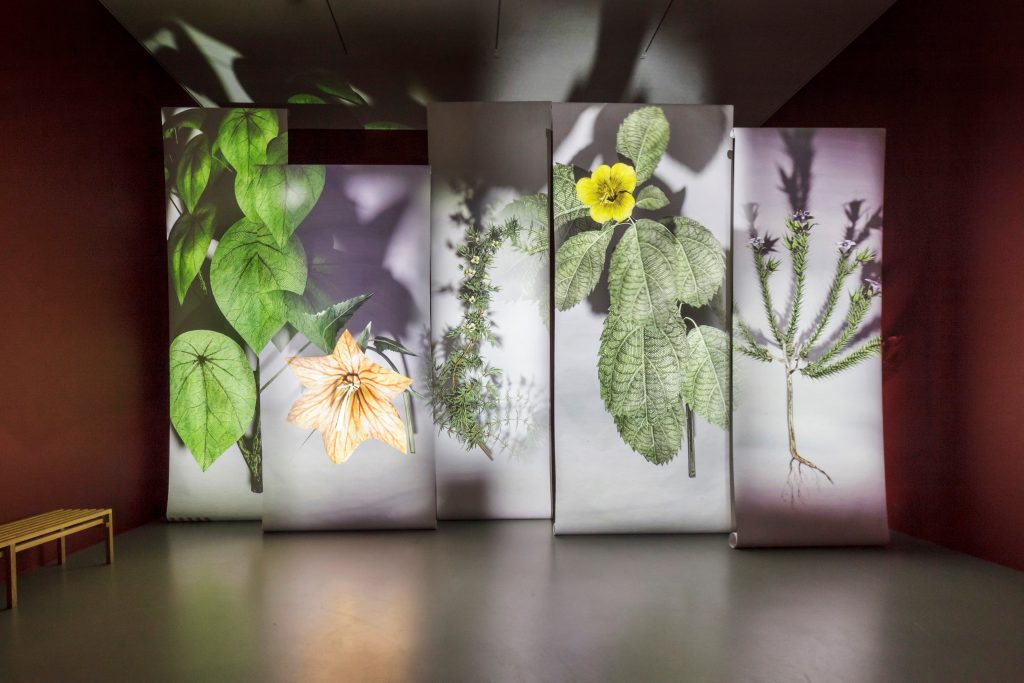
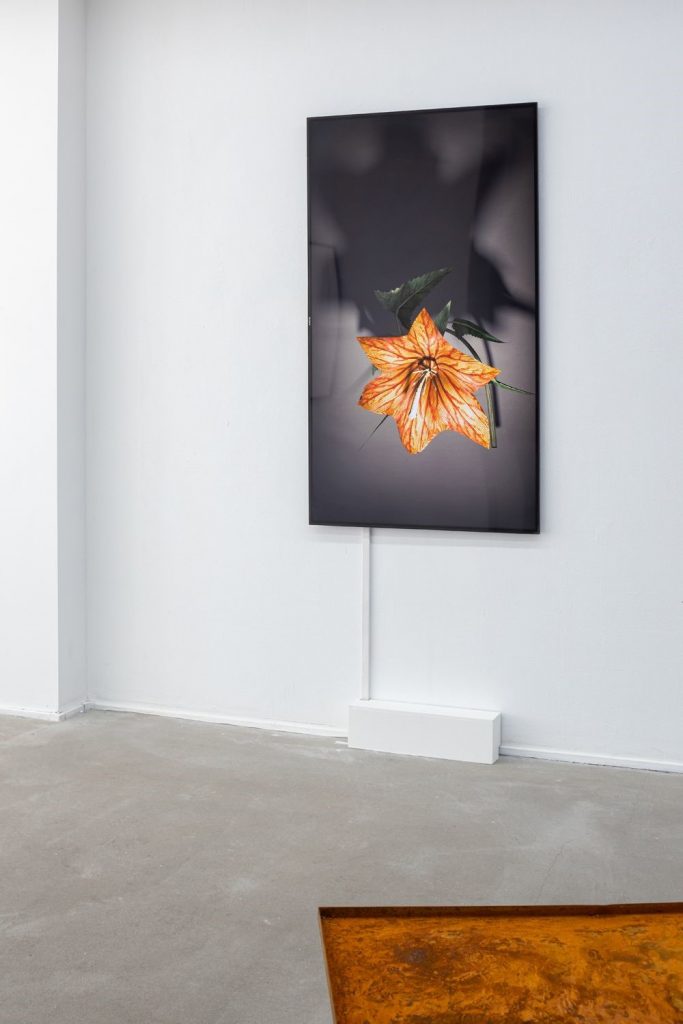
In the video work by Lukács & Broersen, we see a series of hyper-realistic, virtual, dancing plants, inspired by Linnaeus’ rendering of George Clifford III’s tropical plant collection. Yet the animated plants in this video artwork do not appear 100% real. As a viewer, you experience a certain alienation that might be related to the uncanny valley effect — that uneasy feeling we get when a robot looks too much like a human being, but also not quite enough. In this work, the natural and the virtual enter into a relationship that the viewer experiences as unnatural. The flowers and plants move gently at first, as if they are moved by a gentle breeze. After a while, the movements become increasingly fierce and menacing, as if the plants are trying to escape from their imposed straitjacket. The choreography isn’t coincidental and was programmed based on the movements of rebellious crowds and forces of nature. These movements contrast with the static representations that Linnaeus immortalised in his ‘Hortus Cliffortianus’. The compelling piano music of concert pianist Daria van den Bercken is abruptly followed by protest music by the American revolutionary and composer Frederic Rzewski, who passed away last year. The chosen compositions border on the atonal, which we tend to experience as unnatural. Moreover, the music is not synchronised with the video, so every time you watch the work, you will see a different combination of visuals and sound.
In their work, Margit Lukács & Persijn Broersen play with different fields of tension. On the one hand, they are concerned with the ways in which fiction dictates reality, and vice versa. On the other hand, they look at the relationship between people and their immediate environment: nature, but also society at large. How is this relationship influenced by the large amount of media that we consume on a daily basis, consciously and unconsciously? The artists want to show how reality, fiction and (mass) media are intrinsically intertwined. They emphasise this by combining filmed or photographed footage with digital animation and images from the media. Their works often function as parallel worlds, that tend to reflect our society and visual culture. Lukács & Broersen are particularly interested in the ways in which people experience and construct nature. They refer to subjects like endless reproduction and our focus on the ornamental and the superficial. Because although our screens are borderless and timeless, they also offer a flattened reality. And we are spending more and more time in our virtual worlds, which in turn affects the way we relate to nature.
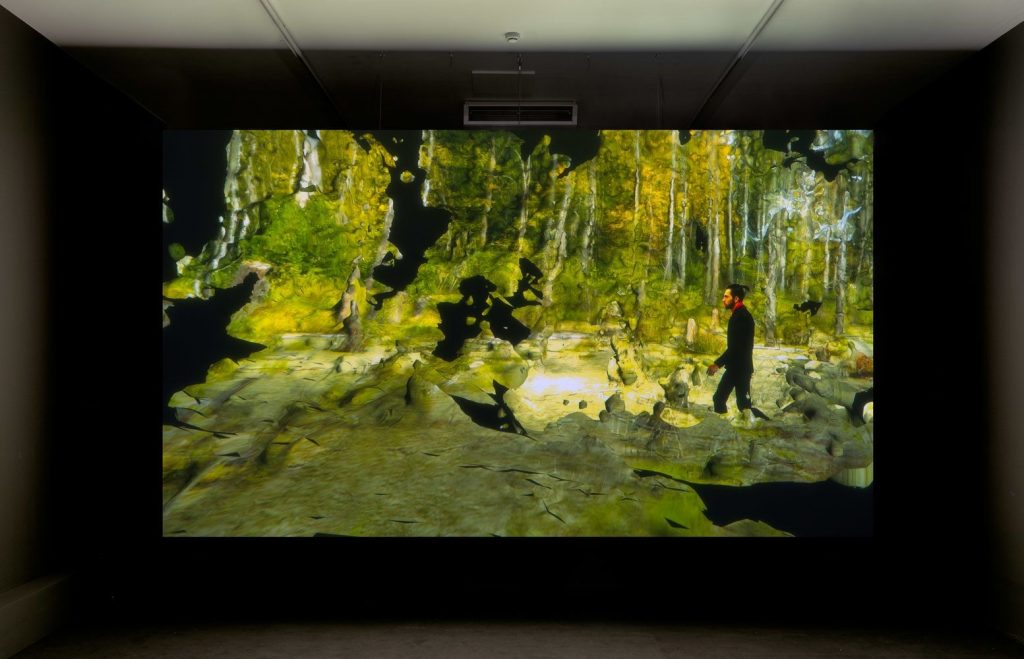
Our disturbed relationship with nature also emerges in an interesting way in their earlier video artwork “Forest on Location” (2018). For this work, the artists traveled to the 11,800-year-old Białowieża Forest on the border of Poland and Belarus. The forest is classified as UNESCO World Heritage and it has been a source of inspiration for myths, legends and fairy tales for centuries now. However, due to large-scale logging, the forest is becoming significantly smaller. Lukács & Broersen shot footage on location and then created a kind of digital “backup”. They subsequently transformed the 2D photo images into a 3D experience that almost resembles a computer game. They added a performance by the Iranian opera singer Shahram Yazdani, who tells of a wise tree addressing a lost boy. The video work offers a stark contrast to our real relationship with nature, in which humans claim all of the power, in which nature is primarily seen as a commodity. As the film progresses, the magical and mysterious forest gradually turns into a more deconstructed and fragmented digital representation.
Lukács & Broersen have been collaborating since 2001. They both studied graphic design at the Gerrit Rietveld Academy, followed by a study in Fine Arts and Design at the Sandberg Institute. The duo then completed residencies at the Chinese European Art Center, The International Artists Studio Program in Stockholm, the Rijksakademie van Beeldende Kunsten in Amsterdam and Künstlerhaus Bethanien in Berlin, among others. Their work has been shown in various museums, (film) festivals and television broadcasts all over the world, from Centre Pompidou, Foam, IFFR, the New York Film Festival and Lowlands to the World Expo Shanghai, Rencontres d’Arles and the Sydney Biennale. Lukács & Broersen created a site-specific work for the elevator of the Stedelijk Museum as well as a work for the North-South subway line in Amsterdam. In addition to films, animations and videos, the artist duo also makes photographs, screen prints and murals.
During Art Rotterdam, the work of Margit Lukács & Persijn Broersen will be on show in the Projections presentation in the AKINCI booth.
The video artwork ‘Fix the Variable, Exclude the Accidental, Eliminate the Impure, Unravel the Tangled, Discover the Unknown’ was commissioned by the Centraal Museum and is also part of the museum’s collection. The work will also be on show in the exhibition ‘The Botanical Revolution’ until 1 May. The title of the work refers to a quote by Johann Wolfgang von Goethe and is part of his search of the essence of the pure phenomenon.
Tijdens Art Rotterdam tref je het werk van honderden kunstenaars van over de hele wereld. In deze reeks lichten we een aantal kunstenaars uit die bijzonder werk tonen tijdens de beurs.
De geliefde videosectie Projections wordt dit jaar getransformeerd: in plaats van één ruimte met videopresentaties vind je deze werken nu verspreid over de beurs, in speciaal gereserveerde videoruimtes in de booths van verschillende galeries. AKINCI toont bijvoorbeeld een prikkelend videokunstwerk van het kunstenaarsduo Margit Lukács & Persijn Broersen: ‘Fix the Variable, Exclude the Accidental, Eliminate the Impure, Unravel the Tangled, Discover the Unknown’ (2021).
Voor dit werk liet Nederlandse kunstenaarsduo zich inspireren door de beroemde Zweedse natuuronderzoeker Carolus Linnaeus: de eerste wetenschapper die een uniform systeem bedacht om levende organismen als planten en dieren te classificeren — in feite een manier om controle uit te oefenen op de natuur. Linnaeus had een bijzondere band met de toenmalige ‘Republiek der Zeven Verenigde Nederlanden’, waar hij zijn studie medicijnen afrondde en verschillende boeken en artikelen schreef, waaronder zijn beroemde ‘Systema Naturae’ (1735—). Hij was bovendien lijfarts van de rijke bankier en VOC-directeur George Clifford III, een baan die Linnaeus combineerde met een rol als supervisor van diens botanische tuin en dierentuin. Want Clifford had honderden plantensoorten meegenomen tijdens zijn vele reizen, net als tijgers, apen, verschillende vogelsoorten en Indische herten. Linnaeus was met name gefascineerd door de buitenlandse planten uit de collectie en deelde die in in zijn ‘Hortus Cliffortianus’ (1937). Als je met hedendaagse ogen naar Linnaeus’ classificatiesysteem kijkt dan is dat systeem natuurlijk helemaal niet zo objectief, bijvoorbeeld als je kijkt naar hoe hij menselijke “variëteiten” beschreef — hij gebruikte het woord ras niet. Maar ook als je kijkt naar zijn weergaven van tropische plantsoorten, die hij niet neutraal beschreef, maar juist als een geïdealiseerde versie. En dat is opvallend omdat Linnaeus zijn rigide systeem juist beschouwde als het summum van objectiviteit.
In het videowerk van Lukács & Broersen zien we een reeks hyperrealistische, virtuele, dansende planten, geïnspireerd op Linnaeus’ weergave van de tropische plantencollectie van George Clifford III. Toch ogen de geanimeerde planten in dit videokunstwerk nét niet echt, waardoor je als kijker een bepaalde vervreemding voelt die misschien te vergelijken is met het uncanny valley effect — het onbehaaglijke gevoel dat we krijgen als een robot teveel op een mens lijkt, maar ook nét niet genoeg. Het natuurlijke en het virtuele gaan in dit werk een relatie aan die je als kijker als onnatuurlijk ervaart. De bloemen en planten in de video bewegen eerst zacht, alsof ze enkel in beweging worden gebracht door een zacht briesje. Na een tijdje worden de bewegingen steeds woester en dreigender, alsof de planten proberen te ontsnappen uit hun opgelegde keurslijf. De choreografie achter de beweging is niet toevallig en is geprogrammeerd op basis van de bewegingen van opstandige menigten en natuurkrachten. Deze bewegingen staan in contrast met de statische weergaven die Linnaeus vereeuwigde in zijn ‘Hortus Cliffortianus’. De meeslepende pianomuziek van concertpianist Daria van den Bercken wordt in het videowerk abrupt opgevolgd door protestmuziek van de Amerikaanse revolutionair en componist Frederic Rzewski, die vorig jaar overleed. De gekozen composities grenzen aan het atonale, dat door luisteraars vaak als onnatuurlijk wordt ervaren. De muziek loopt bovendien niet synchroon met de beelden, waardoor je iedere keer net een andere combinatie van beeld en geluid zult zien.
Margit Lukács & Persijn Broersen spelen in hun werk met verschillende spanningsvelden. Ze houden zich enerzijds bezig met de manieren waarop fictie de realiteit dicteert, en vice versa. Anderzijds kijken ze naar de relatie tussen mensen en hun directe omgeving: de natuur, maar ook de samenleving. Hoe wordt deze relatie beïnvloed door de grote hoeveelheid aan media die we dagelijks, bewust en onbewust, consumeren? De kunstenaars willen in hun werk laten zien hoe realiteit, fictie en (massa)media intrinsiek met elkaar verweven zijn. Dat benadrukken ze door gefilmd of gefotografeerd beeldmateriaal te combineren met digitale animatie en beelden uit de media. Hun werken vormen zelf ook vaak parallelle werelden, die meestal een afspiegeling vormen van onze maatschappij en visuele cultuur. Ze zijn daarbij in het bijzonder geïnteresseerd in de manieren waarop mensen natuur ervaren en construeren. De kunstenaars benoemen daarbij onderwerpen als eindeloze reproductie en onze focus op sierlijkheid en oppervlakkigheid. Want hoewel onze schermen grenzenloos en tijdloos zijn bieden ze ook een afgeplatte werkelijkheid. En we brengen steeds meer tijd door in onze virtuele werelden, wat ook weer invloed heeft op de manier waarop we ons verhouden tot de natuur.
Onze verstoorde relatie met de natuur komt ook op interessante wijze naar voren in hun eerdere videokunstwerk ‘Forest on Location’ (2018). De kunstenaars reisden daarvoor af naar het 11.800 jaar oude het Białowieża-bos op de grens van Polen en Wit-Rusland. Het bos heeft een UNESCO-werelderfgoedstatus en vormt al eeuwenlang een bron van inspiratie voor mythen, legendes en sprookjes. Grootschalige houtkap zorgt er echter voor dat het bos steeds kleiner wordt. Lukács & Broersen schoten beeldmateriaal op locatie en creëerden daarna een soort digitale “back-up”. Ze transformeerden de 2D-fotobeelden vervolgens naar een 3D-ervaring die nog het meeste weg heeft van een game. Daar voegden ze vervolgens een optreden van de Iraanse operazanger Shahram Yazdani aan toe, die verhaalt over een wijze boom die een verdwaalde jongen toespreekt. Het vormt een zeker contrast met onze werkelijke relatie met de natuur, waarin mensen zich alle macht toe-eigenen en de natuur vooral gezien wordt als handelswaar. Naarmate de film vordert, verandert het magische en mysterieuze bos langzaamaan in een meer gedeconstrueerde en gefragmenteerde digitale weergave.
Lukács & Broersen werken sinds 2001 samen. Ze studeerden allebei grafisch design aan de Gerrit Rietveld Academie, gevolgd door een studie in Fine Arts and Design aan het Sandberg Instituut. Daarna voltooide het duo residenties aan onder andere het Chinese European Art Center, The International Artists Studio Program in Stockholm, de Rijksakademie van Beeldende Kunsten in Amsterdam en Künstlerhaus Bethanien in Berlijn. Hun werk was te zien in verschillende musea, (film)festivals en televisieuitzendingen over de hele wereld, van Centre Pompidou, Foam, IFFR, het New York Film Festival en Lowlands tot de World Expo Shanghai, Rencontres d’Arles en de Sydney Biennale. Lukács & Broersen creëerden onder meer een site-specifiek werk voor de lift van het Stedelijk Museum en een werk voor de Noord-Zuidlijn in Amsterdam. Het kunstenaarsduo maakt naast films, animaties en video’s ook foto’s, zeefdrukken en wandwerken.
Tijdens Art Rotterdam is het werk van Margit Lukács & Persijn Broersen te zien in de Projections-presentatie in de booth van AKINCI.
Het videokunstwerk ‘Fix the Variable, Exclude the Accidental, Eliminate the Impure, Unravel the Tangled, Discover the Unknown’ werd gemaakt in opdracht van het Centraal Museum en is ook opgenomen in de collectie van het museum. Het werk is nog tot en met 1 mei te zien in de tentoonstelling ‘De botanische revolutie’. De titel (‘Repareer de variabele, sluit het toevallige uit, elimineer het onzuivere, ontrafel het verwarde, ontdek het onbekende’) verwijst overigens naar een citaat van Johann Wolfgang von Goethe, in zijn zoektocht naar de essentie van het pure verschijnsel.
During Art Rotterdam, you will see the work of hundreds of artists from all over the world. In this series, we highlight a number of artists who will show remarkable work during the fair.
Dutch artist and photographer Viviane Sassen was born in Amsterdam, but she spent three years in Kenya before she was six years old. It explains why Africa has long been a recurring element in her work, in particular the work she created before 2018. Sassen did not express herself in Western stereotypes about Africa, rather she emphasised contemporary elements from African culture. She usually works with sharp silhouettes, lots of shadows and saturated colours and her characters almost always remain anonymous. In the past few years, Sassen created two new series: “Venus & Mercury” (2019-2020) and “Paint Studies” (2021).
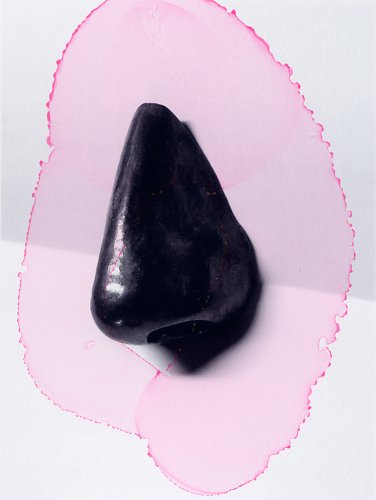
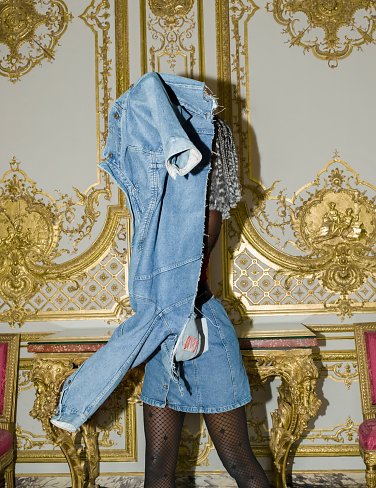
For “Venus & Mercury”, the artist found a surprising source of inspiration: the French court in Versailles, commissioned by the famous palace that has assumed near-mythical proportions in our collective imagination. Every year since 2008, Versailles has invited a contemporary artist to comment on the palace and the surrounding gardens. These artists include Anish Kapoor, Olafur Eliasson, Guiseppe Penone and Jeff Koons. In 2019, the honour was awarded to five photographers, including Nan Goldin and Martin Parr. Sassen was one of these five photographers and she was given access to Versailles for six months. She made use of the palace’s archives, as well as the architecture and artifacts of the palace. Sassen expressed a particular interest in the invisible stories, the scandals and the excess of sex, symbolised by Venus: the goddess of love. The result is a series of works in which old and new elements are combined. The artist collaborated with a group of young women who grew up in the Versailles area. They are depicted in contemporary clothing, while they seem to (literally) disappear in the opulence of the palace. Occasionally, the works represent personal details, including letters from Marie-Antoinette and references to prosthetic noses — since syphilis, a widespread disease, caused severe deformities of aristocratic noses. The name ‘Mercury’ in the title of the series therefore refers both to the Roman god Mercury and the poisonous substance mercury that was used to treat syphilis.
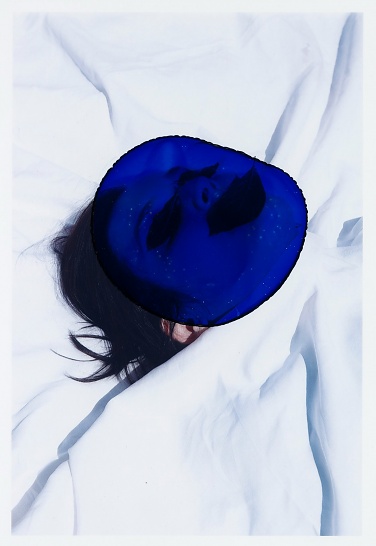
Sassen’s visual language recently underwent a transformation when she worked on her latest series “Paint Studies”. In it, she explored new combinations of ink, paint and collage. Because her work is still characterised by sculptural representations of bodies, her pieces are still quite recognisable. But the bodies are more surreal, more fragmented and the end result more abstract, due to the addition of intense and unnatural areas of colour and concealing brushstrokes. Her characters remain anonymous.
Sassen initially studied fashion design, followed by a degree in photography at the HKU and a master’s degree at Ateliers Arnhem. Sassen works both as a fashion photographer — for companies like Miu Miu, Stella McCartney and Louis Vuitton and magazines like i-D and Dazed & Confused — and as a visual artist. In 2007, Sassen won the prestigious Prix de Rome, followed by an Infinity Award from the International Center of Photography in New York in 2011. In 2015 she also received the David Octavius Hill Medal from the Deutsche Fotografische Akademie and in the same year she was nominated for the Deutsche Börse Photography Prize.
Sassen’s work has previously been shown in the main exhibition of the Venice Biennale (2013), at the MoMA in New York, The Photographers’ Gallery in London, the Museum of Contemporary Photography in Chicago, The Central Academy of Fine Arts in Beijing, Fotografiska in Stockholm, the Scottish National Portrait Gallery, Huis Marseille, the Nederlands Fotomuseum and Rencontres d’Arles. Her work is currently on show in a solo exhibition at Fotomuseum Winterthur in Switzerland (until 29 May).
During Art Rotterdam, Viviane Sassen’s work will be on display in the booth of STEVENSON.
Tijdens Art Rotterdam tref je het werk van honderden kunstenaars van over de hele wereld. In deze reeks lichten we een aantal kunstenaars uit die bijzonder werk tonen tijdens de beurs.
De Nederlandse kunstenaar en fotograaf Viviane Sassen werd geboren in Amsterdam woonde tussen haar tweede en vijfde jaar in Kenia. Het verklaart waarom Afrika lang een terugkerend element was in haar werk, met name het werk dat ze voor 2018 maakte. Sassen drukt zich daarin niet uit in westerse stereotypen over Afrika, maar legt juist de nadruk op eigentijdse elementen uit de Afrikaanse cultuur. Ze werkte daarvoor meestal met scherpe silhouetten, veel schaduwwerking en verzadigde kleuren en haar personages bleven vrijwel altijd anoniem. In de afgelopen paar jaar maakte Sassen twee nieuwe series: ‘Venus & Mercury’ (2019-2020) en ‘Paint Studies’ (2021).
Voor ‘Venus & Mercury’ vond de kunstenaar een verrassende inspiratiebron: het Franse hof in Versailles, in opdracht van het beroemde paleis dat haast mythische proporties heeft aangenomen in onze collectieve verbeelding. Sinds 2008 nodigt Versailles ieder jaar een hedendaagse kunstenaar uit om te reageren op het paleis en de omringende tuinen. Eerder waren dat onder meer Anish Kapoor, Olafur Eliasson, Guiseppe Penone en Jeff Koons. In 2019 werd de eer vergeven aan vijf fotografen, waaronder Nan Goldin en Martin Parr. Sassen was één van deze vijf fotografen en ze kreeg daarmee zes maanden lang toegang tot Versailles. Ze maakte gebruik van de archieven van het paleis, maar ook van de aanwezige architectuur en artefacten. De kunstenaar was daarbij vooral op zoek naar de onzichtbare verhalen, de schandalen en de overdaad aan seks: gesymboliseerd door Venus, de godin van de liefde. Het resultaat is een reeks werken waarin oude en nieuwe elementen gecombineerd worden. Sassen werkte voor deze serie bovendien samen met een groep jonge vrouwen die opgroeide in de omgeving van Versailles. Ze worden afgebeeld in hedendaagse kleding, terwijl ze letterlijk lijken te verdwijnen in de overdadigheid van het paleis. Soms vertegenwoordigen de werken persoonlijke details, waaronder brieven van Marie-Antoinette en verwijzingen naar neusprotheses — de wijdverspreide ziekte syfilis zorgde immers voor hevige misvormingen van adellijke neuzen. De naam ‘Mercury’ in de titel van de serie refereert daardoor zowel aan de Romeinse god Mercurius als aan het giftige middel kwikzilver (in het Engels: ‘mercury’) waarmee syfilis behandeld werd.
Sassens beeldtaal onderging recentelijk een transformatie, toen ze werkte aan haar nieuwste serie ‘Paint Studies’. Ze verkende daarvoor nieuwe combinaties van inkt, verf en collage. De sculpturale verbeeldingen van lichamen maken dat haar werk nog steeds herkenbaar is, maar de lichamen zijn surreëler, sterker gefragmenteerd en het eindresultaat abstracter door de toevoeging van intense, onnatuurlijke kleurvlakken en verhullende kwaststreken. Haar personages blijven veelal anoniem.
Sassen studeerde aanvankelijk fashion design, gevolgd door een studie in fotografie aan de HKU en een master aan Ateliers Arnhem. Sassen is zowel werkzaam als modefotograaf — voor bedrijven als Miu Miu, Stella McCartney en Louis Vuitton en tijdschriften als i-D en Dazed & Confused — en als beeldend kunstenaar. In 2007 sleepte Sassen de prestigieuze Prix de Rome in de wacht, gevolgd door een Infinity Award van het International Center of Photography in New York in 2011. In 2015 ontving ze bovendien de David Octavius Hill-medaille van de Deutsche Fotografische Akademie en in datzelfde jaar werd ze genomineerd voor de Deutsche Börse Photography Prize.
Het werk van Sassen was eerder onder meer te zien in de hoofdtentoonstelling van de Biënnale van Venetië (2013), in het MoMA in New York, The Photographers’ Gallery in Londen, het Museum of Contemporary Photography in Chicago, The Central Academy of Fine Arts in Beijing, Fotografiska in Stockholm, de Scottish National Portrait Gallery, Huis Marseille, het Nederlands Fotomuseum en Rencontres d’Arles. Tot en met 29 mei is haar werk ook te zien in een solotentoonstelling in Fotomuseum Winterthur in Zwitserland.
Tijdens Art Rotterdam zal het werk van Viviane Sassen te zien zijn in de booth van STEVENSON.
During Art Rotterdam, you will see the work of hundreds of artists from all over the world. In this series, we highlight a number of artists who will show remarkable work during the fair.
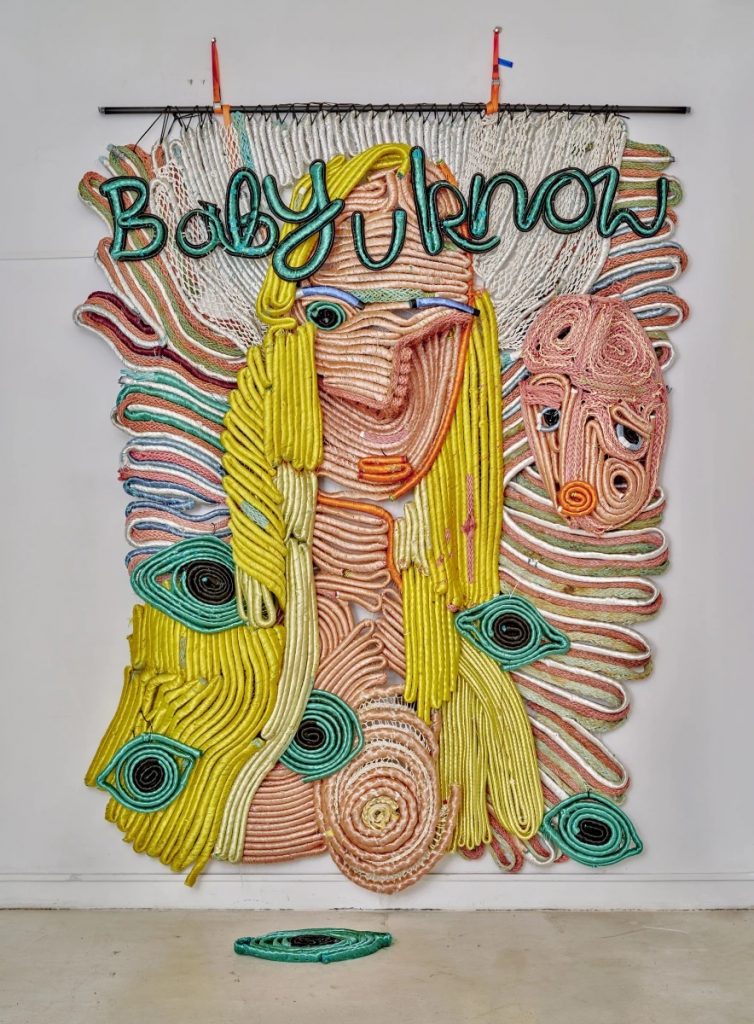
When the German artist Joana Schneider moved from Munich to The Hague, she immediately fell in love with the sea, purely because she had rarely seen it before then. She started studying fashion at the Royal Academy of Art, but she wasn’t sure yet where she wanted to end up. When she discovered the ‘Textile and Fashion’ department at the same institute, the pieces started to fall into place and in 2018, Schneider graduated as a textile designer. In the harbour, she became more familiar with the nets that were being used by the fishermen. She was surprised to find that these ropes and nets are only in use for two weeks, only to be thrown away. She decided to specialise in processing the heavy, stiff material and has since developed various techniques for that. She enlisted the help of fishermen and craftsmen in Scheveningen and Katwijk, who introduced her to their unique knotting and weaving techniques. She then combines these techniques with contemporary techniques and other crafts such as traditional roofing with thatch. For her graduation project at the KABK, Schneider received the Keep an Eye Textile & Fashion Award.
Schneider’s work conveys a deep appreciation for craftsmanship, for the creativity of people who work with their hands. Indirectly, she also plays with gender norms, by combining “feminine” materials (textiles) and physically demanding “masculine” crafts. The raw yet flexible material is a guiding factor within the work. She makes large works of rope and recycled yarn, a labour-intensive process. Some works require as many as thirty thousand stitches! When Schneider edits the material, her background in textile design comes to the fore. She’ll use techniques such as embroidery, passementerie and weaving tapestries. Her practice is also developing in a technical sense: Schneider has been experimenting with special machines for years. Within the artistic process, there is enough room for a certain spontaneity and intuition.
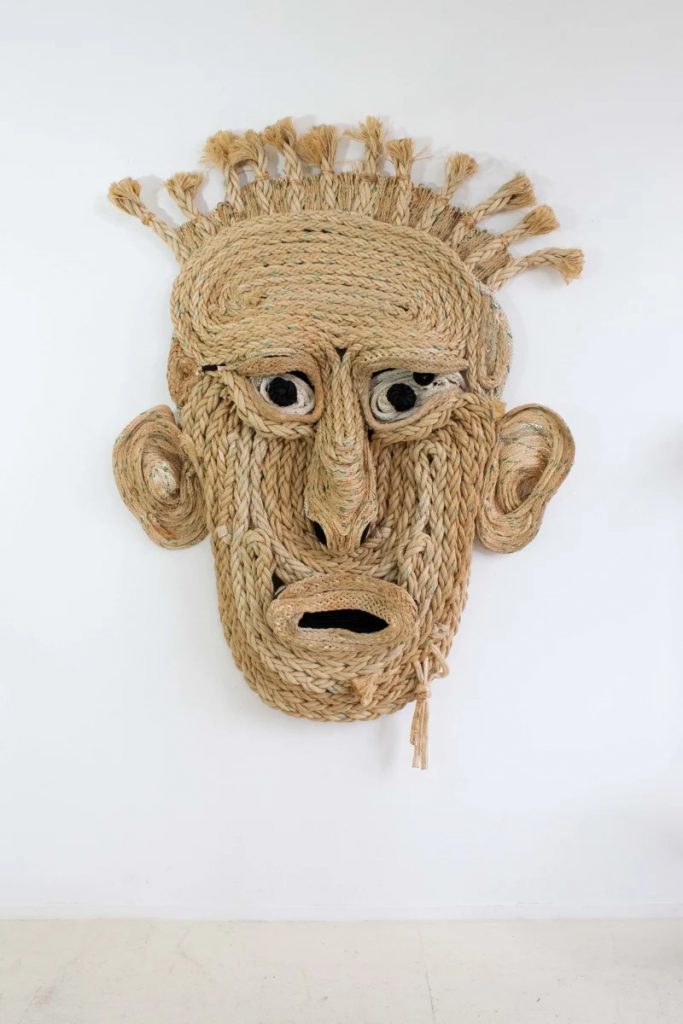
Schneider’s brightly coloured, theatrical and occasionally eery faces immediately evoke a reaction in the viewer. Sustainability is a keyword in her practice, and she makes a concerted effort to keep her ecological footprint as small as possible, while also taking the transport of the large-scale installations into account. The fragrant material of her works still bears the traces of the sea. That way, the artist is able to ask questions about environmental pollution and our own ecological footprint. By reusing the nets and ropes, she ensures that there is less waste in the sea, waste that could otherwise pose a danger to the marine animals that could get entangled in them.
For her newer work, Schneider is inspired by a multitude of sources. During Art Rotterdam, she shows a work in which she speaks out about the motherhood style of certain influencers in the digital age, while she is visually stimulated by the paintings from a church in Munich. Sometimes, Joana’s work is combined with that of her sister Leonie Schneider, who is also represented by Rademakers Gallery. For some works they were both inspired by the same subject: their grandmother’s house in Bavaria.
Schneider’s work has been included in the collections of Deloitte, the Stedelijk Museum Amsterdam, Museum Aalborg in Denmark and the Lakeside Art Collection, a collection that is currently on display (in part) in a rented compartment in the depot of Museum Boijmans van Beuningen. During Art Rotterdam, Joana Schneider’s will be shown in the booth of Rademakers Gallery and in the Prospects exhibition of the Mondriaan Fund. For the 10th time in a row, the Mondriaan Fund presents the work of 88 emerging artists here. In 2020, all of these artists received a financial contribution from the Mondriaan Fund to make a start in their career.
Tijdens Art Rotterdam tref je het werk van honderden kunstenaars van over de hele wereld. In deze reeks lichten we een aantal kunstenaars uit die bijzonder werk tonen tijdens de beurs.
Toen de Duitse kunstenaar Joana Schneider van München naar Den Haag verhuisde werd ze meteen verliefd op de zee, puur omdat ze daar tot die tijd zo weinig mee in aanraking was gekomen. Ze begon aan een studie mode aan de Koninklijke Academie van Beeldende Kunsten, maar ze was nog erg zoekende. Toen ze de opleiding ‘Textiel en Mode’ aan hetzelfde instituut ontdekte begonnen de stukjes beter op hun plek te vallen en in 2018 studeerde Schneider af als textielontwerper. In de haven maakte ze kennis met de netten die de vissers gebruikten en ze constateerde tot haar verbazing dat deze touwen en netten slechts twee weken in gebruik zijn, om vervolgens te worden weggegooid. Ze besloot zich te specialiseren in het bewerken van het zware, stugge materiaal en heeft daarvoor inmiddels verschillende technieken ontwikkeld. Ze schakelde daarbij de hulp in van vissers en ambachtslieden in Scheveningen en Katwijk, die haar bekend maakten met hun unieke knoop- en weeftechnieken. Ze combineert die technieken vervolgens met hedendaagse technieken en andere ambachten als traditioneel dakdekken met riet. Met haar afstudeerproject aan de KABK sleepte Schneider meteen de Keep an Eye Textile & Fashion Award in de wacht.
Het werk van Schneider straalt een diepe waardering uit voor klassieke ambacht, voor de creativiteit van mensen die met hun handen werken. Indirect speelt ze ook met gendernormen, door “vrouwelijke” materialen (textiel) en fysiek zware “mannelijke” ambachten te combineren. Het ruwe doch flexibele materiaal is een sturende factor binnen het werk. Ze maakt daarmee grote werken van touw en gerecycled garen, een arbeidsintensief proces. Sommige werken vereisen maar liefst dertigduizend steken! Als ze het materiaal bewerkt komt haar achtergrond in textieldesign naar boven. Ze maakt bijvoorbeeld gebruik van technieken als borduren, passementerie en het weven van wandtapijten. Ook technisch ontwikkelt haar praktijk zich: Schneider experimenteert al jaren met speciale machines. Binnen het artistieke proces is er bovendien genoeg ruimte voor een bepaalde spontaniteit en intuïtie.
De felgekleurde, theatrale en soms griezelige gezichten van de kunstenaar roepen meteen een reactie op bij de kijker. Duurzaamheid is een keyword in het werk van Schneider, die haar ecologische voetafdruk zo klein mogelijk probeert te houden en daarbij ook rekening houdt met de transport van haar grootschalige installaties. Het geurende materiaal van haar werken draagt nog steeds de sporen van de zee. De kunstenaar stelt daarmee ook vragen over milieuvervuiling en onze eigen ecologische voetafdruk. Door de netten en touwen te hergebruiken zorgt ze voor minder afval in de zee, afval dat anders een gevaar vormt voor de zeedieren die er in verstrikt kunnen raken.
Voor haar nieuwere werk laat Schneider zich inspireren door een veelheid aan bronnen. Zo toont ze tijdens Art Rotterdam een werk waarin ze zich uitspreekt over het moederschap van bepaalde influencers in het digitale tijdperk, terwijl ze zich visueel laat prikkelen door schilderingen in een kerk in München. Soms wordt het werk van Joana gecombineerd met dat van haar zus Leonie Schneider, die ook vertegenwoordigd wordt door Rademakers Gallery. Voor sommige werken lieten ze zich beide inspireren door hetzelfde onderwerp: het huis van hun grootmoeder in Beieren.
Het werk van Schneider is onder meer opgenomen in de collecties van Deloitte, het Stedelijk Museum Amsterdam, Museum Aalborg in Denemarken en de Lakeside Art Collection, een collectie die op dit moment (deels) te zien is in een verhuurd compartiment in Depot Boijmans van Beuningen Museum.
Tijdens Art Rotterdam is het werk van Joana Schneider te zien in de booth van Rademakers Gallery en in de Prospects tentoonstelling van het Mondriaan Fonds. Voor de 10e keer op rij presenteert het Mondriaan Fonds hier het werk zien van 88 startende kunstenaars. Alle kunstenaars ontvingen in 2020 een financiële bijdrage van het Mondriaan Fonds om een start te maken met hun carrière.
During Art Rotterdam you can see the work of hundreds of artists from all over the world. In this series, we highlight a number of artists who will show remarkable work during the fair.
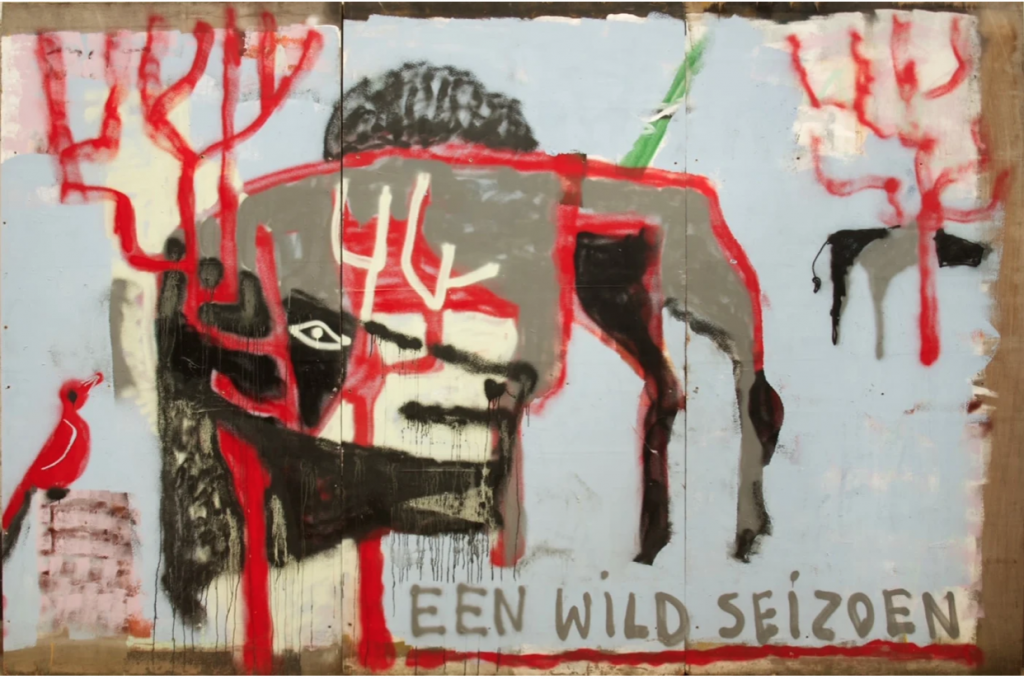
Not all artists thrive on a structured artist’s existence, in which the studio serves as a nearly magical safe haven, in which all of it has to take place. The Belgian artist Frederik Lizen, who has been working under the synonym En plein public since 2010, prefers to work outside. Usually in an urban context in Antwerp, where he lives and works. Within the city, he is mainly interested in the non-spaces and other types of grey public spaces. He prefers to paint his colourful works on the wooden fences that shield construction sites from the outside world, basically the opposite of a blank canvas. Sometimes Lizen takes the concept of ‘en plein air’ more literally, when he flees to the countryside. There, he exchanges his usual modus operandi — the use of spray paint, ink, collage and acrylic on monumental panels — for the more classical and small-scale use of watercolour and crayon on paper. The artist does have a studio, but he considers it more as a laboratory for experimentation, the place where he stores his materials. Perhaps his real studio is the gigantic building site on the Pelikaanstraat in Antwerp, where he came to an agreement with the project developer. It means that he is able to paint a hundred and fifty meter long wall of plywood panels.
As an artist, Lizen moves between two worlds, neither of which really feel like home: the world of contemporary painting and the world of graffiti. He prefers working in the public space because it literally brings his works to life. And it is precisely this changeability and spontaneity that are an essential part of the work. As soon as a work is left in the open air, Lizen loses control over it. The work is not only subject to weather conditions, but also to (street) artists and drunken students who paint over his work, or the police who sandblast or remove his work — as was the case when he made a critical work on the tragic fate of George Floyd, in which he also added references to the Belgian police, to indicate that it is not just an American problem. This socially critical approach is characteristic of his work, often executed with a good dose of humour. And it is precisely the limitations of working in the city that force the artist to work quickly with a limited number of materials. As a result, he developed a specific visual language.
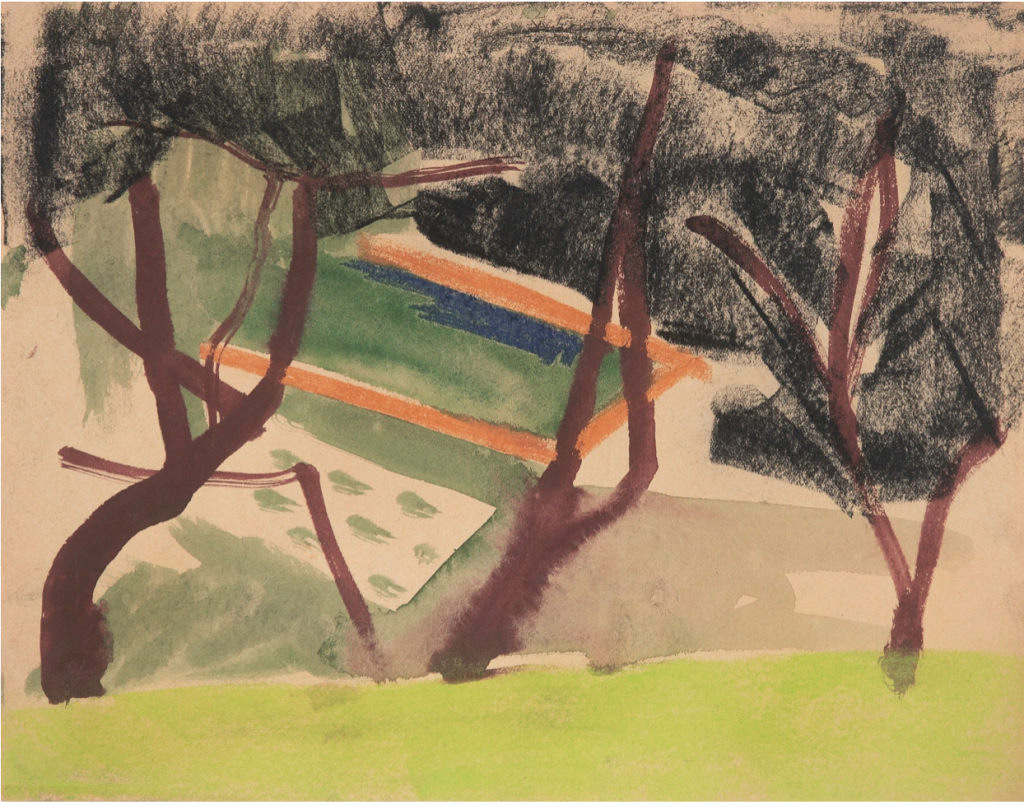
The conscious and unconscious adjustments to his work are an essential part of his working process. In many cases, Lizen returns to a particular work after a while, to continue working on it. Little remained of the work that read ‘I can’t breathe’ after the intervention of the police, but the remaining layers of paint suddenly imbued the panel with an abstract quality. Lizen then sold the work to a collector. Lifting the work from the public space to a white cube immediately provides it with a new context. But the artist himself determines which works are given an art context and which works end up in a waste container. Lizen’s work actually represents a certain democratic ideal: he invites people to intervene and that doesn’t stop with the creative process. In an interview with the Royal Museum of Fine Arts Antwerp, he noted that any buyer of his work has the freedom to continue working with it at will. Lizen: “If a work is sold, the owner can do what he wants with it: turn it into a cabinet or something… So the exhibition is not a final stage for me.”
Among other things, Lizen completed an Arteventura residency in Andalusia and he showed his work at SMAK during the Biennale Van België and in the Vebeke Foundation.
During Art Rotterdam, Frederik Lizen’s work will be shown in the Solo/Duo Section, presented by Geukens & De Vil.


