Coming soon
Coming soon
Selecteer type
Artists and Rotterdam residents shaping a sustainable city together
DHB Bank is once again the main sponsor of Art Rotterdam. This year, DHB Art Space presents South Forward, a continuation of the 2025 presentation Echoes of Us.
The project starts from a simple but powerful idea. Rotterdam South holds a wealth of knowledge, creativity and imagination that actively contributes to shaping the city’s future.
DHB Art Space functions as a place where art allows for other ways of seeing. Not by offering explanations or solutions, but by creating space for stories, imagination and everyday realities. It is within this space that dialogue can emerge. Encounters and exchanges that do not happen naturally, yet are essential for understanding one another, are made possible here.
Jeanthalou Haynes, curator at Unity in Diversity Rotterdam, reflects:
“Through our work at Unity in Diversity, we see Rotterdam South as a living source of stories. In many ways, it is the garden of Art Rotterdam: the neighbourhood surrounding Ahoy, where people work every day on coexistence, care and thinking ahead. With South Forward, we invite visitors to engage with the stories of the place they are in, and with the people who shape it.”
South Forward is developed in close collaboration with residents, artists and local initiatives from Rotterdam South. The project explores themes such as sustainability, community strength and everyday life, drawing from stories and practices that exist within the neighbourhoods themselves. This way of working together forms the core of the project.
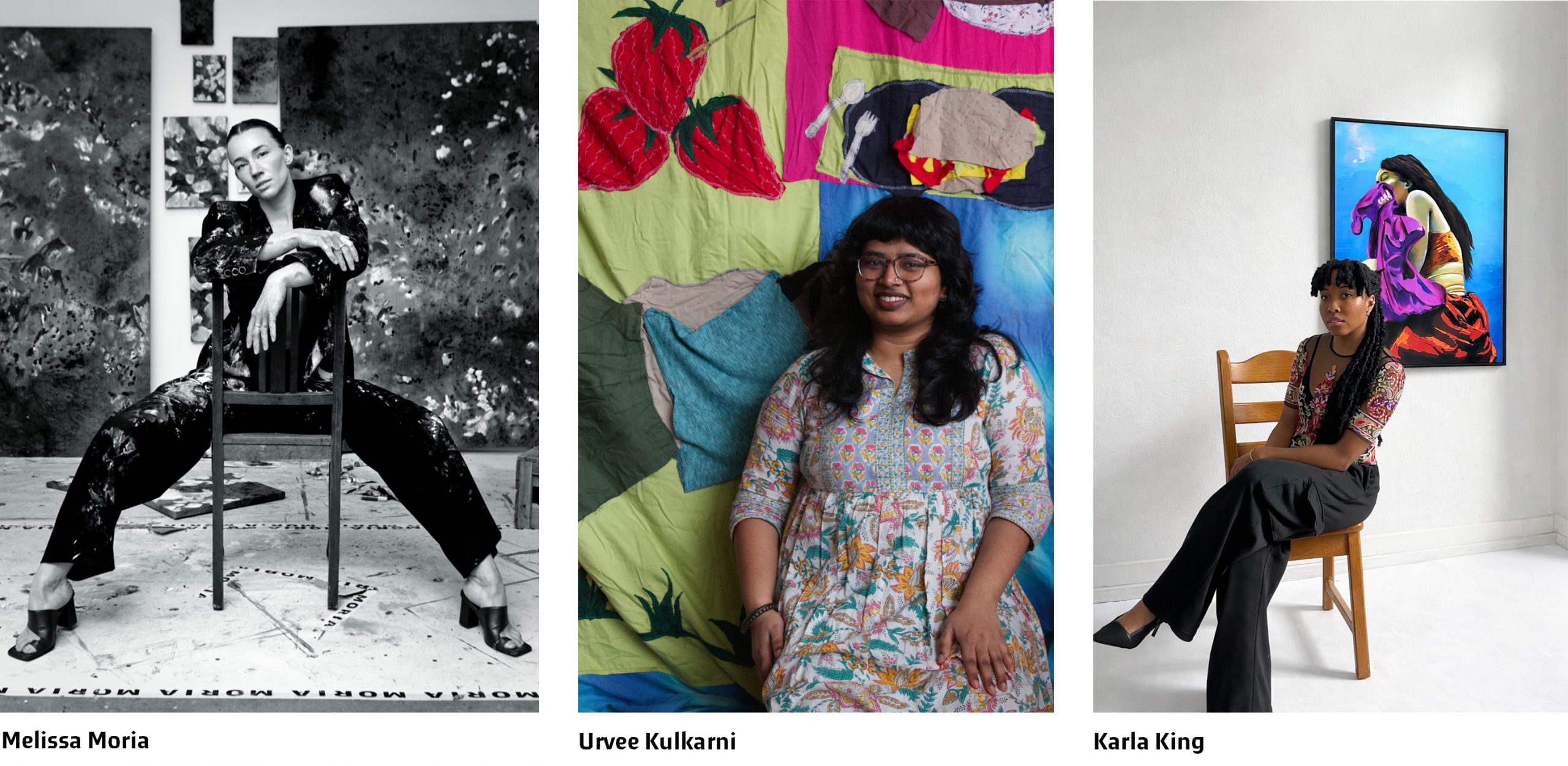
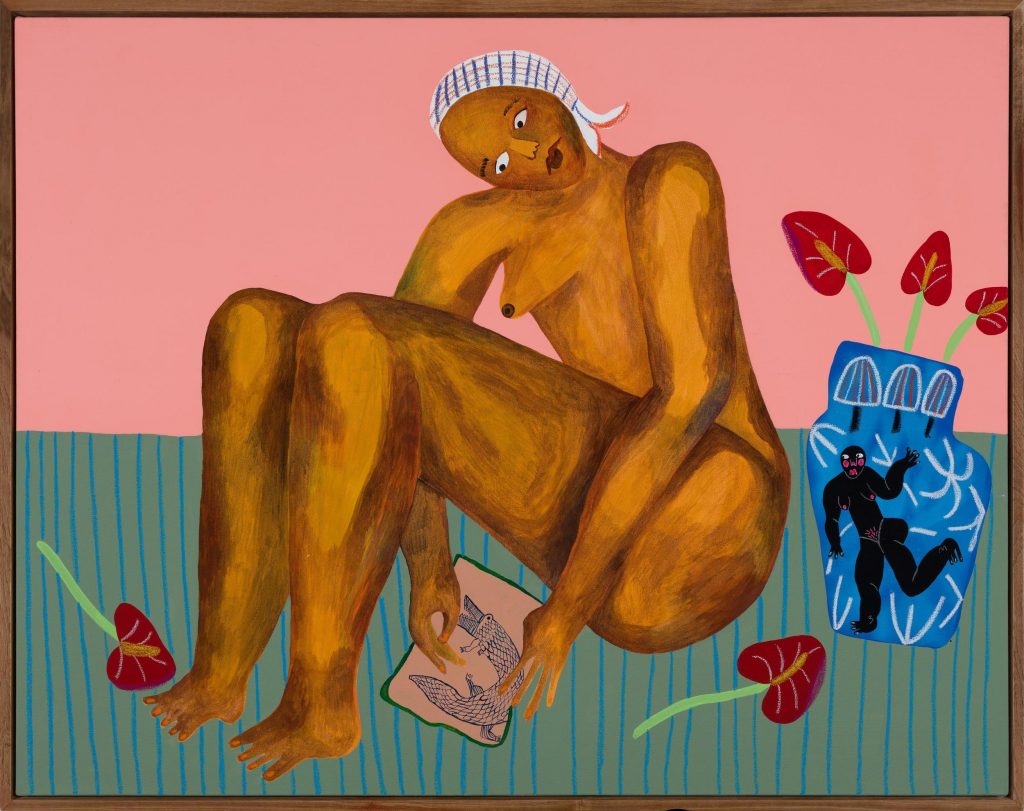
During Art Rotterdam 2026, DHB Art Space presents newly developed work by Karla King, Melissa Moria and Urvee Kulkarni. Each artist works from their own artistic practice, connecting artistic research, sustainable materials and local narratives. Their work opens up ways of imagining how care, community and living together can take form, now and in the future.
South Forward invites visitors not only to look, but to listen, to reflect and to enter into conversation with the stories that continue to shape life in Rotterdam South.
kunstenaars en Rotterdammers samen voor een duurzame stad
DHB Bank is opnieuw de trotse hoofdsponsor van Art Rotterdam. In de DHB Art Space is dit jaar het project South Forward te zien, een vervolg op de de presentatie van 2025 Echoes of Us
Het vertrekpunt is helder: Rotterdam Zuid bezit kennis, creativiteit en verbeeldingskracht die de toekomst mede vormgeven.
DHB Art Space is opgezet als een plek waar kunst ruimte maakt voor andere manieren van kijken. Niet door uitleg of oplossingen, maar door verhalen, verbeelding en geleefde ervaring. Binnen deze ruimte ontstaat ook ruimte voor gesprek: ontmoetingen en uitwisselingen die niet vanzelf plaatsvinden, maar die nodig zijn om elkaar beter te begrijpen.
Jeanthalou Haynes, curator Unity in Diversity Rotterdam: “Vanuit ons werk bij Unity in Diversity zien wij Rotterdam Zuid als een levende bron van verhalen. Als de spreekwoordelijke tuin van Art Rotterdam: de wijk rondom Ahoy waar dagelijks wordt gewerkt aan samenleven, zorg dragen en vooruitdenken. Met South Forward nemen we bezoekers mee naar die verhalen van de plek waar zij zich bevinden, naar de mensen die haar dragen.”
South Forward wordt ontwikkeld in nauwe samenwerking met bewoners, makers en lokale initiatieven uit Rotterdam Zuid. Het project richt zich op thema’s als duurzaamheid, gemeenschapskracht en het dagelijks leven, en is geworteld in echte verhalen uit de wijken zelf. Deze co-creatieve manier van werken vormt het hart van het project.
Tijdens Art Rotterdam 2026 presenteert DHB Art Space nieuw ontwikkeld werk van Karla King, Melissa Moria en Urvee Kulkarni. Elk van hen werkt vanuit een eigen artistieke praktijk en verbindt artistiek onderzoek, duurzame materialen en lokale verhalen tot werken die uitnodigen om te verbeelden hoe samenleven, zorg en gemeenschap vorm kunnen krijgen. Nu en in de toekomst.
South Forward nodigt bezoekers uit om niet alleen te kijken, maar ook te luisteren, in gesprek te gaan en zich te verhouden tot de verhalen die in Rotterdam Zuid leven.
During Art Rotterdam 2026, the NN Art Award will be presented for the tenth time, marking a special jubilee edition. The award is presented annually to talented artists who have completed a programme at a Dutch art institute and are showing work at Art Rotterdam. For ten years, the award has offered artists an important springboard. Prize winners have gone on to find their way into museums and collections both in the Netherlands and abroad. The NN Art Award represents a consistent and content-driven investment in the visibility and development of artistic talent. The winner will be announced during a festive evening at Kunsthal Rotterdam on Friday 27 March. Work by the four nominees will be on view there from 14 March until 25 May 2026 in a dedicated exhibition.
A sustainable partnership
Nationale-Nederlanden, part of NN Group, has been a partner of Art Rotterdam since 2017. In this capacity, they award an annual incentive prize to outstanding contemporary artistic talent. The focus is on artists with a distinct and innovative visual language. Their work often engages with social themes or stands out through a striking technical approach. The award is intended both for emerging talent and for artists who have already taken further steps in their careers. Thanks to multidisciplinary selection criteria, all media are eligible.
Room for development and visibility
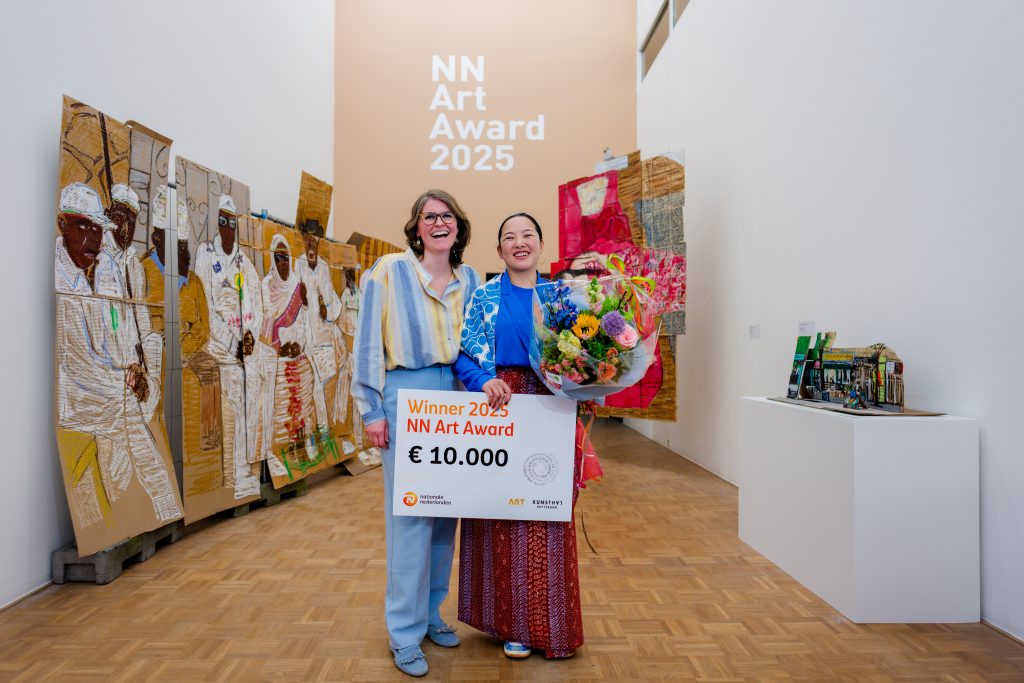
The winner receives a cash prize of €10,000, intended to further develop their practice and reach a wider audience. The nominees are once again given the opportunity to present their work at Kunsthal Rotterdam. The exhibition runs from 14 March until 25 May and attracted more than 24.000 visitors last year. In addition, all four nominees are featured in an article on GalleryViewer.com. Nationale-Nederlanden also acquires work by one or more of the nominees for the NN Art Collection.
The quality of Dutch art education
The NN Art Award draws attention to the high level of art education in the Netherlands. Artists from all over the world consciously seek out leading institutes such as the Rijksakademie van Beeldende Kunsten, De Ateliers, the Jan van Eyck Academie and the Piet Zwart Institute.
Looking back at 2025
At the previous edition, Pris Roos received the award. She is represented by Mini Galerie. Roos: “Winning the NN Art Award gave me the opportunity and the means to sharpen my goals and set up a second studio in Bogor, Indonesia, where my family originally comes from. Spending time in a city with a rich natural environment, frequent rainfall, a deeply rooted colonial history and diverse communities prompted deeper reflection. I want to approach my practice from different sensory and historical perspectives. I am already learning a great deal there from local residents, for example about the innovative ways in which they use plastic and paper in their daily routines, such as making a fan from plastic bottles. In Indonesia, I engage in conversations, observe and strengthen connections with local partners, both residents and institutions. Reflections from this period are already visible in my upcoming exhibitions at CODA Apeldoorn and Museum Limburg, in collaboration with Riboet Verhalenkunst. In addition, my first children’s book, ‘Toko van mijn ouders’, will be published this year. Thank you Nationale-Nederlanden, Art Rotterdam, Kunsthal and the jury members. It truly means so much for an artist to be able to tell your story.”
The jury
The selection is entrusted to a jury of art professionals that changes annually. The jury nominates four artists and subsequently selects the winner of the NN Art Award. The jury is interdisciplinary and brings together perspectives from different fields, including art journalists, curators, museum directors, artists, art collectors and the curator of the NN Art Collection. This year, the jury consists of:
Galleries participating in Art Rotterdam can nominate artists for the NN Art Award. In addition, the curator of the Prospects section of the Mondriaan Fund will once again put forward 5 artists this year, presenting a selection of the most promising talents in the exhibition.
The four nominees for the NN Art Award 2026 will be announced in early February.
Festive award ceremony at Kunsthal Rotterdam
The winner of the NN Art Award 2026 will be announced during a festive evening at Kunsthal Rotterdam on Friday 27 March. Following the ceremony, all exhibitions at the Kunsthal, including the NN Art Award presentation, will be freely accessible to attending guests.
About Nationale-Nederlanden
Nationale-Nederlanden (part of NN Group) is an international financial services provider with a long-standing tradition of supporting art and culture. NN is the main partner of Kunsthal Rotterdam and a partner of Art Rotterdam.
Written by Flor Linckens
Tijdens Art Rotterdam 2026 wordt voor de tiende keer de NN Art Award uitgereikt, een speciale jubileumeditie. De prijs wordt jaarlijks toegekend aan getalenteerde kunstenaars die een opleiding hebben afgerond aan een Nederlands instituut en werk tonen op Art Rotterdam. Al tien jaar lang biedt de prijs een belangrijke springplank voor kunstenaars. Prijswinnaars vonden hun weg naar musea en collecties in binnen- en buitenland. De NN Art Award is daarmee een consistente en inhoudelijke investering in de zichtbaarheid en ontwikkeling van artistiek talent. De winnaar wordt op vrijdag 27 maart bekendgemaakt tijdens een feestelijke avond in Kunsthal Rotterdam. Werk van de vier genomineerden is daar van 14 maart tot en met 25 mei 2026 te zien.
Een duurzaam partnerschap
Nationale-Nederlanden (onderdeel van NN Group) is sinds 2017 partner van Art Rotterdam en reikt in die hoedanigheid jaarlijks een stimuleringsprijs uit aan uitzonderlijk hedendaags kunsttalent. De focus ligt op kunstenaars met een eigen en vernieuwende beeldtaal. Deze kunstenaars verhouden zich vaak tot maatschappelijke thema’s of vallen juist op door hun bijzondere technische benadering. De award is er zowel voor nieuw talent als voor kunstenaars die al een volgende stap in hun carrière hebben gezet. Dankzij multidisciplinaire selectiecriteria komen alle media in aanmerking.
Ruimte voor ontwikkeling en zichtbaarheid
De winnaar ontvangt een geldbedrag van €10.000, bedoeld om diens werk verder te ontwikkelen en een breder publiek te bereiken. Dit jaar krijgen de genomineerden wederom de unieke kans om hun werk te tonen in Kunsthal Rotterdam. De tentoonstelling loopt dit jaar van 14 maart tot en met 25 mei en trok vorig jaar meer dan 24.000 bezoekers. Daarnaast worden alle vier de genomineerden uitgelicht in een artikel op GalleryViewer.com. Ook verwerft Nationale-Nederlanden werk van één of meerdere genomineerden voor de NN Kunstcollectie.
De kracht van Nederlandse kunstopleidingen
De NN Art Award vestigt de aandacht op het hoge niveau van kunstonderwijs in Nederland. Kunstenaars van over de hele wereld kiezen bewust voor toonaangevende instituten als de Rijksakademie van Beeldende Kunsten, De Ateliers, de Jan van Eyck Academie en het Piet Zwart Instituut.
Terugblik op 2025
Tijdens de vorige editie mocht Pris Roos de prijs in ontvangst nemen. Zij wordt vertegenwoordigd door Mini Galerie. Roos: “Door het winnen van de NN Art Award kreeg ik de mogelijkheid en de middelen om mijn doelen aan te scherpen om een tweede atelier op te zetten in Bogor, Indonesië, waar mijn familie oorspronkelijk vandaan komt. Het doorbrengen van tijd in een stad met een rijke natuurlijke omgeving, veel regenval, een diepgewortelde koloniale geschiedenis en uiteenlopende gemeenschappen heeft mij dieper laten nadenken. Ik wil mijn praktijk meer benaderen vanuit verschillende zintuiglijke en historische perspectieven. Ik leer daar veel van bewoners, bijvoorbeeld over de innovatieve manieren waarop zij plastic en papier gebruiken in hun dagelijkse routine, zoals het maken van een ventilator van plastic flessen. In Indonesië ga ik in gesprek, observeer ik en versterk ik contacten met lokale partners, zowel bewoners als instituten. Reflecties uit deze periode zijn dit jaar al terug te zien in mijn aankomende tentoonstellingen bij CODA Apeldoorn en Museum Limburg, in samenwerking met Riboet Verhalenkunst. Daarnaast verschijnt dit jaar mijn eerste kinderboek, ‘Toko van mijn ouders’. Dank je wel Nationale-Nederlanden, Art Rotterdam, Kunsthal, juryleden. Het betekent echt zoveel voor een kunstenaar om je verhaal te mogen vertellen.”
De jury
De selectie ligt in handen van een jaarlijks wisselende jury van professionals uit het kunstveld. Zij nomineren vier kunstenaars en bepalen gezamenlijk de winnaar van de NN Art Award. De jury is interdisciplinair samengesteld en brengt perspectieven samen van onder meer kunstjournalisten, conservatoren, museumdirecteuren, kunstenaars, kunstverzamelaars en de conservator van de NN Kunstcollectie. Dit jaar bestaat de jury uit:
Galeries die deelnemen aan Art Rotterdam kunnen kunstenaars voordragen voor de NN Art Award. Daarnaast levert de curator van de Prospects-sectie van het Mondriaan Fonds ook dit jaar weer 5 kunstenaars aan: een selectie van de meest veelbelovende talenten in de tentoonstelling.
De vier genomineerden voor de NN Art Award 2026 worden begin februari bekendgemaakt.
Feestelijke uitreiking in Kunsthal Rotterdam
De bekendmaking van de winnaar van de NN Art Award vindt plaats tijdens een feestelijke avond in Kunsthal Rotterdam op vrijdag 27 maart. Aansluitend zijn alle tentoonstellingen in de Kunsthal, waaronder de expositie rond de NN Art Award, vrij te bezoeken voor de aanwezige gasten.
Over Nationale-Nederlanden
Nationale-Nederlanden (onderdeel van NN Group) is een internationale financiële dienstverlener met een rijke traditie in het ondersteunen van kunst en cultuur. NN is hoofdpartner van Kunsthal Rotterdam en partner van Art Rotterdam.
Geschreven door Flor Linckens
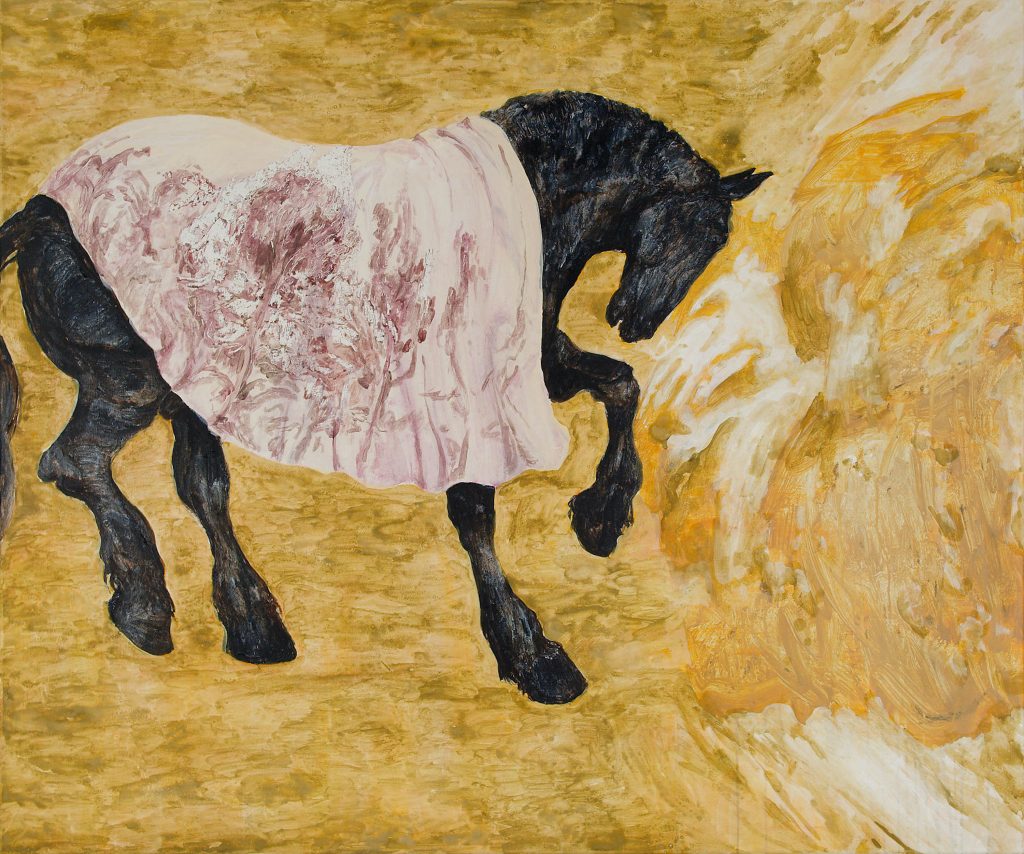
First look, then read. Let your eyes take everything in before forming an opinion and only then read the title. That applies to the viewing of all art, but especially to the newest work by Helen Verhoeven. If you go by the titles alone, you miss the actual subject of the image. It is not the black cat in Black Cat, the white mask in White Mask or the yellow head in Yellow Head; rather, they are a corpse, a pistol—aimed at the viewer—and a machine gun. The subject is violence and its consequences.
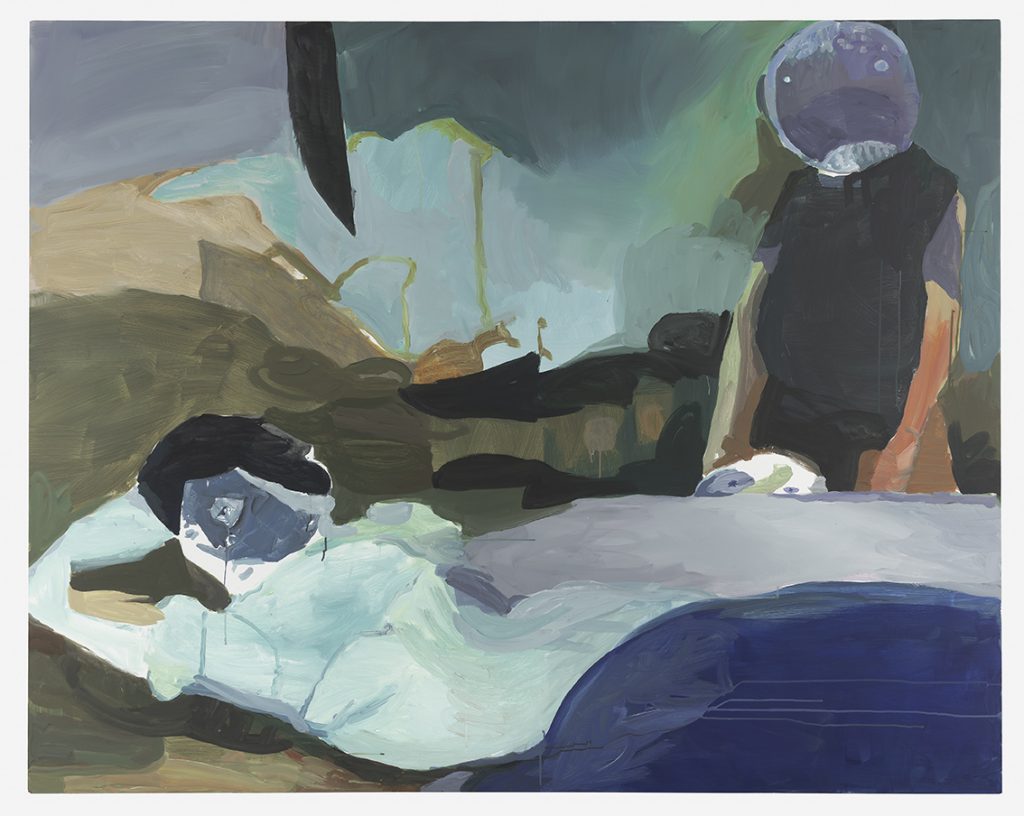
The artworks are part of the series Verhoeven has made over the past year titled Because. Because is no more than a prompt toward an explanation, because without further qualification, it has something of a lazy appeal to authority: simply because I say so, simply because it can be done and because I felt like it. Seen this way, it seems to concern senseless violence.
Helen Verhoeven’s work can be seen at the Annet Gelink Gallery stand. At the time of publication, it is not yet clear which work will be shown.
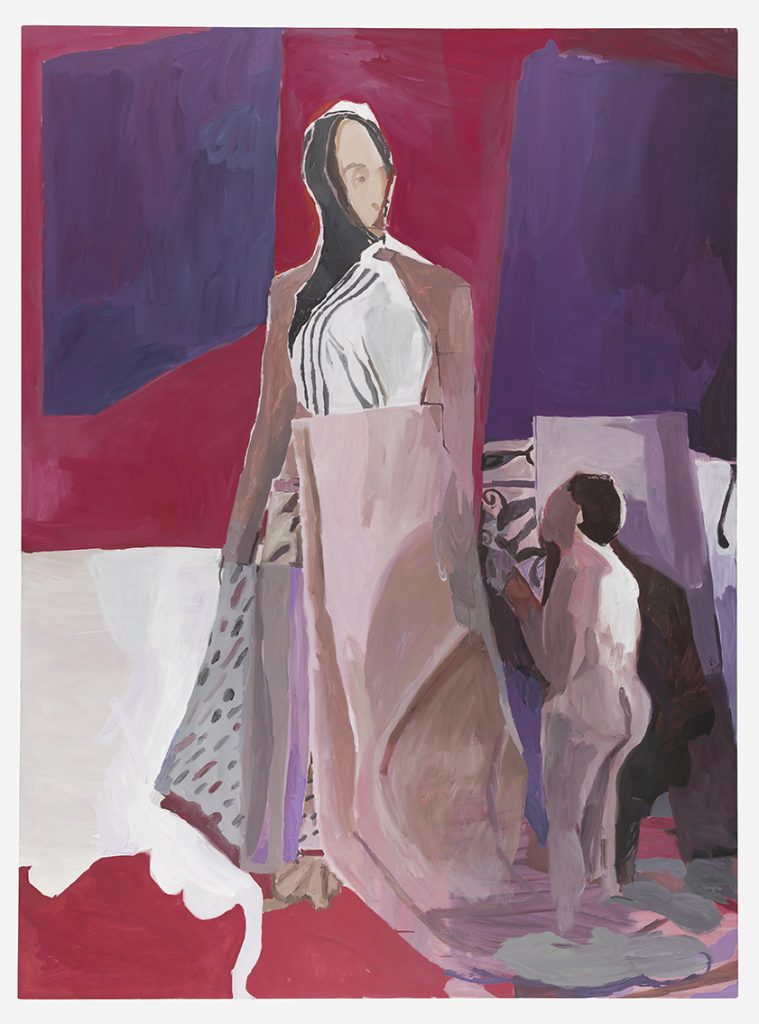
Verhoeven’s work is a combination of figuration and abstraction. She uses different textures and patterns, giving the entirety an almost collage-like effect. In Verhoeven’s work, you can see exactly what is happening on the canvas. You recognise the situations, the spaces, references to current events or historical occurrences and you can interpret the body language and facial expressions of human figures. At the same time, little is worked out in detail, which also gives Verhoeven’s work a magical quality, like a scene from a dream. The image is as tangible as a thought. At any moment, it could burst apart or slip through your fingers.
Verhoeven’s palette also leads you astray. At first glance, the purple, blue and pink feel cheerful, but the colours are almost always accompanied by a grey undertone. This makes them appear matte. The subjects, by contrast, are generally darker and anything but naive. Thematically, Verhoeven connects autobiographical elements with universal themes such as fertility and beauty, also touching on subjects like power relations and death. The work in Because is no exception.
“My paintings often depict unpleasant things, but hopefully, with a certain lightness, because humour is ultimately the best antidote to all misery,” she said a few years ago to Het Parool. Because of that lightness, Verhoeven’s work always presents you with a whole range of emotions. In Black Cat, we see a black cat next to what appears to be a deceased person. The black cat sheds a tear, but in such a way that it feels light. Something cheerful.
Helen Verhoeven (Leiden, 1974) lives and works in Berlin. She has a studio in Lichtenberg, a district in former East Berlin, just outside the S-Bahn ring. Her studio is housed in an old Stasi listening station and overlooks a former Stasi prison. At first, she did not know what had taken place there. That might even have been too much for someone who, for a time, actively sought out difficult emotional and mental experiences and drew on them for her work.
One of the places where she encountered such intense experiences was the secondary school Verhoeven attended in 1986. That year, the Verhoeven family moved from the neatly groomed town of Oegstgeest to the metropolis of Los Angeles due to her father’s film career. A great contrast in terms of liveliness, but also in terms of society. On the surface, it resembles ours, but one that overlooks the enormous differences in opportunity, health and prosperity.
Verhoeven’s parents moved to L.A. with a progressive, European mindset. As a result, they chose to send Verhoeven and her sister to a local public school, as was customary in the Netherlands. At that school, she came into contact with aggression, alcohol, drugs, sexual boundary-crossing behaviour and gangs. “I arrived as a child who had experienced nothing and within a year, I felt as though I had experienced just about everything and the innocence of my youth was gone.” From the age of 15, she attended another school that was geographically close by, but with a completely different composition.
During her American academy years at the San Francisco Art Institute and New York Academy of Art, she actively sought out intense emotional experiences—shocks she could process in her work. “I wanted to see, feel and experience the bad; as if only that were real life.” For example, she worked at an abortion clinic in a disadvantaged neighbourhood, where she encountered the most heartbreaking situations. Verhoeven comments, “A very young girl came in for an abortion. She had an enormous, homemade tattoo of a penis on her stomach. Terrifying—that image has always stayed with me.”
She also worked for a while in an emergency room, dissected corpses in a laboratory and helped out for some time at a homeless shelter. Verhoeven continues, “I collected an endless well of feelings alongside factual knowledge.” She justified this to herself by making work about it, but this has come at a price: “It produced interesting art—and still does—but I also suffered from those deliberately sustained traumas.”
During her working process, Verhoeven seals off her studio hermetically from the critical gaze of outsiders. A single word about a work that is not yet finished can ruin a painting. Verhoeven explains, “I find making art extremely private, very personal.” For a while, she made a lot of work about mothers and children as a way of dealing with the fact that she was unable to become pregnant. A month later, she turned out to be expecting after all. Verhoeven says, “I find painting to be a kind of exorcism anyway. You let it go, you let it out and you move on.”
That not every work needs to be preceded by an intense emotional experience is demonstrated by the work Verhoeven has made on commission. In 2015, she completed an ambitious work for the Supreme Court of the Netherlands and in 2021, The Family, an imposing group portrait of the Royal Family, starting with Juliana of Stolberg. Both works of art were preceded by extensive studies.
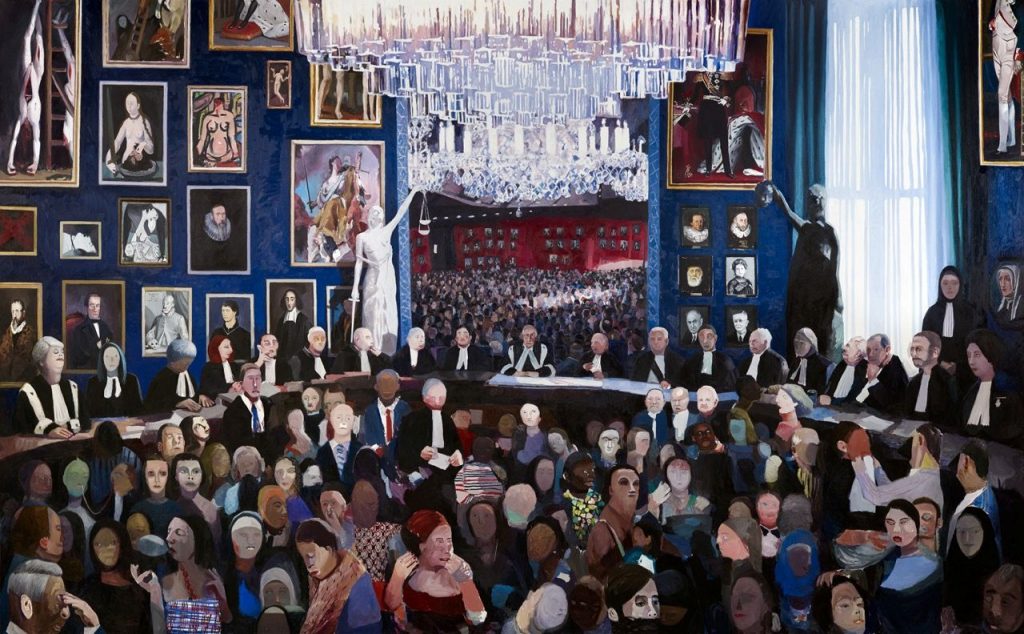
The Supreme Court painting is imposing in every respect. The canvas measures no less than 4 by 6.5 meters—Verhoeven worked on it for a year—and is packed with historical and art-historical references to the development of Dutch law. But here, too, all is not peace and harmony. The Supreme Court rather holds up a mirror to us. The judiciary and rule of law as we know them are just as fragile as the dream images in a series like Because. Over the centuries, a price has been paid for them and if we do not maintain them, they will disappear like snow in the sun.
On the walls of the courtroom, we see former politicians, scholars, heads of state and philosophers. Most striking is the famous painting of the lynched De Witt brothers by Jan de Baen. In front of it sits the Supreme Court under the leadership of its president, Lodewijk Ernst Visser, who was the first Jewish-Dutch president of the Supreme Court, but was dismissed by the German occupiers in 1941—without public protest from the other justices. In the foreground, we see a crowd of sad, angry, lonely, kind and familiar figures who together form our society.
Helen Verhoeven’s work is included in, among others, the collections of the Centraal Museum, Stedelijk Museum and Bonnefantenmuseum, where she held a solo exhibition in 2018. Her work can also be found in the collections of the Saatchi Gallery, Museum of Contemporary Art in Miami, DSM, De Nederlandsche Bank, Eneco and Rabobank. In 2008, she won the Royal Award for Modern Painting, followed by the Wolvecamp Prize in 2010 and ABN AMRO Art Award in 2018. Helen Verhoeven is represented by the Annet Gelink Gallery.
Written by Wouter van den Eijkel
Eerst kijken, dan lezen. Eerst je ogen de kost geven, zelf een mening vormen en dan pas kijken wat de titel is. Dat zou voor het kijken naar alle kunst moeten gelden, maar zeker voor de nieuwste werken van Helen Verhoeven. Als je daarbij op de titels afgaat, mis je het eigenlijke onderwerp van de voorstelling. Dat is niet de zwarte kat in Black Cat, het witte masker in White Mask of het gele hoofd in Yellow Head, het zijn: een lijk, een pistool -gericht op de kijker- en een machinegeweer. Het onderwerp is geweld en de gevolgen daarvan.
De werken zijn onderdeel van de serie die Verhoeven afgelopen jaar maakte, getiteld Because (omdat). Because is niet meer dan een aanzet tot een verklaring, want zonder verdere toevoeging heeft iets van een gemakzuchtig autoriteitsargument: gewoon, omdat ik het zeg. Gewoon, omdat het kan. Gewoon, omdat ik er zin in had. Zo bezien lijkt het te gaan om zinloos geweld.
Het werk van Helen Verhoeven is te zien in de stand van Annet Gelink Gallery. Op het moment van publicatie is nog niet duidelijk welke werken getoond zullen worden.
Verhoevens werk is een combinatie van figuratie en abstractie. Ze maakt gebruik van verschillende texturen en patronen, waardoor het geheel haast een collage-effect krijgt. Op een werk van Verhoeven zie je precies wat er op het doek gebeurt. Je herkent de situaties, de ruimtes, verwijzingen naar de actualiteit of historische gebeurtenissen, en kan de lichaamshoudingen en gezichtsuitdrukkingen van menselijke figuren duiden. Tegelijk is weinig in detail uitgewerkt waardoor Verhoevens werk ook iets magisch heeft; als een scene uit een droom. De voorstelling is net zo tastbaar als een gedachte. Ieder moment zou die uiteen kunnen spatten of je door de vingers kunnen glippen.
Ook Verhoevens palet zet je op het verkeerde been. Op het eerste gezicht stemt het paars, blauw en roze vrolijk, maar de kleuren gaan vrijwel altijd vergezeld van een grijze ondertoon. Daardoor ogen ze mat. De onderwerpen daarentegen zijn in de regel donkerder en allesbehalve naïef. Thematisch verbindt Verhoeven namelijk autobiografische elementen met universele thema’s zoals vruchtbaarheid en schoonheid, en stipt ze ook onderwerpen aan als machtsverhoudingen en de dood. De werken in Because vormen daarop geen uitzondering.
‘In mijn schilderijen gaat het vaak over akelige dingen, maar hopelijk met een zekere lichtvoetigheid, omdat humor nu eenmaal het beste tegengif is voor alle ellende’, zei ze een aantal jaar terug tegen Het Parool. Door die lichtvoetigheid krijg je bij Verhoeven altijd een scala aan emoties voorgeschoteld. In Black Cat zien we een zwarte kat bij wat lijkt op een overleden persoon. De zwarte kat laat een traan, maar wel op zo’n manier dat het iets lichts heeft. Iets vrolijks.
Helen Verhoeven (Leiden, 1974) woont en werkt in Berlijn. Ze heeft een atelier in Lichtenberg, een wijk in voormalig Oost-Berlijn, net buiten de ring van de S-bahn. Haar atelier zit in een oude afluistercentrale van de Stasi en heeft uitzicht op een voormalige Stasi-gevangenis. Aanvankelijk wist ze niet wat er allemaal had plaatsgevonden. Dat zou zelfs te veel zijn voor iemand die moeilijke emotionele en mentale ervaringen een tijd lang opzocht en eruit put voor haar werk.
Een van de plekken waar ze dergelijke intense ervaringen opdeed, was de middelbare school waarop Verhoeven in 1986 belandde. Dat jaar verhuisde het gezin Verhoeven voor haar vaders filmcarrière van het aangeharkte Oegstgeest naar de metropool Los Angeles. Een groot contrast qua levendigheid, maar ook qua maatschappij. Op het oog lijkt die op de onze, alleen dan ga je voorbij aan de gigantische verschillen in kansen, gezondheid en welvaart.
Verhoevens ouders verhuisden naar LA met een progressieve, Europese mindset. Daardoor kozen ze ervoor Verhoeven en haar zus naar een openbare school in de buurt te sturen, wat in Nederland gebruikelijk was. Op die school kwam ze in contact met agressie, drank, drugs, seksueel grensoverschrijdend gedrag en gangs. ‘Ik kwam er als kind dat nog niets had meegemaakt en binnen een jaar had ik voor mijn gevoel zo’n beetje álles meegemaakt en was de onschuld uit mijn jeugd verdwenen.’ Vanaf haar 15e zou ze een andere school bezoeken die hemelsbreed niet ver uit de buurt lag, maar een totaal andere samenstelling had.
Tijdens haar Amerikaanse academietijd aan het San Francisco Art Institute en de New York Academy of Art ging ze actief op zoek naar intense emotionele ervaringen, shocks die ze kon verwerken in haar werk. “Ik wilde het slechte zien, voelen en meemaken; alsof alleen dat het echte leven is.” Zo werkte ze in een abortuskliniek in een achterstandswijk, waar ze de meest hartverscheurende situaties aantrof. Verhoeven: “Een piepjong meisje kwam voor een abortus. Zij had een enorme, huisgemaakte tatoeage van een piemel op haar buik. Doodeng, dat beeld is me altijd bijgebleven.”
Ook werkte ze een tijdje op de spoedeisende hulp, ontleedde lijken in een laboratorium en hielp ze een tijdje in een daklozenopvang. Verhoeven: “Ik heb een eindeloze put gevoelens verzameld, naast feitelijke kennis.” Ze verantwoordde dit voor zichzelf door er werk over te maken, maar ze betaalde er ook een prijs voor: ‘Het leverde interessante kunst op, en nog steeds, maar ik kreeg ook last van die expres opgelopen trauma’s.”
Tijdens haar werkproces sluit Verhoeven haar atelier hermetisch af voor de kritische blik van buitenstaanders. Een enkel woord over een werk dat nog niet af is, kan een schilderij verpesten. Verhoeven: “Ik vind kunst maken extreem privé, heel persoonlijk.” Zo maakte ze een tijdje veel werk over moeders en kinderen, als manier om om te gaan met het feit dat het niet lukte om zwanger te worden. Een maand later bleek ze alsnog in verwachting. Verhoeven: “Ik vind schilderen sowieso een soort proces van exorcisme. Je laat het los, je laat het er uit en je laat het gaan.”
Dat niet aan ieder werk een intense emotionele ervaring vooraf hoeft te gaan, bewijzen de werken die Verhoeven in opdracht maakte. Zo rondde ze in 2015 een ambitieus werk af voor de Hoge Raad en 2021 The Family, een imposant groepsportret van de Koninklijke familie, vanaf Juliana van Stolberg. Aan beide werken gingen uitgebreide studies vooraf.
De Hoge Raad is in alle opzichten imposant. Het doek meet maar liefst 4 bij 6,5 meter – Verhoeven werkte er een jaar aan – en zit tjokvol historische en kunsthistorische verwijzingen naar de ontwikkeling van het Nederlands recht. Maar ook hier is het niet allemaal pais en vree. De Hoge Raad houdt ons eerder een spiegel voor. De rechtspraak en rechtstaat zoals we die kennen is net zo kwetsbaar als de droombeelden in een serie als Because. Over de eeuwen heen is er een prijs voor betaald en als we hem niet onderhouden verdwijnt ie als sneeuw voor de zon.
Op de wanden va de rechtszaal zien we gewezen politici, geleerden, staatshoofden en filosofen. Het meest in het oog springt het bekende schilderij van de gelynchte gebroeders De Witt van Jan de Baen. Daarvoor zit de Hoge Raad onder leiding van president, mr. Visser. Mr. Visser was de eerste joodse president van de Hoge Raad, maar werd in 1941 door de Duitse bezetters ontslagen – zonder publiekelijk protest van de andere raadsheren. Op de voorgrond zien we een menigte van treurige, boze, eenzame, lieve en vertrouwde figuren die samen onze samenleving vormen.
Het werk van Helen Verhoeven is onder meer opgenomen in de collecties van het Centraal Museum, het Stedelijk Museum en het Bonnefantenmuseum, waar ze een solotentoonstelling had in 2018. Haar werk is daarnaast te vinden in de collecties van Saatchi Gallery, The Museum of Contemporary Art in Miami, DSM, De Nederlandsche Bank, Eneco en de Rabobank. In 2008 sleepte ze de Koninklijke Prijs voor Vrije Schilderkunst binnen, gevolgd door de Wolvecampprijs in 2010 en de ABN Amro Kunstprijs in 2018. Helen Verhoeven wordt vertegenwoordigd door de Annet Gelink Gallery.
Geschreven door Wouter van den Eijkel
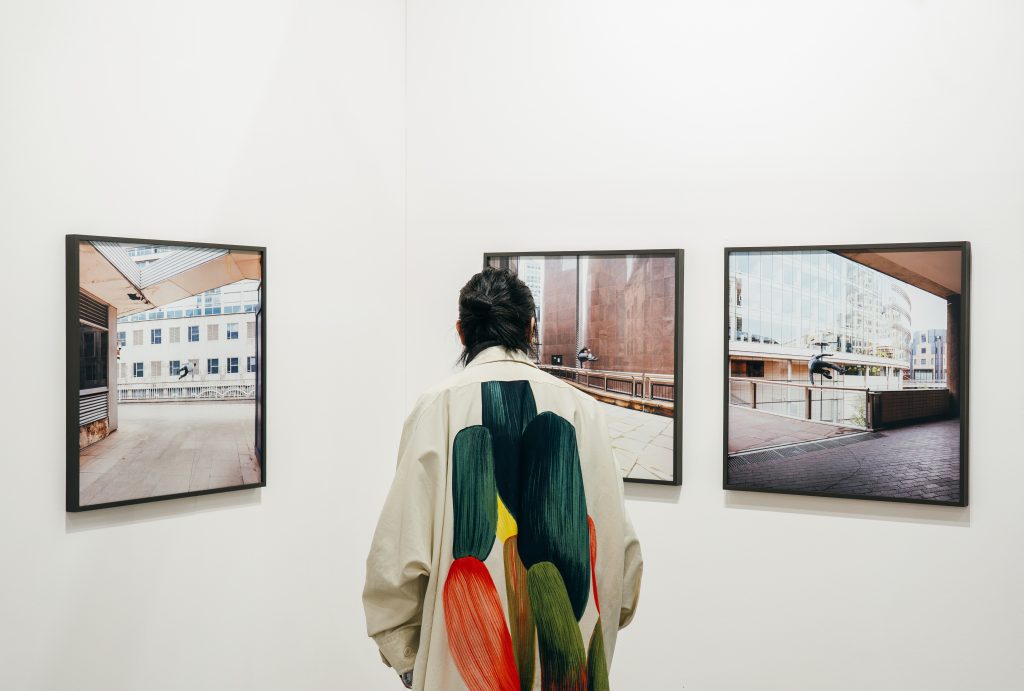
From Friday 27 to Sunday 29 March, Art Rotterdam returns with a sharpened fair format that brings together visual art, photography, video and large-scale installations. The format offers space for both emerging talent and established galleries, while the addition of Unseen Photo introduces a sharply curated and internationally oriented photography programme, fully integrated into the fair. With the return to Rotterdam Ahoy, Art Rotterdam continues the course set in 2025. The venue’s scale and openness, along with its hospitality facilities, contribute to a pleasant visit with room for quiet moments of rest. As a result, visitors spend more time on the fair floor. Last year, Art Rotterdam welcomed 28,000 visitors.
This edition features over 150 galleries from the Netherlands and abroad, including exhibitors from Lisbon, Istanbul, Buenos Aires, Copenhagen, Johannesburg, Bratislava, London, Rome, Paris, Madrid, Vienna and Riga. Art Rotterdam also maintains a strong bond with the city. The Wall Street Journal recently included Rotterdam in their 10 Best Places to Visit in 2026: “The city has reinvented itself as one of Europe’s most experimental urban laboratories, with starchitect-designed towers and cultural districts built on former docklands.” Last year, the city saw the opening of the 15,000 m² migration museum Fenix, and the brand-new eight-storey Nederlands Fotomuseum is set to open its doors soon with a festive launch.
DHB Bank returns as the main sponsor of Art Rotterdam. DHB Bank is a Dutch savings bank where you can save online. Its head office has been based in Rotterdam for over 30 years. Over time, the city became its home base, which is one of the reasons DHB Bank proudly supports Art Rotterdam.
Art Rotterdam is divided into distinct sections that offer a clear and coherent view of today’s contemporary art practice. These sections help visitors to navigate the fair.

Art Rotterdam 2026 sections
In the Main Section, participating galleries present a diverse selection of contemporary art. The Solo/Duo section is integrated within this format, with booths that highlight the work of one or two artists.
The New Art Section is devoted to solo presentations by emerging artists with exciting practices. After a successful first edition, curator Övül Ö. Durmuşoğlu returns for Art Rotterdam 2026. In addition to Unseen booths in the Main and Solo/Duo sections, three specially curated sections form a distinctive photography pavilion: New Photography, Encounters and The Past Present. These sections explore hybrid visual languages, crossovers with other disciplines, and new perspectives on analogue photography and archival material. Alongside this, the Unseen Book Market will take place in the new Nederlands Fotomuseum, where forty publishers present a wide selection of photobooks and publications. Van Lanschot Kempen is the new partner of Unseen Photo.
The Prospects section by the Mondriaan Fund introduces a broad audience to a new generation of artists. This fourteenth edition presents work by 92 emerging artists who received financial support in 2024 to help launch their careers. The exhibition is curated by Johan Gustavsson and Daphne Verberg.
Projections is the fair’s video art section: a darkened space of over 800 square metres with twelve projections on freestanding five-metre-wide screens.
Sculpture Park serves as a meeting point within the fair, offering 280 square metres of sculptures and installations. Designed by Tom Postma Design, the section literally brings air and space into the fair layout.
Highlights
kumalo | turpin from Johannesburg presents work by Boemo Diale in the Main Section. Diale grew up within the complex racial and socio-political structures of post-apartheid South Africa and works from a multidisciplinary practice in which identity, generational trauma and dreams converge. Her visual language is deeply personal, with a strong focus on her maternal lineage, while also addressing the shared cultural heritage of African women. By intertwining fragments from her family archive with colourful, dreamlike settings, she creates friction between reality and imagination, raising questions about her position, origins and the potential of art to effect change.
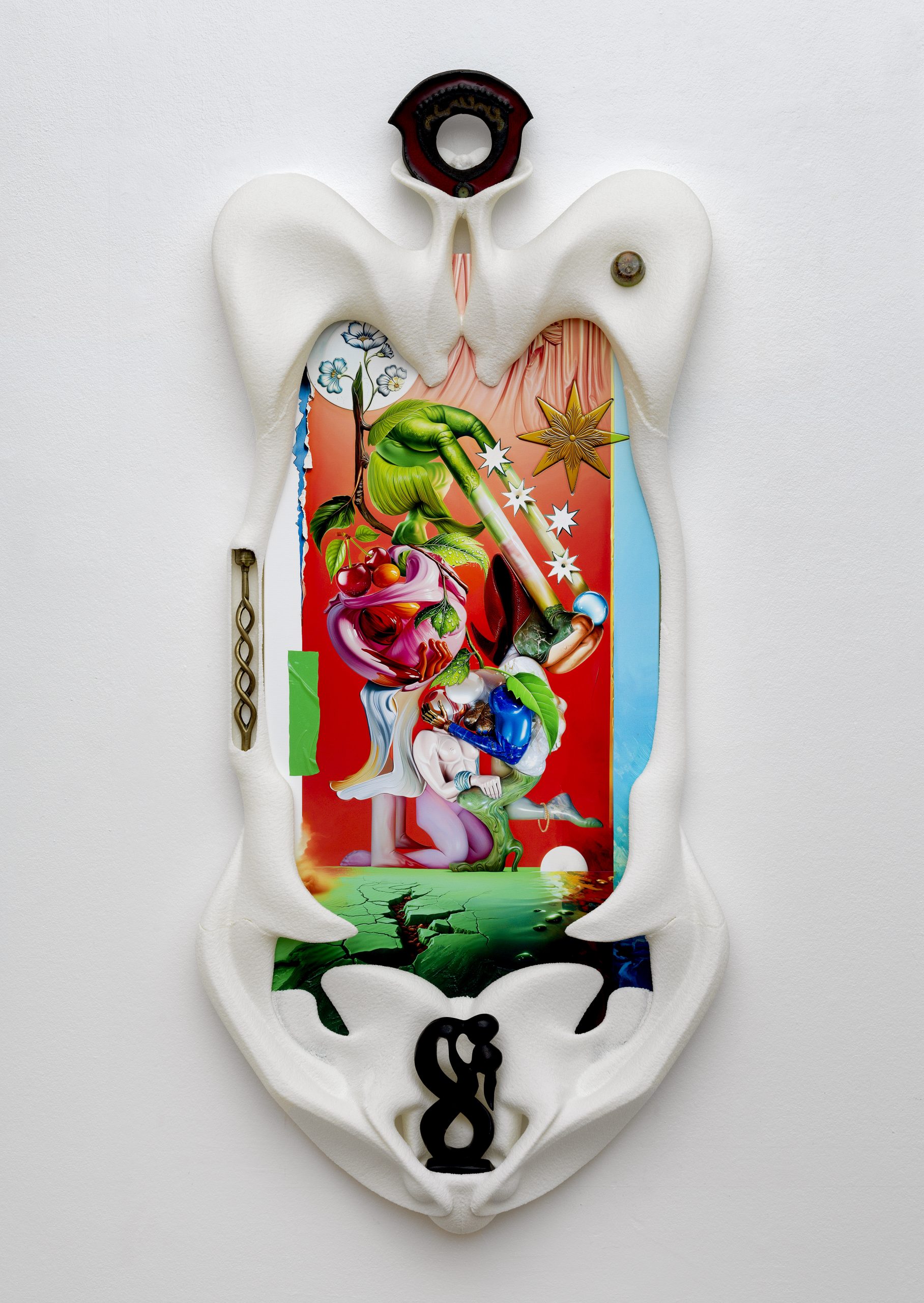
Kévin Bray (Upstream Gallery) works from a multidisciplinary practice where digital and physical realities continuously merge, using video, digital painting, 3D-printed sculptures and sound as equal components. Drawing on his background in graphic design, the French artist unpacks the logic of software, games and interfaces, translating these into hybrid forms that demonstrate how images shape not only our perception, but also our behaviour and reality. In the Main Section, it becomes clear how Bray deliberately equalises fiction and matter, consistently dissolving the boundaries between digital and tactile, imagination and reality. His work was previously shown at Stedelijk Museum Amsterdam, Palais de Tokyo in Paris, Kunstinstituut Melly, Foam Amsterdam, Het Nieuwe Instituut and The Hole in New York, and has been included in the collections of the AkzoNobel Art Foundation, ING and the Dutch Ministry of Foreign Affairs.
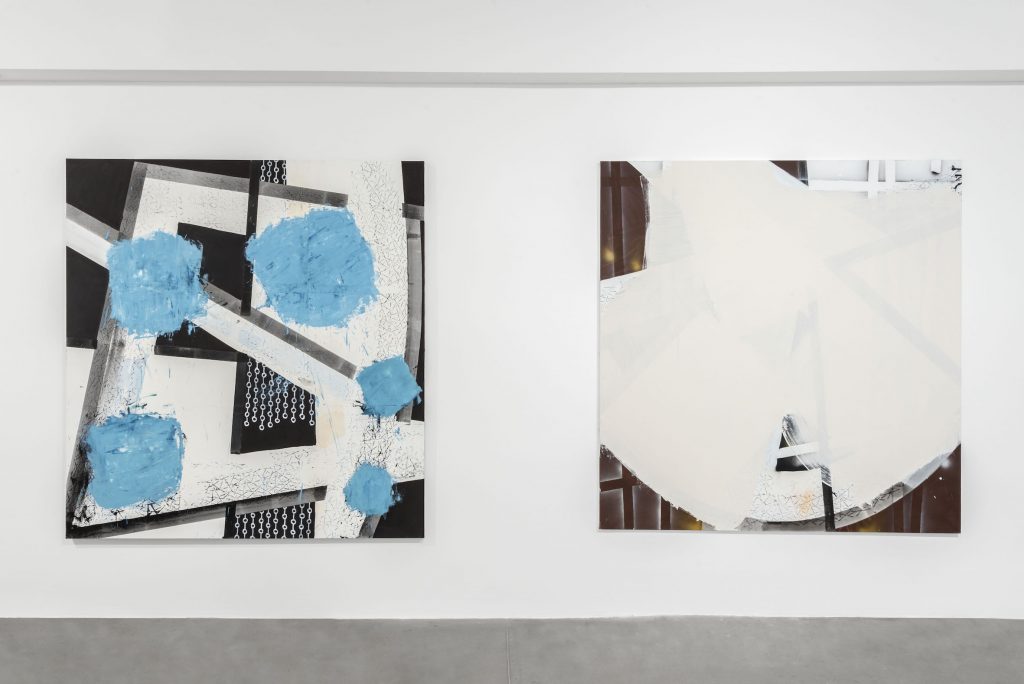
ZAHORIAN & VAN ESPEN from Bratislava (Main Section) presents work by Vladimír Ossif, a painter working within the tradition of geometric abstraction. The Slovak artist spent time in cities such as Paris, Bratislava, Madrid and New York, and his vibrant paintings are therefore infused with motion and change, expressed in dynamic compositions in which forms collide, overlap or balance alongside each other. His works explore what images can communicate when language falls short. His work is included in the collections of Musée d’Art Moderne de Paris, Casa de Velázquez in Madrid and the National Gallery in Prague, and was featured in the 13th Havana Biennial.
In the Solo/Duo section at Annet Gelink Gallery, works are presented by Helen Verhoeven and Steffani Jemison, two artists who each in their own way explore the tension between individual and collective, delving into themes of the body and representation. Jemison investigates how African-American culture, history, knowledge systems, movement, language and storytelling are transmitted, creating performances, videos, audio works and sculptures that have been shown at MoMA, the Whitney Museum (the Whitney Biennial), the Brooklyn Museum, Stedelijk Museum Amsterdam, Jeu de Paume and MoMA PS1. Verhoeven works with large, layered paintings in which dream, history, religion, mythology and social violence merge. She created a royal portrait for the Dutch Royal Family, and her work has been included in the collections of the Centraal Museum, Stedelijk Museum Amsterdam, the Bonnefanten museum, Saatchi Gallery, The Museum of Contemporary Art in Miami, De Nederlandsche Bank and Rabobank.
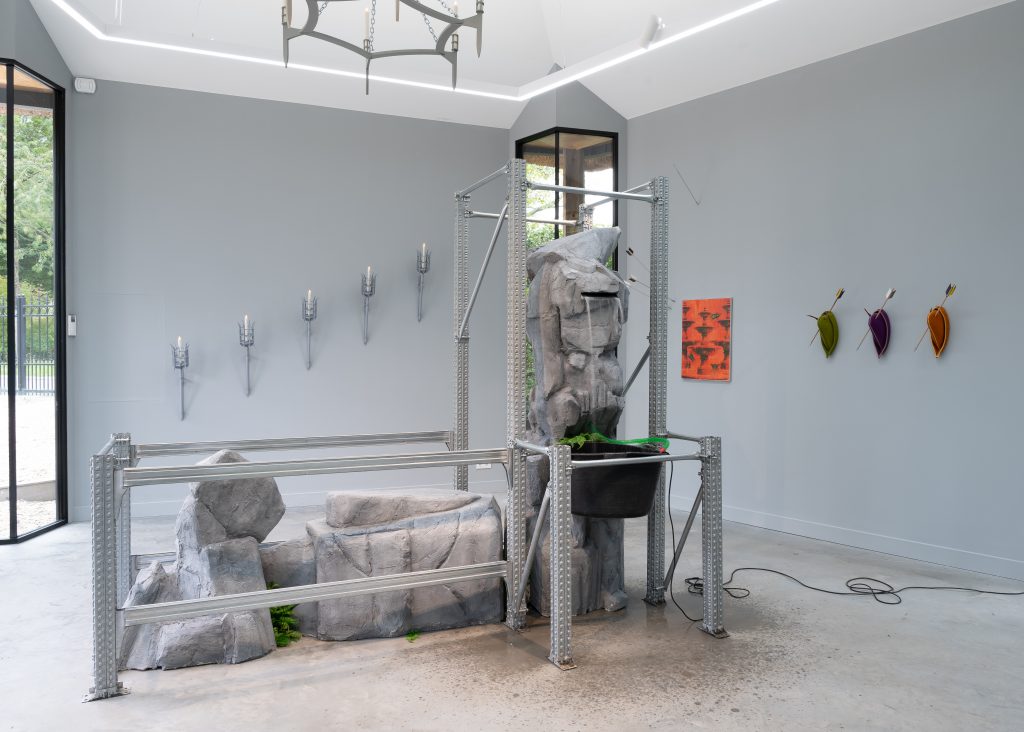
In the Main Section, Heejsteck# presents the installation ‘Add to Cart’ by Peer Vink and Tom Putman. The project takes the shopping mall as a starting point, not as a nostalgic backdrop but as an outdated status symbol, comparable to a film set that convinces from a distance but reveals its construction up close. The largely enclosed booth is accessible only through a cave-like portal and leads to an artificial grotto with a waterfall and bar, exposing how artificial nature and fictional worlds are used to drive desire and consumption. The installation is accompanied by new works from both artists.
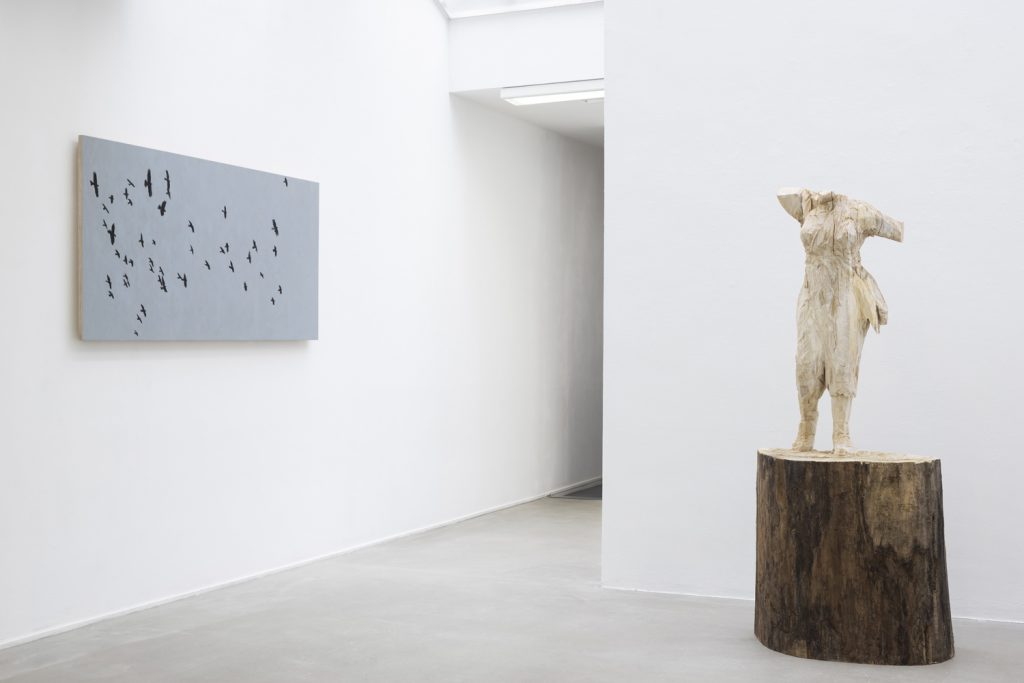
Stephan Balkenhol creates hand-carved wooden sculptures in which the human figure almost always takes centre stage. He typically carves his works from a single block of wood, sometimes even an entire tree trunk, using hammers and chisels with minimal use of machinery, leaving visible splinters, cracks and grooves. Shown by AKINCI in the Main Section, his practice reveals how this sober, artisanal approach results in sculptures that resonate universally. His work is held in the collections of Centre Pompidou, Tate, ARKEN Museum of Modern Art, Museum Voorlinden, Museum of Contemporary Art Tokyo, MoMA, LACMA, the Art Institute of Chicago, Hamburger Bahnhof, the Peggy Guggenheim Collection and Kunstmuseum Den Haag. His work was recently shown in a solo exhibition at Kunsthal Rotterdam.
In the Solo/Duo section, Galerie Fontana presents work by Thijs Segers, including recent paintings and a new installation. Segers explores themes such as decay, transformation and impermanence. His paintings capture both personal memories and universal themes, often inspired by abandoned places, nature and his inner world. His work has previously been shown at the Noordbrabants Museum, Paleis op de Dam, the Vincent van GoghHuis, Museum Villa Mondriaan and Het HEM. In 2021, 2024 and 2025 he was nominated for the Royal Award for Modern Painting.
For tickets and a full list of participants, visit www.artrotterdam.com. The fair catalogue will be published on GalleryViewer.com on 20 March 2026.
Written by Flor Linckens
From 27 to 29 March 2026, Unseen Photo will present a sharply curated international photography programme within Art Rotterdam at Rotterdam Ahoy, bringing together established names and emerging talent. This year, Unseen consists of six interconnected components. On the fair floor, Unseen appears in the Main Section and the Solo/Duo programme, both tightly selected and fully embedded among the wider Art Rotterdam presentations across 14,000 m².
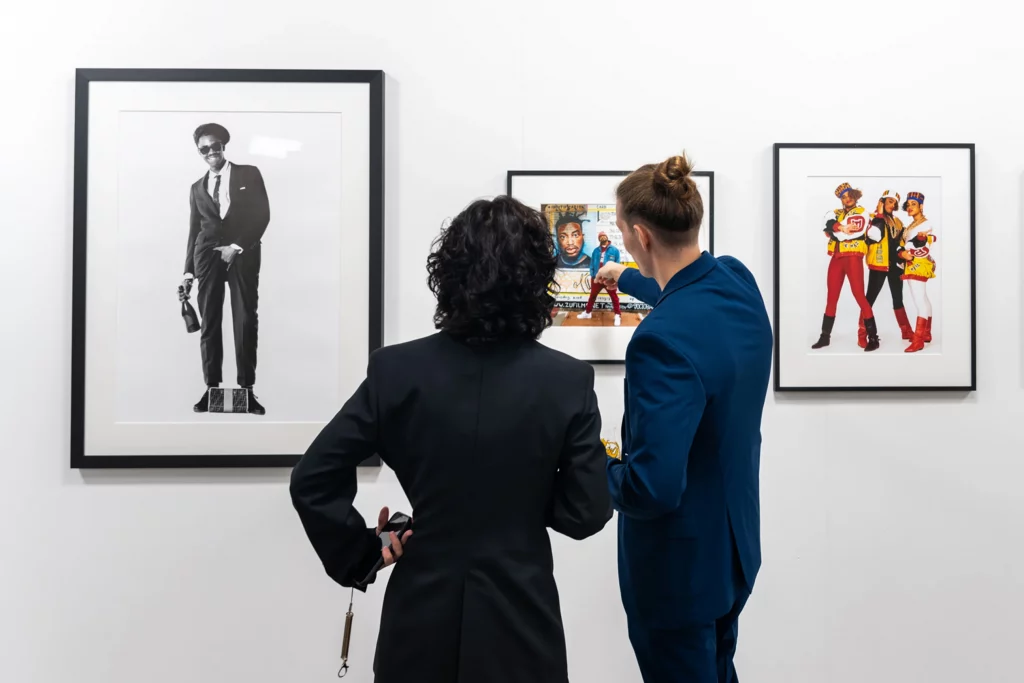
The curated sections bring Unseen’s conceptual depth into focus. Presenting photography within a curated framework lends the works a museum-level focus while revealing how dynamic, varied and resonant the medium is today. The New Photography section, curated by the Unseen fair committee (Caroline O’Breen, Domenico de Chirico, Els Drummen, Hedy van Erp and Dries Roelens), forms a distinctive photographic pavilion on the fair floor, together with Encounters and The Past Present.
In Encounters, the Milan-based curator Domenico de Chirico examines the interplay between photography and other artistic practices, generating new narratives and hybrid visual worlds that stretch the medium’s boundaries.
In The Past Present, photo historian, curator and author Hedy van Erp offers a contemporary perspective on analogue photography up to the year 2000, with particular attention to lost archives and found images. She brings together artists who use existing photographic material and techniques in new ways, to restore weight and meaning to the past.
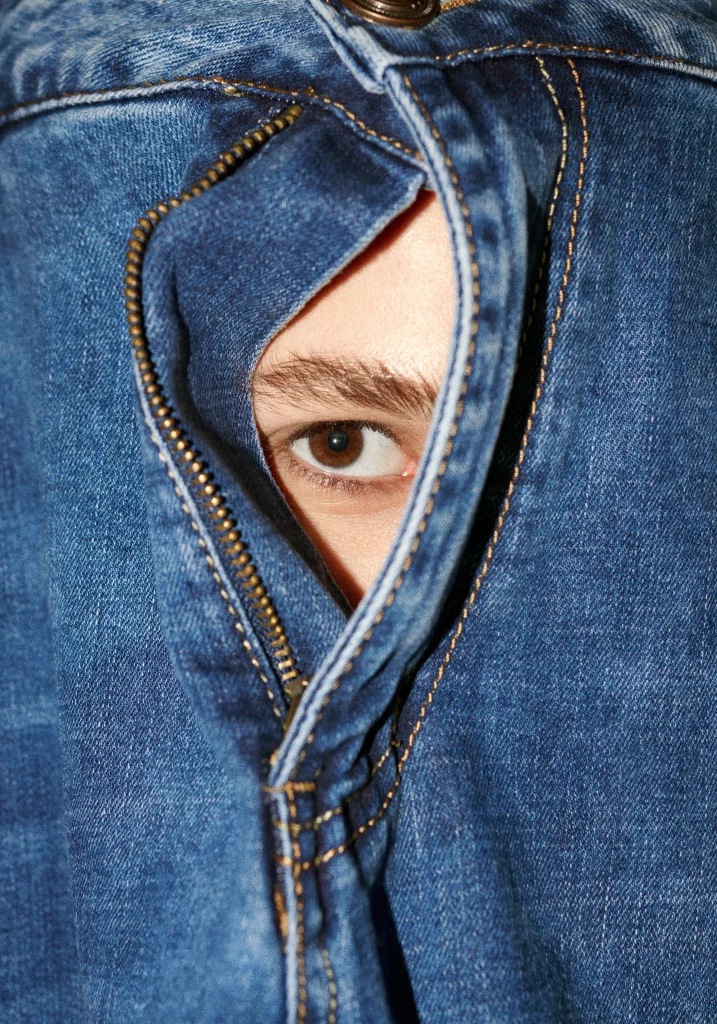
Together, these curated sections offer a layered overview of photographic positions, ranging from conceptual research projects to spatial installations and post-digital image culture. The featured artists respond to themes such as identity, technology and materiality as well as to the shifting circulation and interpretation of images. As a result, Unseen Photo develops a distinct signature within Art Rotterdam and deepens the fair’s artistic scope, creating a platform that connects photography with other contemporary disciplines in a dynamic environment that appeals to a young and international public.
The sixth pillar, the Unseen Book Market, takes place simultaneously at the new location of the Nederlands Fotomuseum in Pakhuis Santos, which opens in February. In the museum, an official partner, forty publishers present a wide range of photobooks and publications.
Unseen Photo is powered by the new Partner Van Lanschot Kempen.
A number of highlights
Several presentations stand out within the selection.
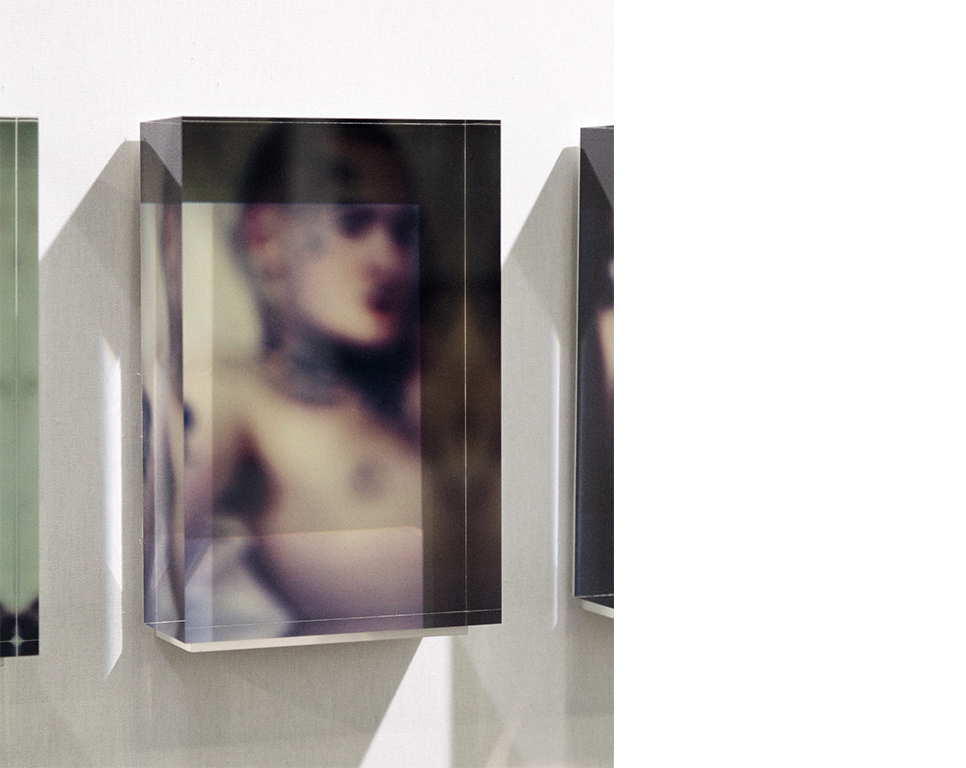
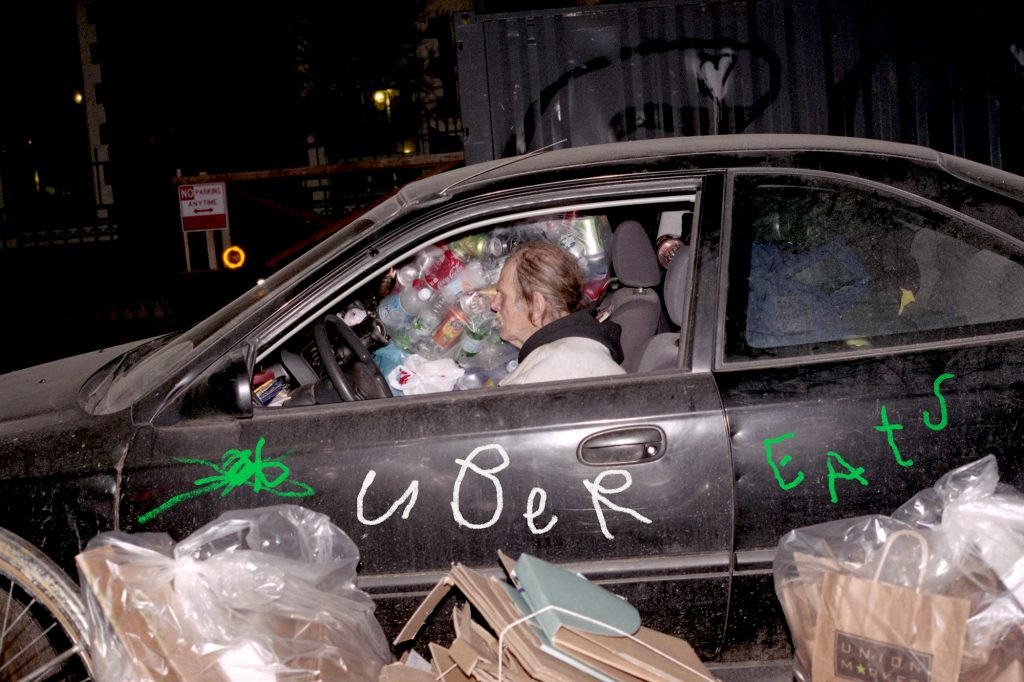
Intervalle (Paris) highlights Julien Mignot’s series “Screenlove” in the New Photography section. In these works, the artist examines how intimacy and distance shift in an era in which relationships unfold through screens. Mignot works with blurred webcam images, created with the explicit consent of his models, which he casts in semi-transparent blocks, so that the image appears or disappears depending on the viewing angle. The series, rooted in his youthful curiosity about the lives unfolding behind windows, reflects on digital voyeurism, the fragility of relationships, contemporary forms of loneliness and the power embedded in the act of looking. For Unseen Photo 2026 Intervalle presents new, previously unseen works from the series. Mignot has previously created commissioned work for The New York Times, Vanity Fair, The New Yorker, Chanel, Hermès, Louis Vuitton and the Opéra de Paris.
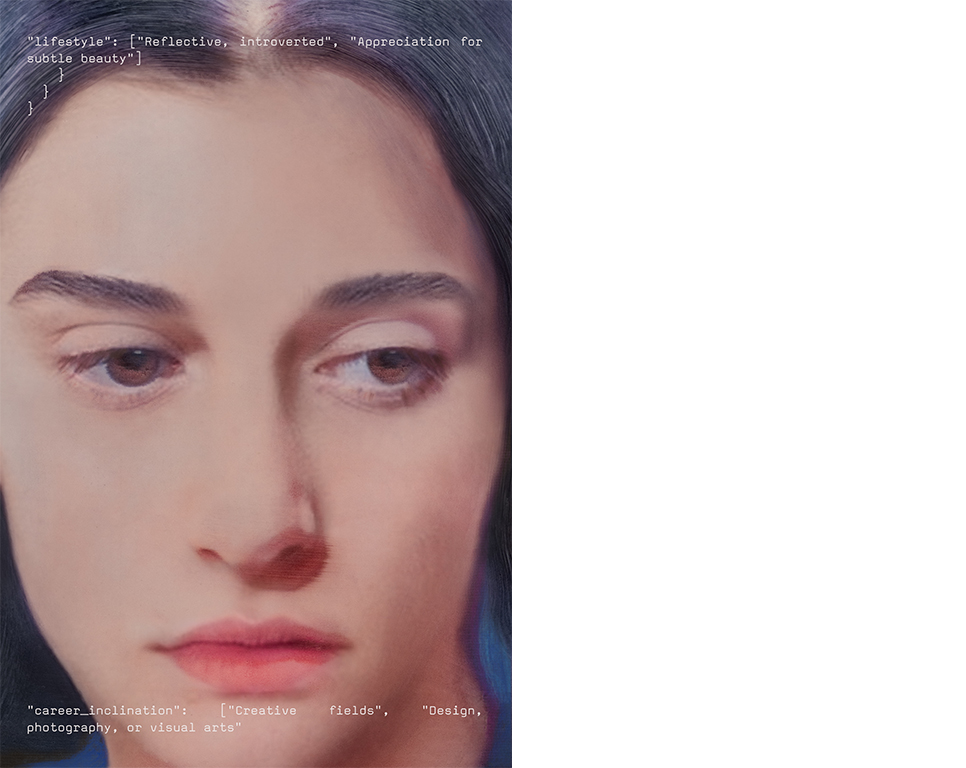
In the Encounters section, VIASATERNA (Milan) will show work by Teresa Giannico, who transforms digital image fragments from the online realm into layered compositions at the intersection of photography, collage and painting. Her dreamlike scenes reveal how algorithms shape our ways of seeing and how the mind reconstructs fragmented imagery into new realities. In her recent work, she examines the objectivity of photography with both precision and poetic restraint, in an age of endless digital reproducibility. Until 18 January 2026, her work is on view at the eighteenth Quadriennale d’Arte in Rome.
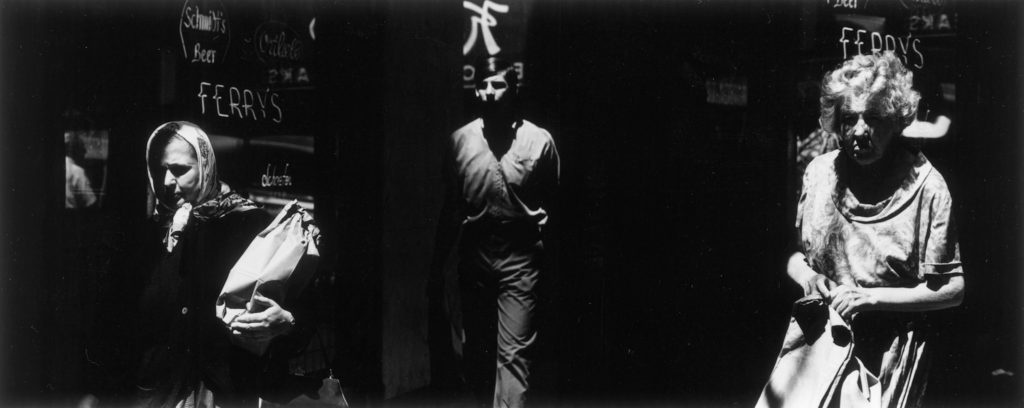
Hedy van Erp: “Ray K. Metzker (1931–2014, United States) is regarded as part of the photographic avant-garde and a pioneer of urban photography, in which he experimented extensively with light. In 2026, a monograph of his work, City Lux, will be published. His work is held in the collections of institutions including MoMA, the Metropolitan Museum, the Whitney Museum, the J Paul Getty Museum and the Albertina. The Paris gallery Les Douches La Galerie is presenting rare vintage Ray Metzker prints, which are seldom offered.”
Erika Deák Gallery (Budapest) will present work by Andrea Gáldi Vinkó in the Encounters section. In her practice, the artist examines the tension between intimacy, identity and the vulnerability of everyday life, weaving personal experience together with universal themes. Her photographs, often balancing between the everyday and the absurdly poetic, have been shown at the Robert Capa Contemporary Photography Center and Kunsthalle Budapest. She has created commissioned work for Tate, Vogue Italia, The New Yorker, Die Zeit, i-D, Dazed and Le Monde. With her distinctive visual narratives, she is regarded as one of the most compelling voices in Hungarian photography.
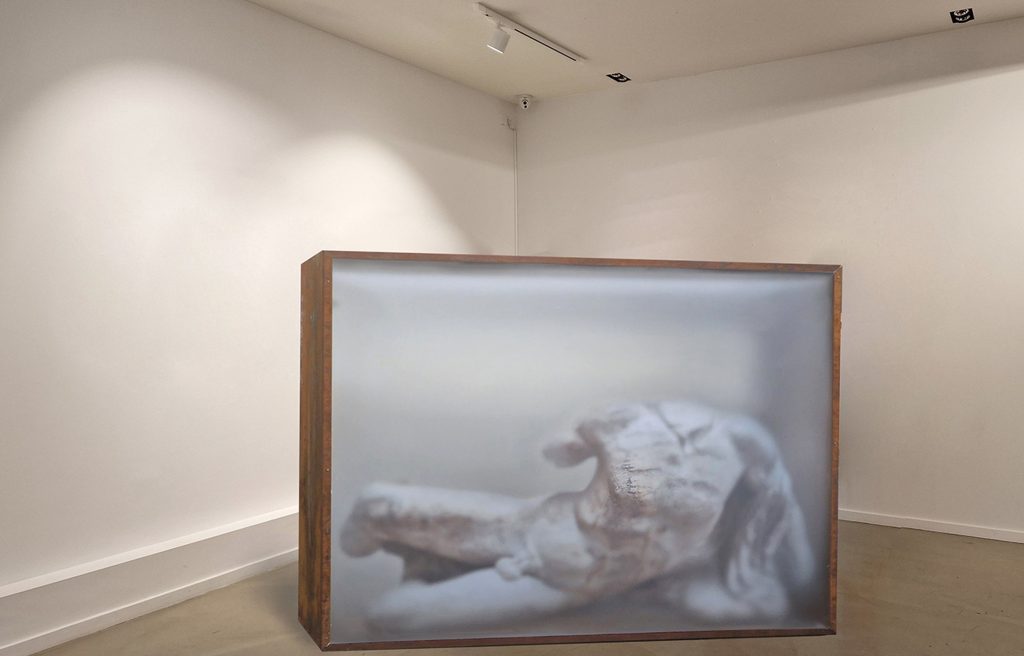
In “ReCollection”, Casper Faassen (Bildhalle, Amsterdam, in the Solo/Duo section) explores how photography can move beyond documentation into an almost sculptural form by creating 1:1 reinterpretations of contested colonial artefacts from museum collections such as those of the Louvre and the British Museum. In a contemporary Wunderkammer, he gathers these photographic objects as a critical reflection on collecting, ownership and the stories inherited from previous generations. Through layered techniques, visible traces of time and the question of who holds the right to preserve history, Faassen turns photography into a poetic and political medium.
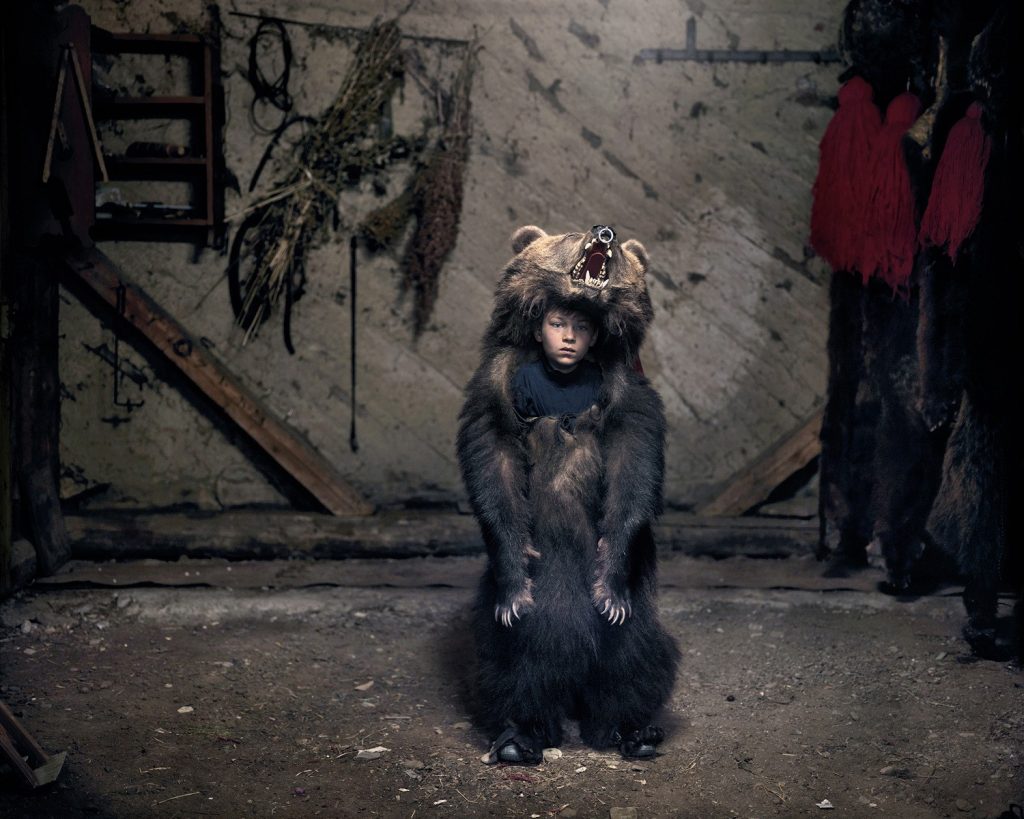
Einspach & Czapolai Fine Art (Budapest) will show work by Tamas Dezsö in the Main Section. His ongoing series ‘Notes for an Epilogue’ reveals the quiet legacy of a post-communist Romania. Dezsö’s work captures with remarkable sensitivity how history becomes embedded in the everyday and shapes the ways societies move forward in the layered aftermath of a regime. His photographs have been shown at Foam Photography Museum Amsterdam, the Robert Capa Contemporary Photography Center and the Shanghai Museum of Contemporary Art, and have appeared in publications such as The New York Times and Le Monde.
About the curators
Domenico de Chirico is an independent curator based in Milan. He taught Visual Culture and Trend Research at Istituto Europeo di Design Milan (2011–2015) and served as Artistic Director of DAMA Fair, Turin (2016–2019). His experience includes jury roles, artist residencies, and teaching positions at institutions such as Goldsmiths (London), Academy of Arts, Architecture and Design (Prague), Nuova Accademia di Belle Arti (Milan), and the Accademia di Belle Arti di Bologna. He has been a visiting curator at the Swiss Institute in Rome and the Artistic Director of Ortigia Contemporanea 2024. Current projects include curatorial roles at SWAB Barcelona, MIA Photo Fair (Milan), and Prisma Art Prize (Rome).
Hedy van Erp is a Dutch photo historian, curator, and author specialising in vintage and vernacular photography. She has worked on exhibitions for institutions such as the Nederlands Fotomuseum, Fotomuseum The Hague, the National Media Museum (UK), the Science Museum (London) and (now) H’ART Museum in Amsterdam. She is also the co-author of Photography Decoded (Tate Publishing, 2019). Current projects include an exhibition co-curated with Susan Bright, scheduled for June 2026 at the Alice Austen House Museum in New York, and an upcoming issue of the international photozine Fotozini, dedicated to vintage, obscure and unconventional photography.
Art Rotterdam keert van vrijdag 27 tot en met zondag 29 maart terug met een extra scherpe beursopzet waarin beeldende kunst, fotografie, video en grootschalige installaties samenkomen. Het format biedt ruimte aan zowel upcoming talent als gevestigde galeries en de toevoeging van Unseen Photo zorgt voor een scherp gecureerd en internationaal fotografieprogramma, volledig geïntegreerd in de beurs. Met de terugkeer naar Rotterdam Ahoy zet Art Rotterdam de koers voort die in 2025 werd ingezet. De schaal en openheid van deze locatie dragen, samen met de horecavoorzieningen, bij aan een aangenaam bezoek, met ruimte voor rustmomenten. Dat betekent dat mensen meer tijd doorbrengen op de beursvloer. Vorig jaar trok Art Rotterdam maar liefst 28.000 bezoekers.
Er nemen tijdens deze editie meer dan 150 galeries deel uit binnen- en buitenland, met deelnemers uit onder meer Lissabon, Istanbul, Buenos Aires, Kopenhagen, Johannesburg, Bratislava, Londen, Rome, Parijs, Madrid, Wenen en Riga. Daarnaast heeft Art Rotterdam een sterke band met de stad. De Wall Street Journal nam Rotterdam onlangs op in hun 10 Best Places to Visit in 2026: “De stad heeft zich opnieuw uitgevonden en geldt als een experimenteel stedelijk laboratorium binnen Europa, met torens van sterarchitecten en culturele districten op voormalige havengebieden.” In de stad opende afgelopen jaar bovendien het migratiemuseum Fenix van 15.000 m² en binnenkort wordt het nieuwe, acht verdiepingen tellende Nederlands Fotomuseum feestelijk geopend.
DHB Bank is ook dit jaar de hoofdsponsor van Art Rotterdam. DHB Bank is een Nederlandse spaarbank waar je online kunt sparen. Het hoofdkantoor is al ruim 30 jaar gevestigd in Rotterdam. De stad werd door de jaren heen haar thuishaven; mede daarom is DHB Bank de trotse hoofdsponsor van Art Rotterdam.
Art Rotterdam bestaat ook dit jaar weer uit een aantal secties die samen een breed en inhoudelijk sterk beeld geven van de hedendaagse kunstpraktijk. Ze bieden bezoekers houvast en zorgen voor een overzichtelijke leesbaarheid en samenhang van de beurs.
Secties Art Rotterdam 2026
In de Main Section tonen deelnemende galeries een brede selectie hedendaagse kunst. Solo/Duo is hierin geïntegreerd als presentatiemodel waarin het werk van één of twee kunstenaars belicht wordt.
De New Art Section is gewijd aan solopresentaties van opkomende kunstenaars met spannende artistieke praktijken. Na een succesvolle eerste editie keert curator Övül Ö. Durmuşoğlu terug voor Art Rotterdam 2026.
Naast Unseen stands in de Main Section en Solo/Duo sectie zijn er drie speciaal gecureerde secties: New Photography, Encounters en The Past Present. Samen vormen zij een herkenbaar fotografiepaviljoen. Hier zie je hybride beeldwerelden, cross-overs met andere disciplines en nieuwe perspectieven op analoge fotografie en archiefmateriaal. Parallel daaraan vindt de Unseen Book Market plaats in het nieuwe Nederlands Fotomuseum, waar veertig uitgevers een groot aanbod aan fotoboeken en publicaties presenteren. Van Lanschot Kempen is de nieuwe partner van Unseen Photo.
De Prospects sectie van het Mondriaan Fonds laat een breed publiek kennismaken met een nieuwe generatie kunstenaars. Deze veertiende editie toont het werk van 92 startende kunstenaars die in 2024 financiële steun ontvingen om het start van hun carrière te ondersteunen. De tentoonstelling wordt gecureerd door Johan Gustavsson en Daphne Verberg.
Projections is de videokunstsectie van de beurs: een verduisterde ruimte van meer dan 800 vierkante meter met twaalf projecties op vrijstaande schermen van vijf meter breed.
Sculpture Park functioneert als ontmoetingsplek op de beurs met 280 vierkante meter aan sculpturen en installaties. De sectie, vormgegeven door Tom Postma Design, brengt letterlijk lucht en ruimte in de beursopzet.
Een aantal highlights
kumalo | turpin uit Johannesburg presenteert in de Main Section werk van Boemo Diale. Diale groeide op binnen de complexe raciale en sociaal-politieke structuren van post-apartheid Zuid-Afrika en werkt vanuit een multidisciplinaire praktijk waarin identiteit, generatietrauma en dromen samenkomen. Haar beeldtaal is persoonlijk, met een sterke focus op haar moederlijke lijn, en raakt tegelijk aan de gedeelde culturele erfenis van Afrikaanse vrouwen. Door fragmenten uit haar familiearchief te verweven met kleurrijke en dromerige omgevingen ontstaat er frictie tussen de werkelijkheid en verbeelding, waarbij Diale vragen stelt over haar positie, afkomst en de mogelijkheid om via kunst verandering teweeg te brengen.
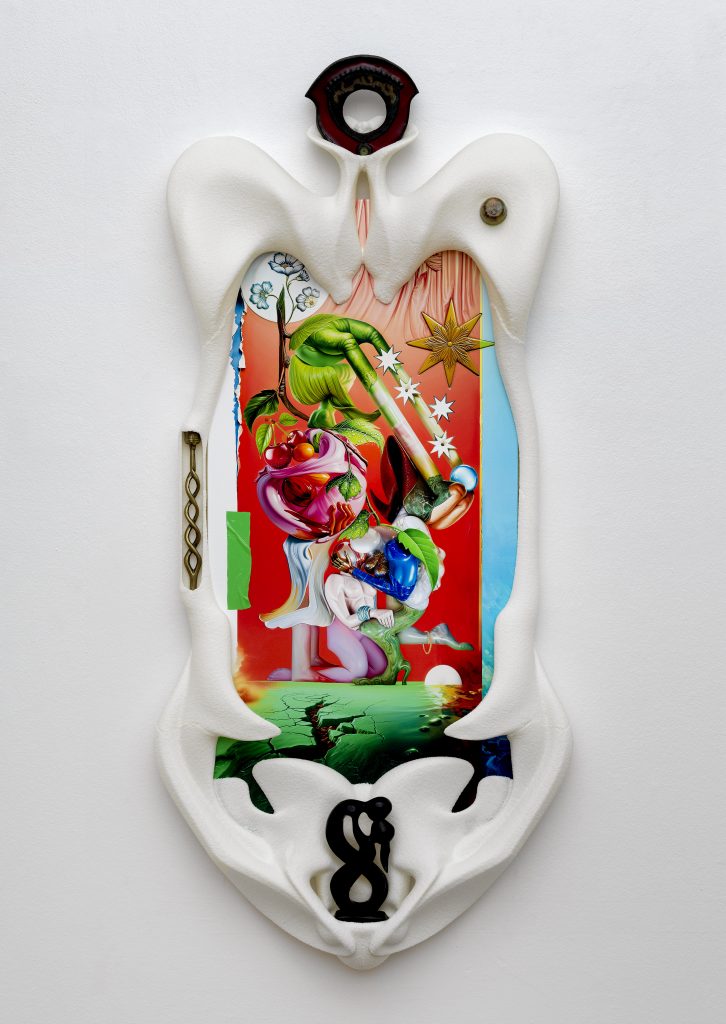
Kévin Bray (Upstream Gallery) werkt vanuit een multidisciplinaire praktijk waarin digitale en fysieke werkelijkheden voortdurend in elkaar overlopen, met video, digitale schilderkunst, 3D-geprinte sculpturen en sound als gelijkwaardige bouwstenen. Vanuit zijn achtergrond in grafisch ontwerp ontleedt de Franse kunstenaar de logica van software, games en interfaces en vertaalt die naar hybride vormen die laten zien hoe beelden niet alleen onze blik, maar ook ons gedrag en onze werkelijkheid vormgeven. In de Main Section wordt zichtbaar hoe Bray fictie en materie bewust gelijkwaardig maakt, waarbij hij de grenzen tussen digitaal en tastbaar, verbeelding en realiteit, consequent openbreekt. Zijn werk was onder meer te zien in Stedelijk Museum Amsterdam, Palais De Tokyo in Parijs, Kunstinstituut Melly, Foam Amsterdam, het Nieuwe Instituut en The Hole in New York. Het is opgenomen in de collecties van de AkzoNobel Art Foundation, ING en het Ministerie van Buitenlandse Zaken.
ZAHORIAN & VAN ESPEN uit Bratislava (Main Section) toont onder meer werk van Vladimír Ossif, een schilder die werkt binnen de geometrische abstractie. De Slowaakse kunstenaar bracht onder meer tijd door in Parijs, Bratislava, Madrid en New York en zijn levendige schilderijen worden dan ook gevoed door beweging en verandering, wat zichtbaar wordt in dynamische composities waarin vormen botsen, overlappen of juist in evenwicht naast elkaar bestaan. Zijn schilderijen laat zien wat beeld kan uitdrukken wanneer taal tekortschiet. Zijn werk is onder meer opgenomen in de collectie van Musée d’Art Moderne de Paris, Casa de Velázquez in Madrid en de National Gallery van Praag en was onderdeel van de 13e Biënnale van Havana.
In de Solo/Duo-sectie bij Annet Gelink Gallery worden werken getoond van Helen Verhoeven en Steffani Jemison, twee kunstenaars die allebei op hun eigen manier de spanning tussen individu en collectief onderzoeken, en dieper in gaan op het lichaam en representatie. Jemison onderzoekt onder meer de manieren waarop Afro-Amerikaanse cultuur, geschiedenis, kennistradities, beweging, taal en verhaalvorming worden doorgegeven, en maakt performances, video’s, audiowerken en sculpturen die eerder te zien waren in het MoMA, het Whitney Museum (de Whitney Biennial), het Brooklyn Museum, Stedelijk Museum Amsterdam, Jeu de Paume en MoMA PS1. Verhoeven werkt met grootse, gelaagde schilderijen waarin droom, geschiedenis, religie, mythologie en maatschappelijk geweld versmelten. Ze maakte onder meer een staatsieportret voor de Koninklijke Familie en haar werk bevindt zich in de collecties van het Centraal Museum, Stedelijk Museum Amsterdam, het Bonnefanten museum, Saatchi Gallery, The Museum of Contemporary Art in Miami, De Nederlandsche Bank en de Rabobank.
In de Main Section presenteert Heejsteck# de installatie ‘Add to Cart’ van Peer Vink en Tom Putman. Het project neemt de shopping mall als uitgangspunt. Niet als nostalgisch decor maar als verouderd statusicoon, vergelijkbaar met een filmset die van een afstandje overtuigt maar van dichtbij zijn constructie prijsgeeft. De grotendeels afgesloten booth is alleen te betreden via een rotswandachtige poort en leidt naar een kunstmatige grot met waterval en barretje, waarin zichtbaar wordt hoe (nep)natuur en schijnwerelden worden ingezet om verleiding en consumptie aan te sturen. De installatie wordt aangevuld met nieuw werk van beide kunstenaars.
Stephan Balkenhol maakt handgesneden houten sculpturen waarin de mens vrijwel altijd centraal staat. Hij snijdt zijn beelden meestal uit een enkel blok hout, soms zelfs uit een complete boomstam, met hamers en beitels en minimaal gebruik van machines, waarbij splinters, scheuren en groeven zichtbaar blijven. In de Main Section bij AKINCI laat zijn praktijk zien hoe juist die sobere, ambachtelijke werkwijze zorgt voor beelden die universeel herkenbaar zijn. Zijn werk is opgenomen in de collecties van instituten als Centre Pompidou, Tate, ARKEN Museum of Modern Art, Museum Voorlinden, het Museum of Contemporary Art Tokyo, het MoMA, het LACMA, het Art Institute of Chicago, Hamburger Bahnhof, de Peggy Guggenheim Collection en Kunstmuseum Den Haag. Afgelopen zomer was zijn werk nog te zien in een solotentoonstelling in Kunsthal Rotterdam.
In de Solo/Duo-sectie laat Galerie Fontana werk zien van Thijs Segers, waaronder recente schilderijen en een nieuwe installatie. Segers onderzoekt thema’s als verval, transformatie en vergankelijkheid. Zijn schilderijen vangen zowel persoonlijke herinneringen als universele thema’s, en zijn vaak geïnspireerd door verlaten plekken, de natuur en zijn innerlijke belevingswereld. Eerder was zijn werk te zien in onder meer het Noordbrabants Museum, het Paleis op de Dam, het Vincent van Goghhuis, Museum Villa Mondriaan en Het HEM. In 2021, 2024 en 2025 werd hij genomineerd voor de Koninklijke Prijs voor Vrije Schilderkunst.
Kijk voor tickets en een compleet overzicht van de deelnemers op www.artrotterdam.com. Op 20 maart verschijnt de beurscatalogus op GalleryViewer.com.
Geschreven door Flor Linckens
Van 27 t/m 29 maart 2026 presenteert Unseen Photo binnen Art Rotterdam in Rotterdam Ahoy een scherp gecureerd, internationaal fotografieprogramma waarin gevestigde namen en aanstormend talent samenkomen. Unseen is dit jaar opgebouwd uit zes samenhangende onderdelen. Op de beursvloer vind je Unseen in de Main Section en het Solo/Duo-programma: scherp geselecteerd en volledig ingebed tussen de overige Art Rotterdam-presentaties op maar liefst 14.000 m².
In de curated sections komt de inhoudelijke diepte van Unseen extra goed naar voren. Door fotografie te presenteren binnen een gecureerd kader krijgt het werk niet alleen een museaal accent, maar wordt ook zichtbaar hoe levendig, veelzijdig en urgent het medium vandaag de dag is.
New Photography, samengesteld door de Unseen-beurscommissie (bestaande uit Caroline O’Breen, Domenico de Chirico, Els Drummen, Hedy van Erp en Dries Roelens), vormt samen met Encounters en The Past Present een herkenbaar fotografiepaviljoen binnen de beurs.
Fotografiehistoricus, curator en auteur Hedy van Erp werpt in The Past Present een eigentijdse blik op analoge fotografie tot het jaar 2000, met bijzondere aandacht voor verloren archieven en gevonden beelden. Van Erp brengt daarbij kunstenaars samen die op eigentijdse wijze gebruikmaken van bestaande fotografische beelden en technieken om het verleden zo opnieuw gewicht en betekenis te geven.
In Encounters verkent de Milanese curator Domenico de Chirico de wisselwerking tussen fotografie en andere kunstvormen, waardoor er nieuwe narratieven en hybride beeldwerelden ontstaan die de grenzen van het medium oprekken.
Deze drie curated secties bieden samen een gelaagd overzicht van fotografische posities die variëren van conceptueel onderzoek tot ruimtelijke installaties en post-digitale beeldcultuur. Deze fotografen reageren op onderwerpen als identiteit, technologie, materialiteit en de manier waarop beelden circuleren en betekenis verschuift. Unseen Photo krijgt daarmee een eigen signatuur binnen Art Rotterdam en verdiept het kunstaanbod op de beurs. Er ontstaat zo een platform dat fotografie en andere hedendaagse disciplines samenbrengt binnen één dynamische setting, aantrekkelijk voor een jong en internationaal publiek.
De zesde pijler, de Unseen Book Market, vindt gelijktijdig plaats in het nieuwe Nederlands Fotomuseum in Pakhuis Santos, dat in februari 2026 zijn deuren opent. Bij deze officiële partner van Unseen Photo presenteren veertig uitgevers een breed scala aan fotoboeken en -publicaties.
Unseen Photo wordt mede mogelijk gemaakt door de nieuwe Partner: Van Lanschot Kempen.
Een aantal highlights
Binnen de selectie vallen verschillende presentaties op.
Intervalle (Parijs) belicht in de New Photography sectie de reeks ‘Screenlove’ van Julien Mignot. Daarin onderzoekt de kunstenaar hoe intimiteit en afstand verschuiven in een tijd waarin relaties zich via schermen afspelen. Mignot werkt met vervaagde webcambeelden, met nadrukkelijke toestemming van zijn modellen, die hij in halftransparante blokken giet, waardoor het beeld afhankelijk van de kijkhoek verschijnt of verdwijnt. De serie, die teruggrijpt op zijn jeugdige nieuwsgierigheid naar het leven achter ramen, reflecteert op digitaal voyeurisme, de kwetsbaarheid van relaties, hedendaagse vormen van eenzaamheid en de macht die schuilt achter onze blik. Voor Unseen Photo 2026 presenteert Intervalle nieuwe, niet eerder getoonde werken uit deze reeks. Mignot maakte onder meer werk in opdracht voor The New York Times, Vanity Fair, The New Yorker, Chanel, Hermès, Louis Vuitton en de Opéra de Paris.
VIASATERNA (Milaan) zal in de Encounters sectie onder meer werk tonen van Teresa Giannico, die digitale beeldfragmenten uit de online wereld transformeert tot intrigerende, gelaagde composities op het snijvlak van fotografie, collage en schilderkunst. Haar droomachtige scènes tonen hoe algoritmes ons kijken beïnvloeden en hoe we gefragmenteerde beelden in ons hoofd tot nieuwe werkelijkheden samenstellen. In haar nieuwste werk onderzoekt ze op scherpe en poëtische wijze de objectiviteit van fotografie in een tijdperk van eindeloze digitale reproduceerbaarheid. Haar werk is t/m 18 januari 2026 te zien tijdens de achttiende Quadriennale d’Arte in Rome.
Hedy van Erp: “Ray K. Metzker (1931-2014, Verenigde Staten) wordt beschouwd als onderdeel van de fotografische avant‑garde en een pionier in fotografie van de urban space waarin hij experimenteerde met licht. In 2026 verschijnt een monografie van zijn werk, City Lux. Zijn werk zit in de collecties van onder meer MoMA, Metropolitan Museum, Whitney Museum, J Paul Getty Museum en Albertina. De Parijs galerie Les Douches La Galerie presenteert schaarse vintage Ray Metzker prints. Deze worden zelden aangeboden.”
Erika Deák Gallery (Boedapest) presenteert in de Encounters sectie onder andere werk van Andrea Gáldi Vinkó. Zij onderzoekt in haar praktijk de spanning tussen intimiteit, identiteit en de kwetsbaarheid van het dagelijks leven, waarbij ze persoonlijke ervaringen verweeft met universele thema’s. Haar foto’s, die regelmatig balanceren tussen het alledaagse en het absurd-poëtische, waren onder meer te zien in het Robert Capa Contemporary Photography Center en Kunsthalle Budapest. Ze maakte bovendien werk in opdracht voor Tate, Vogue Italië, The New Yorker, Die Zeit, i-D, Dazed en Le Monde. Met haar uitgesproken visuele narratieven geldt ze als een van de meest intrigerende stemmen binnen de Hongaarse fotografie.
Casper Faassen (Bildhalle, Amsterdam, in de Solo/Duo sectie) onderzoekt in ‘ReCollection’ hoe fotografie kan verschuiven van registratie naar een bijna sculpturale vorm, door 1:1-herinterpretaties te maken van omstreden koloniale kunstobjecten uit de museale collecties van bijvoorbeeld het Louvre en het British Museum. In een eigentijdse Wunderkammer brengt hij deze fotografische objecten samen als een kritische reflectie op verzamelen, bezit en de verhalen die we van eerdere generaties erven. Met zijn gelaagde technieken, zichtbare sporen van tijd en de vraag wie het recht heeft om geschiedenis te bewaren, maakt Faassen van fotografie een poëtisch en politiek medium.
Einspach & Czapolai Fine Art (Boedapest) toont in de Main Section onder andere werk van Tamas Dezsö, wiens doorlopende serie ‘Notes for an Epilogue’ de stille erfenis van postcommunistisch Roemenië blootlegt. Dezsö maakt met bijzondere gevoeligheid zichtbaar hoe geschiedenis zich verankert in het alledaagse en bepaalt hoe samenlevingen verder kunnen in de gelaagde nasleep van een regime. Zijn werk was eerder te zien in Foam, het Robert Capa Contemporary Photography Center en het Shanghai Museum of Contemporary Art, en verscheen in publicaties als The New York Times en Le Monde.
Over de curatoren
Domenico de Chirico is een onafhankelijk curator uit Milaan. Hij doceerde daar Visual Culture en Trend Research aan het Istituto Europeo di Design (2011–2015) en was artistiek directeur van de DAMA Fair in Turijn (2016–2019). Zijn ervaring omvat verschillende juryfuncties, residentieprogramma’s en onderwijsposities aan instellingen als Goldsmiths in Londen, de Academy of Arts, Architecture and Design in Praag, Nuova Accademia di Belle Arti in Milaan en de Accademia di Belle Arti di Bologna. Daarnaast was hij gastcurator bij het Swiss Institute in Rome en artistiek directeur van Ortigia Contemporanea 2024. Momenteel verzorgt hij curatoriële rollen voor SWAB Barcelona, de MIA Photo Fair in Milaan en de Prisma Art Prize in Rome.
Hedy van Erp is een Nederlands fotografiehistoricus, curator en auteur, met een focus op vintage en zogenaamde vernacular fotografie. Ze werkte aan tentoonstellingen voor onder meer het Nederlands Fotomuseum, Fotomuseum Den Haag, het National Media Museum in het Verenigd Koninkrijk, het Science Museum in Londen en het (huidige) H’ART Museum in Amsterdam. Daarnaast is ze co-auteur van het boek Photography Decoded (Tate Publishing, 2019). Haar huidige projecten omvatten een tentoonstelling die ze samen met Susan Bright ontwikkelt voor het Alice Austen House Museum in New York, gepland voor juni 2026, en een komende editie van het internationale fototijdschrift Fotozini, dat wordt gewijd aan vintage, obscure en onconventionele fotografie.


